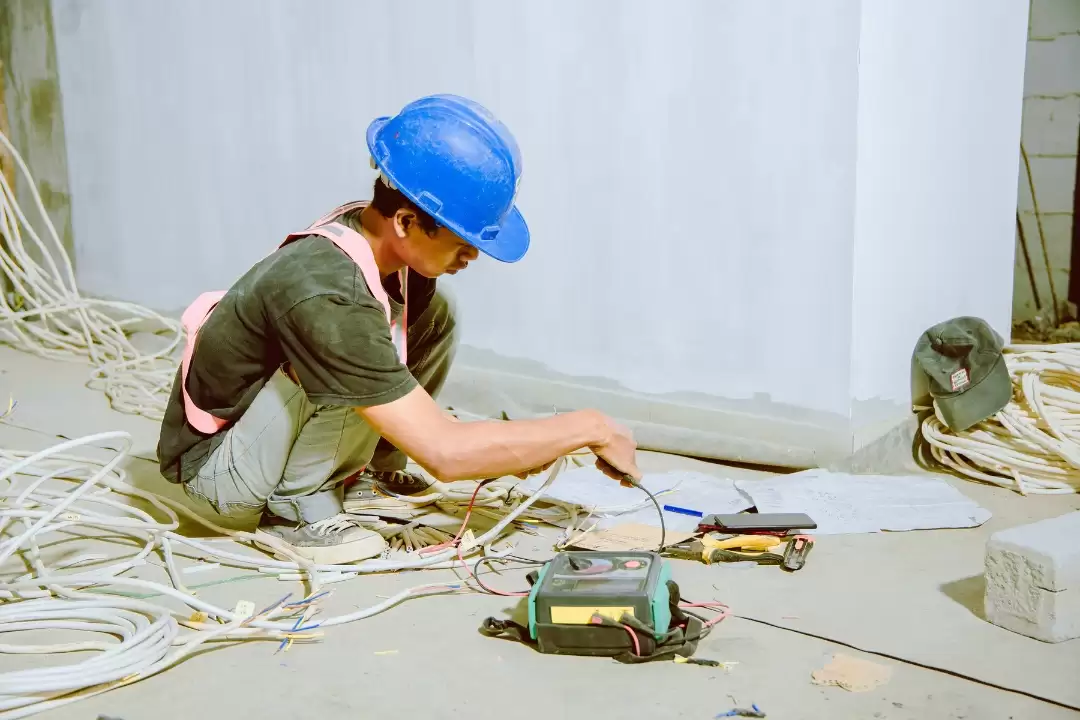
5 Engineering Sounds That Mean the Project Is Almost Ready
For most people, a construction project feels complete when the walls are finished, the furniture arrives, and the building starts looking ready.
For engineers, contractors, and project teams, the final stage feels different.
The building begins to come alive through a series of technical moments.
A breaker switch is activated.
Air starts moving through the ventilation system.
A pump begins operating.
A fire alarm sounds during testing.
A pressure gauge reaches a stable reading.
These sounds may not mean much to visitors, but to the engineering team, they represent something important:
The building systems are moving from installation into operation.
This stage is known as MEP commissioning.
Commissioning is the process of checking, testing, and confirming that building systems operate according to the project requirements before final handover.
It is not simply turning equipment on.
It involves coordination, inspection, testing, adjustments, documentation, and verification.
For an experienced MEP contractor, these moments are some of the most important stages of a project.
They show whether different systems can work together as one complete building.
Here are five engineering sounds that often signal a project is getting closer to completion.
1. The Click of an Electrical Breaker Switch
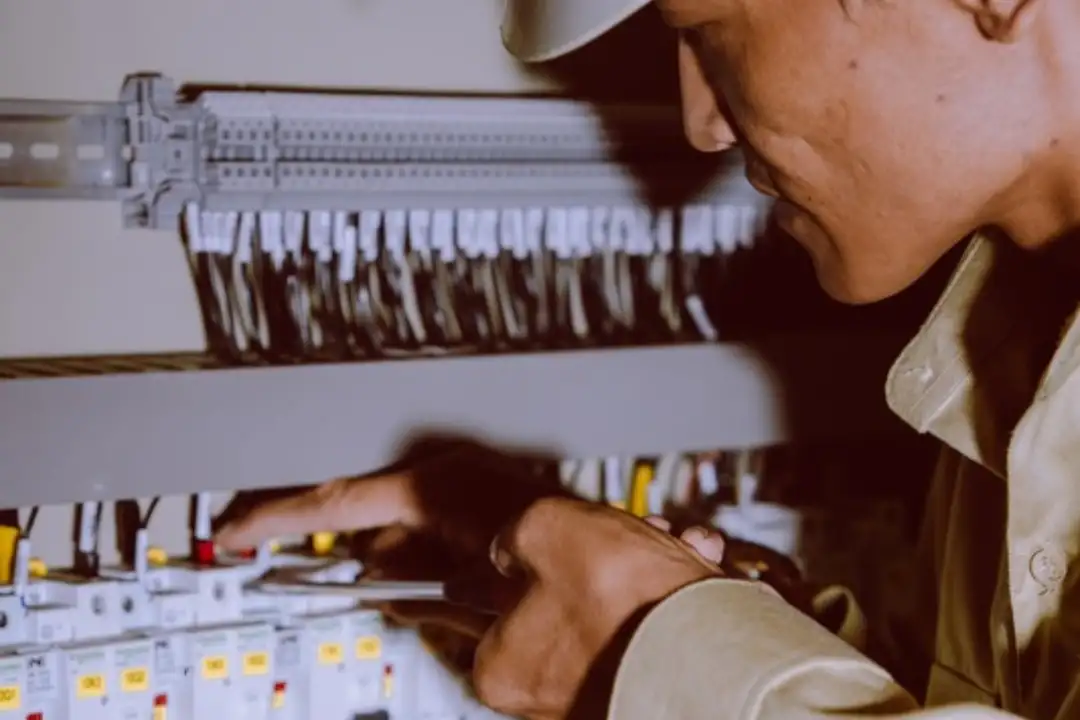
There is a small sound that engineers recognise immediately.
Click.
The moment an electrical breaker is switched on.
It may sound simple, but this moment represents months of planning, installation, and checking.
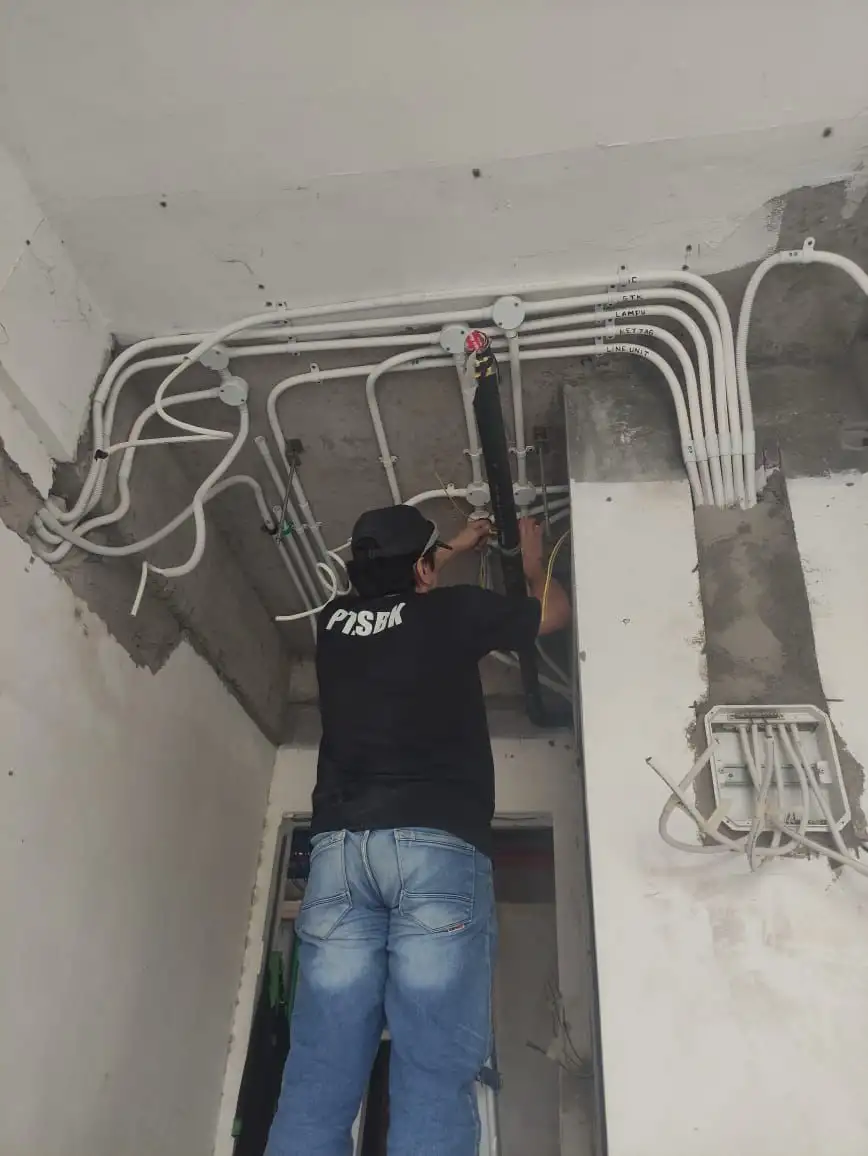
Before electricity reaches building systems, the electrical team needs to confirm that the installation is ready.
This process may involve reviewing:
- Electrical panels
- Cable connections
- Circuit arrangements
- Protection devices
- Equipment connections
- Safety requirements
The electrical panel is one of the central points of a building’s power distribution.
From this location, electricity can be managed and supplied to different areas and equipment.
During testing, the engineering team checks whether the system responds correctly.
They need to confirm that:
- Power reaches the intended circuits
- Protection devices operate properly
- Connections are secure
- Equipment receives suitable supply
A successful breaker activation does not mean the entire project is finished.
It means the electrical system has reached an important milestone where further testing and commissioning can continue.
For the project team, this small click represents progress.
The building is starting to receive its energy source.
2. The First Airflow From the HVAC System
Another important sound comes from above the ceiling.
The movement of air.
The first HVAC start up is one of the moments many engineering teams look forward to.
Before this stage, the HVAC system has gone through multiple preparation steps:
- Equipment installation
- Ducting work
- Electrical connection
- Control setup
- Inspection
- Testing preparation
When the system starts, the team checks whether air is moving as expected.
The focus is not only whether the equipment turns on.
The team also needs to review:
- Airflow performance
- Equipment operation
- Temperature response
- System balance
- Connection between components
HVAC systems are connected to other building systems.
They require electrical power.
They may require drainage connections.
They need enough space for operation and maintenance.
This is why HVAC commissioning requires coordination between different technical disciplines.
A building can have beautiful rooms and finished interiors, but comfort depends on what happens behind the ceiling.
The sound of moving air represents more than equipment operation.
It represents the building beginning to create a usable environment.
3. The Sound of a Pump Starting
A pump starting is another important engineering moment.
A motor begins to operate.
Water begins moving through the system.
Pressure begins building.
This sound often appears during testing of different building services, depending on the project requirements.
Pumps may support systems such as:
- Water distribution
- Plumbing systems
- Fire protection systems
- Other mechanical applications
Before operation, the team needs to confirm that the system has been installed correctly.
Testing may involve checking:
- Connections
- Flow conditions
- Pressure levels
- Equipment operation
- Control response
A pump does not work alone.
It depends on other connected components.
Electrical systems provide power.
Piping systems provide the route.
Controls help manage operation.
This is another example of why integrated building systems matter.
A single piece of equipment can depend on several technical disciplines working together.
When a pump starts successfully, it shows that multiple parts of the system are communicating correctly.
4. The Sound of a Fire Alarm Test
A loud alarm during construction may surprise people.
For engineers, it can be a positive sign.
It means the safety system is being tested.
A fire alarm test is an important part of building system verification.
Fire safety systems must be ready before the building is occupied.
Testing may involve checking:
- Alarm devices
- Control panels
- Signal communication
- System response
- Connected safety components
The purpose is not simply hearing the alarm sound.
The team needs to confirm that the system responds correctly according to the project requirements.
Safety systems require special attention because they are designed for situations where fast response matters.
A fire alarm that has been installed but not tested properly cannot provide confidence.
Testing helps identify issues before handover.
The sound of the alarm during commissioning represents preparation.
It means the safety system is moving closer to operational readiness.
5. The Stable Pressure Reading During Testing
Not every important engineering moment creates a loud sound.
Sometimes, the most satisfying moment is silence.
A pressure gauge remains stable.
A reading does not drop.
A system holds as expected.
This is often one of the important moments during a pressure test.
Pressure testing helps verify whether certain systems perform properly before they are handed over.
For plumbing and mechanical systems, maintaining stable pressure can indicate that the installation has no obvious leakage or pressure-related issues during the testing process.
The team reviews:
- Pressure levels
- Connections
- System behaviour
- Testing results
Finding a problem during this stage is much easier than discovering it after the building is operating.
A hidden leak or unstable system after handover can create:
- Repair costs
- Operational disruption
- Additional maintenance work
A stable pressure reading may look simple.
But for the engineering team, it represents confidence that the system is ready for the next stage.
Behind Every Sound Is a Coordination Process
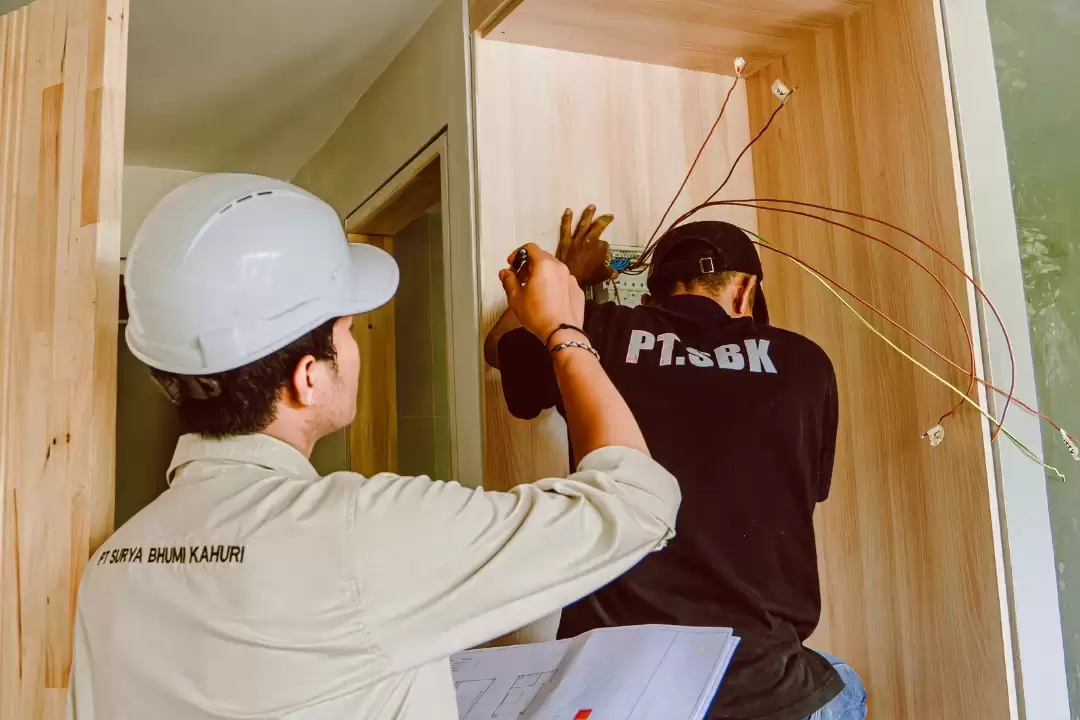
These five moments may appear separate.
A breaker switch.
Airflow.
Pump activation.
Alarm testing.
Pressure stability.
But they all represent the same challenge:
Making different building systems work together.
A modern building depends on many connected systems:
- Electrical systems
- HVAC systems
- Plumbing systems
- Fire safety systems
- Electronic systems
- Communication infrastructure
Each system has its own technical requirements.
However, they share the same building space.
A cable route can affect HVAC installation.
A pipe route can affect electrical work.
A fire alarm system needs communication and power support.
A pump depends on both mechanical and electrical systems.
This is why professional MEP coordination is essential before and during commissioning.
The final testing stage is not where coordination begins.
It is where months of coordination are proven.
MEP Commissioning: The Bridge Before Handover
A building is not ready simply because construction activities are finished.
Before project handover, the team needs confidence that systems operate properly.
Commissioning helps verify:
- Equipment performance
- System connections
- Testing results
- Operational readiness
- Documentation completion
The process may involve:
- Functional testing
- System adjustments
- Inspection records
- Final checks
- Handover documents
The goal is to ensure that the building does not only look complete.
It works as intended.
For owners and operators, commissioning provides important confidence before people begin using the facility.
Why These Moments Matter for Building Owners
Engineering teams may celebrate different things compared with building users.
A guest may celebrate entering a comfortable hotel room.
An employee may appreciate a functional office.
A patient may depend on a reliable healthcare facility.
But behind those experiences are countless technical checks.
Every successful building depends on systems that have been:
- Planned properly
- Installed correctly
- Coordinated carefully
- Tested thoroughly
- Documented clearly
- Maintained consistently
The final sounds of commissioning are proof that invisible systems are becoming operational.
SBK Approach: From Installation to System Readiness
PT. Surya Bhumi Kahuri provides integrated Building and MEP services across:
- Mechanical Systems
- Electrical Systems
- Plumbing Systems
- HVAC
- Fire Fighting Systems
- Electronic and Security Systems
- Lead Shielding
- Modular Operating Theatre
- Elevator Installation
- Maintenance
Through the principle of One Team for All Building Systems, SBK supports projects through coordinated planning, installation, testing, documentation, and maintenance.
For hospitals, hotels, government facilities, commercial buildings, and other properties, the final goal is not simply completing individual installations.
It is creating a building where every system works together.
Because the most satisfying engineering sounds are not just signs that equipment has started.
They are signs that the building is ready to serve the people who will use it.