5 Moments That Make Every Site Engineer Feel Satisfied
Site engineering is not always dramatic.
Most days are filled with drawing reviews, technical discussions, material checks, site inspections, revision notes, installation supervision, and coordination with multiple contractors.
Progress is often measured through small details.
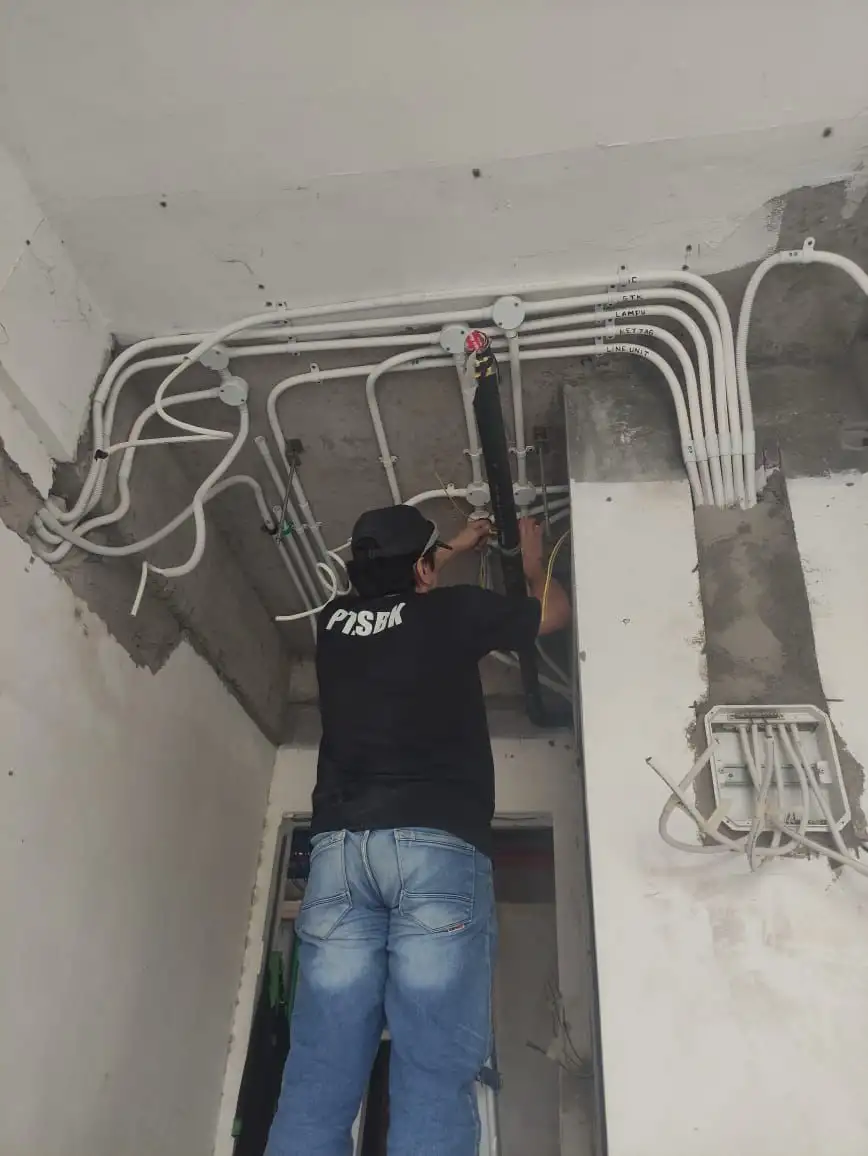
One cable route completed correctly.
One pipe installed with proper support.
One panel labelled clearly.
One test result recorded without any issue.
These moments may look ordinary to people outside the construction industry. For engineers, they can represent days or even weeks of planning, coordination, correction, and teamwork.
This is part of engineering life.
The final building may receive most of the attention, but site engineers remember the individual moments that confirm the work is moving in the right direction.
Here are five moments that make almost every engineer on site feel genuinely satisfied.
1. The First Time a System Starts Successfully

The first system start-up is always a significant moment.
Before that moment, the system exists mainly through drawings, cables, pipes, panels, equipment, connections, and technical discussions.
The team has reviewed specifications.
Materials have been delivered.
Installations have been inspected.
Connections have been checked.
The equipment is ready.
Then someone gives the instruction to start.
For a few seconds, everyone pays closer attention.
Will the panel respond correctly?
Will the pump begin operating?
Will the HVAC equipment start?
Will the control system communicate?
Will the alarm panel receive the expected signal?
When the system starts as intended, the reaction is often quiet. Engineers may simply look at the equipment, check the readings, and continue with the next task.
Internally, however, the feeling is different.
That first successful start-up proves that multiple stages of work have connected correctly.
It reflects:
- Accurate planning
- Correct material selection
- Proper installation
- Clear wiring or piping connections
- Good supervision
- Coordination between different teams
- Careful pre-start checks
For an MEP project team, this moment is rarely the result of one person’s work.
An HVAC unit may depend on electrical power, control wiring, drainage, mechanical installation, and equipment support. A pump may require electrical connections, plumbing lines, valves, controls, and proper system preparation.
When the equipment begins operating, the result belongs to the entire team.
Of course, starting successfully is only the beginning.
The system still needs to be observed, adjusted, tested, and documented. However, that first response from the equipment remains one of the most satisfying moments on a project site.
2. Seeing Stable Pressure During Testing
Pressure testing can create a different kind of tension.
The system may look complete. Pipes may be neatly installed. Supports may be in place. Connections may appear secure.
However, the real condition becomes clearer when the system is placed under pressure.
Engineers monitor the readings carefully.
Will the pressure remain stable?
Is there a hidden leak?
Does one connection need to be tightened?
Will the system need to be drained and tested again?
A stable pressure reading is satisfying because it confirms that the visible installation also performs correctly.
For plumbing and fire-protection systems, pressure tests can help identify issues before walls, ceilings, or finishing work make access more difficult.
A successful result may indicate that:
- Pipe connections are secure
- Installed components are functioning correctly
- The system has been prepared carefully
- Inspection stages were completed properly
- Corrections were addressed before testing
When the reading remains stable, the team can record the result and continue with greater confidence.
This is where the simple phrase test passed carries real meaning.
It is not only a box being checked.
It confirms that the system has moved from physical installation toward operational readiness.
For a site engineer Indonesia project environment, this process can involve coordination between technicians, supervisors, consultants, main contractors, and client representatives.
Everyone may be focused on the same gauge, but each person understands the wider impact of the result.
A failed test can delay the next stage.
A passed test allows the project to move forward.
That is why a stable pressure reading can create a sense of relief that only people on site fully understand.
3. Opening a Panel and Seeing Clean Installation
A well-prepared electrical panel can be deeply satisfying to an engineer.
From the outside, the panel may look like a simple metal enclosure.
Inside, however, the quality of the installation becomes visible.
Cables are routed neatly.
Connections are organised.
Labels are clear.
Components are positioned properly.
There is enough space for inspection and future maintenance.
Nothing looks rushed or difficult to trace.
A clean installation is not only about appearance.
It reflects discipline.
Good panel organisation can help:
- Make inspections easier
- Reduce confusion during troubleshooting
- Improve maintenance access
- Identify circuits more clearly
- Support safer technical work
- Improve handover quality
Poorly organised panels may still function at the beginning, but they can create problems later.
When cables are difficult to identify or connections are not labelled clearly, maintenance teams may need more time to understand the system. Troubleshooting becomes slower, and the risk of mistakes can increase.
A clean panel shows that the team considered not only project completion, but also the people who will operate and maintain the building afterward.
For an engineering contractor, this detail matters.
Professional work should remain understandable after the installation team leaves.
The same principle applies beyond electrical panels.
Clean pipe routes, properly supported ducting, organised cable trays, accessible equipment, and clear system labels all demonstrate care in execution.
The best technical work is not only functional.
It is also organised, inspectable, and prepared for long-term use.
4. Completing the Final Checklist

Project checklists can become long.
Each item represents something that must be inspected, corrected, tested, confirmed, or documented.
During the project, the list may include:
- Incomplete installations
- Missing labels
- Equipment adjustments
- Material replacements
- Drawing updates
- Test results
- Access corrections
- Documentation requirements
- Consultant comments
- Client requests
At the beginning, the checklist may feel manageable.
As the project moves toward completion, new items can appear from inspections, testing, consultant reviews, or operational feedback.
This is why completing the final checklist feels significant.
Each completed item shows that the team has moved closer to a proper handover.
A checklist is more than an administrative form. It helps bring structure to the final stage of the project.
It allows the team to confirm:
- What has been completed
- What still requires attention
- Who is responsible
- Which item has been tested
- Which document has been submitted
- Whether the work is ready for approval
The satisfaction comes when the final outstanding item is corrected and marked complete.
For the MEP project team, this moment represents more than finishing a task.
It reflects patience.
Some issues may have required several site visits. Others may have depended on supplier support, client approval, drawing revisions, or coordination with another contractor.
Completing the checklist confirms that the team did not leave important issues unresolved simply because the project was nearing its deadline.
Good construction teamwork is often most visible at this stage.
Electrical, plumbing, HVAC, fire fighting, electronic, architectural, and construction teams may all need to support the final completion process.
The checklist only reaches zero when everyone understands the same objective.
5. Reaching the Handover Moment
Handover is one of the most meaningful moments in a construction project.
It marks the transition from project execution to building operation.
The systems have been installed.
Inspections have been completed.
Testing has been recorded.
Outstanding items have been addressed.
Documents have been prepared.
The client or operational team is ready to take responsibility for the building.
For engineers, handover brings together months of work into one final stage.
However, a proper handover is not simply passing a folder to the client.
It may include:
- As-built drawings
- Testing records
- Commissioning reports
- Equipment information
- Inspection documentation
- Maintenance guidance
- Warranty documents
- System explanations
- Operational recommendations
The objective is to help the building team understand what has been installed and how the systems should be managed.
A project may look finished physically, but incomplete documents can make future maintenance more difficult.
That is why professional project completion includes both technical execution and clear documentation.
The handover moment is satisfying because the team can finally see the full result.
A system that once existed only as a drawing is now operating inside a real building.
The cables, pipes, equipment, panels, controls, alarms, and supporting infrastructure have become part of daily operations.
For the site engineer, the building may also carry memories that other people will never notice.
The location where an installation conflict was solved.
The ceiling area that required several revisions.
The test that needed to be repeated.
The late material delivery that changed the work sequence.
The final correction completed before inspection.
Handover turns those individual challenges into one finished project.
Satisfaction Comes From Work That Functions
Site engineers do not always need public recognition to feel proud of their work.
Sometimes, satisfaction comes from a stable reading.
A clean panel.
A system responding correctly.
A completed checklist.
A client receiving clear handover documents.
These moments matter because they show that the work is not only finished—it functions as intended.
PT. Surya Bhumi Kahuri understands the process behind these results.
As a Building and MEP Contractor, SBK works across:
- Building Construction
- Mechanical Systems
- Electrical Systems
- Plumbing Systems
- HVAC
- Fire Fighting
- Electronic and Security Systems
- Lead Shielding
- Modular Operating Theatre
- Elevator Installation
- Maintenance
Through the principle of One Team for All Building Systems, SBK brings multiple technical disciplines into one coordinated project structure.
This integrated approach supports the full process from planning and installation to inspections, testing, reporting, handover, and maintenance.
SBK’s experience includes healthcare, government, hospitality, commercial, and other building projects, with readiness to support projects both within and outside Bali.
Behind every successful system start-up is a team that planned carefully.
Behind every stable test is an installation that was checked properly.
Behind every clean panel is a technician who refused to take shortcuts.
Behind every completed checklist is a group of people solving problems together.
And behind every professional handover is an engineering contractor that understands one important principle:
The most satisfying project is not simply the one that looks finished.
It is the one that works.