5 Plumbing Systems Your Building Cannot Ignore
When people think about plumbing, many imagine only pipes carrying water.
However, a professional plumbing system is much more than installing pipes behind walls or under floors.
A building depends on plumbing systems every day.
Clean water needs to reach the right areas.
Used water needs to leave the building safely.
Wastewater needs proper management.
Drainage needs to prevent flooding.
Water heating systems need to operate efficiently.
Maintenance teams need access to important components when problems occur.
Behind every functioning bathroom, kitchen, service area, and facility is a carefully planned building plumbing system.
This is why choosing the right plumbing contractor Indonesia is not only about connecting pipes.
Professional plumbing installation requires planning, coordination, testing, documentation, and consideration for future maintenance.
For commercial buildings such as hotels, hospitals, offices, government facilities, retail properties, and residential developments, plumbing performance directly affects daily operations.
Here are five essential plumbing systems that every building needs to understand.
1. Clean Water System: Delivering Safe Water Throughout the Building
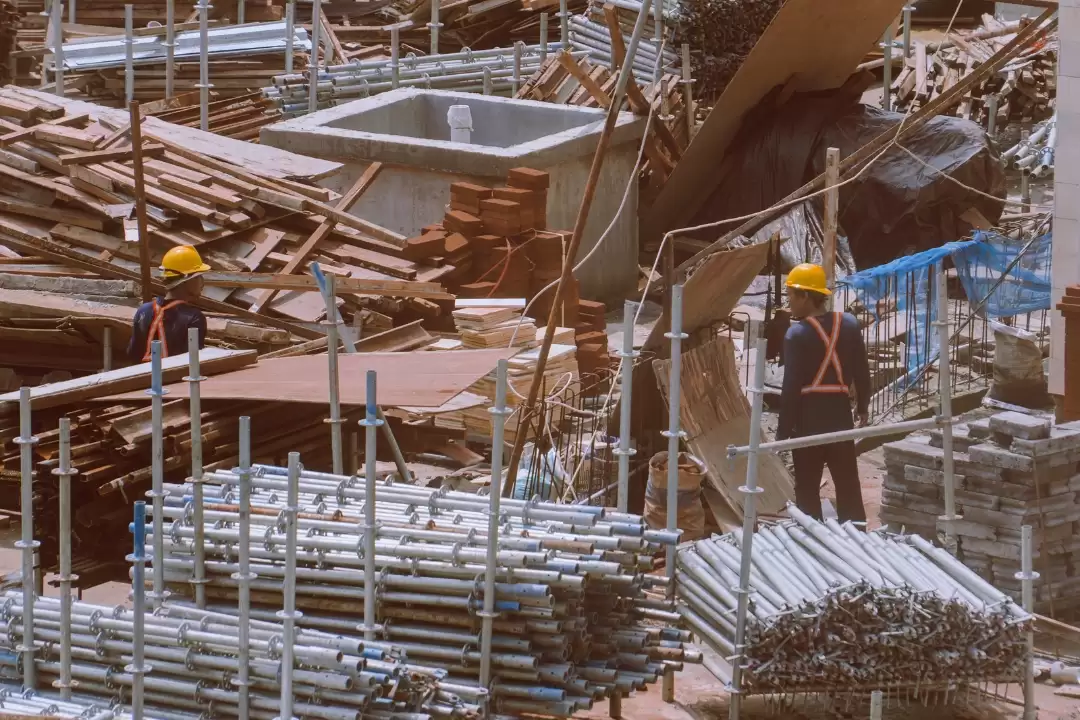
The clean water system is one of the most important parts of any building.
Its purpose is simple:
Deliver clean water where it is needed.
However, achieving reliable water distribution requires more than connecting a supply pipe.
A professional clean water system needs careful planning based on:
- Building function
- Number of users
- Water demand
- Equipment requirements
- Distribution routes
- Pressure requirements
- Maintenance access
Different areas of a building may have different water needs.
A hotel requires water for guest rooms, restaurants, kitchens, and service areas.
A hospital requires water support for different operational spaces.
An office building requires reliable supply for employees and facility operations.
A residential project requires practical distribution for daily living.
The plumbing team needs to understand how the building will operate before designing the system.
Important considerations may include:
- Pipe sizing
- Water storage
- Pump requirements
- Valve locations
- Access points
- Future inspection needs
A good clean water system should provide consistent performance while remaining accessible for future maintenance.
A pipe hidden behind a wall may not be visible after completion, but its planning affects the building’s long-term operation.
2. Used Water System: Managing Water After Use
Water does not disappear after people use it.
A building needs a proper system to collect and manage used water.
Used water may come from:
- Bathrooms
- Sinks
- Kitchens
- Service areas
- Equipment connections
A professional plumbing design needs to consider where this water goes and how it moves through the building.
The system must be planned to support:
- Proper flow
- Correct connection points
- Easy inspection
- Reduced risk of blockage
- Long-term operation
The challenge is that used-water systems often operate quietly in the background.
Problems may only become visible when something goes wrong.
Examples include:
- Slow drainage
- Unpleasant smells
- Water backup
- Leakage
- Operational disruption
These problems can affect building users and create additional maintenance work.
This is why installation quality matters.
A professional commercial plumbing installation process considers not only where pipes are placed, but also how the system will perform after the building is occupied.
3. Dirty Water System: Proper Wastewater Management
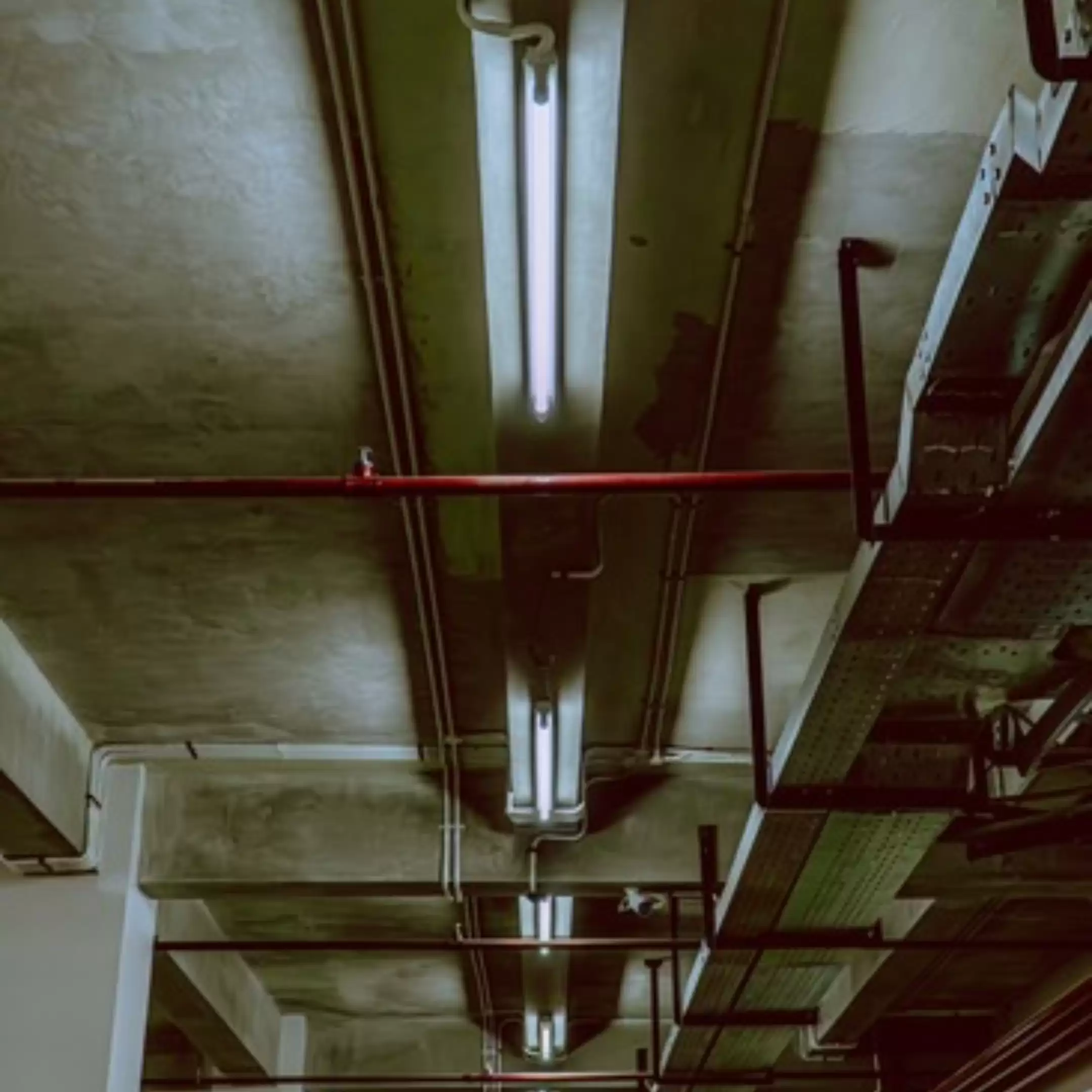
The dirty water system is another important part of a building’s plumbing infrastructure.
Unlike clean water, dirty water requires careful handling because it carries wastewater that must be managed properly before leaving the building.
A dirty water system may involve wastewater from areas such as:
- Toilets
- Bathrooms
- Kitchens
- Certain operational areas
The system needs proper planning to ensure wastewater moves correctly through the building.
Important factors include:
- Pipe routes
- Connection points
- Venting
- Access for maintenance
- Coordination with drainage systems
Poorly planned wastewater systems can create problems that are difficult and expensive to correct after construction is completed.
For example, a hidden pipe issue may require opening finished areas to locate the problem.
This is why inspection before closing walls, floors, or ceilings is important.
The plumbing team should confirm that installations follow the approved design and that potential issues are identified early.
A reliable dirty water system supports cleaner, safer, and more comfortable building operations.
4. Venting and Drainage System: Supporting Proper Flow
Many people focus only on visible water pipes.
However, venting and drainage systems play an equally important role.
A drainage system is responsible for moving wastewater and preventing unwanted water accumulation.
A properly designed drainage system helps protect the building from:
- Water buildup
- Flooding risks
- Unpleasant conditions
- Operational problems
Drainage planning needs to consider:
- Pipe routes
- Slope requirements
- Connection points
- Inspection access
- Building layout
Venting is also an important part of plumbing performance.
A plumbing system needs proper air movement to support flow and reduce problems such as pressure imbalance, slow drainage, or unwanted odours.
The system may not be visible to building occupants, but poor planning can create noticeable problems later.
This is why plumbing design should consider the complete system, not only the visible fixtures.
A professional contractor looks at how water enters, moves through, and exits the building.
5. Water Heater System: Supporting Comfort and Operations
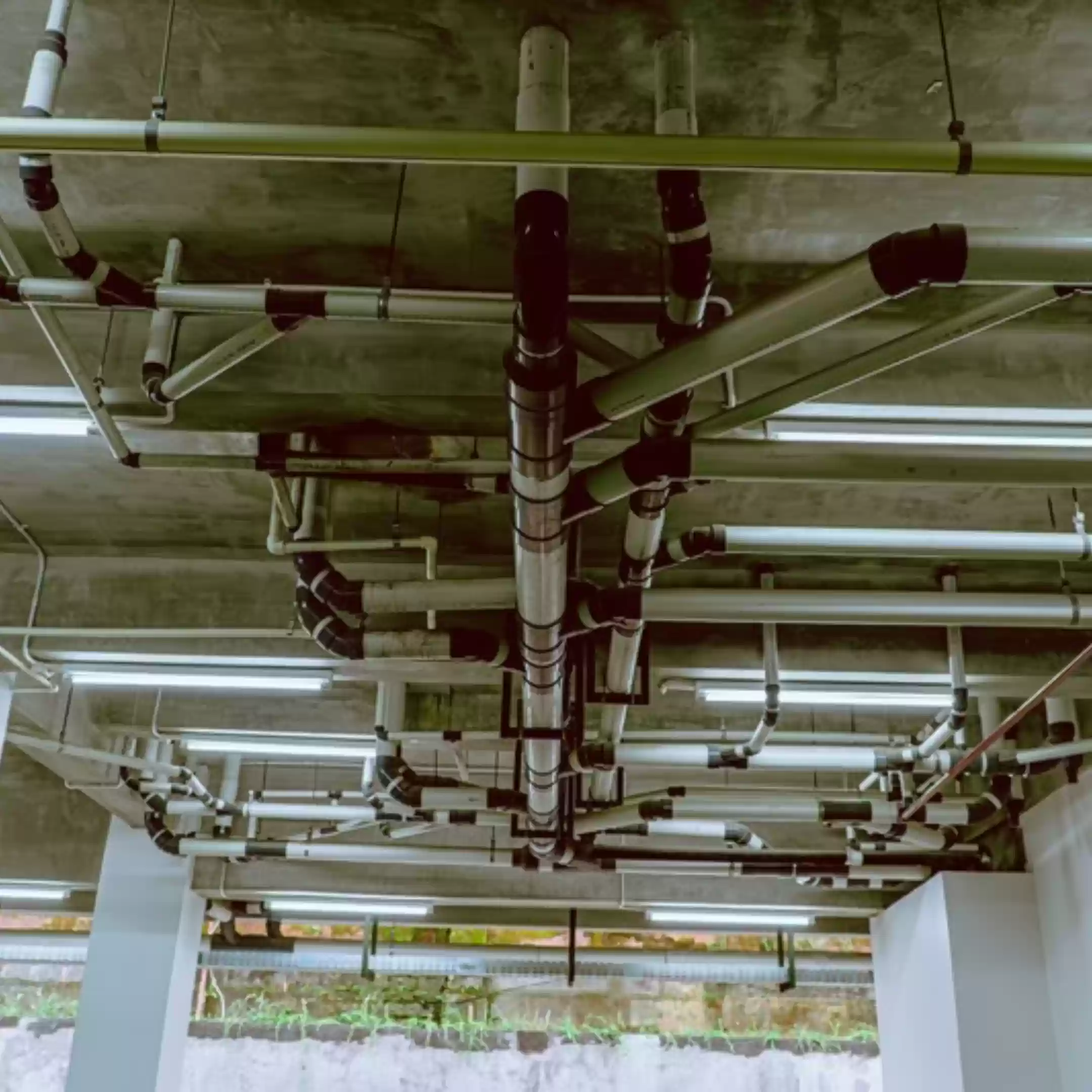
Many buildings require hot water for daily activities.
Hotels need hot water for guest rooms.
Restaurants require it for kitchen operations.
Residential buildings use it for daily comfort.
Healthcare facilities may have specific operational requirements depending on the building design.
A water heater system needs proper planning to ensure reliable performance.
The technical team needs to consider:
- Equipment selection
- Installation location
- Water connections
- Electrical or energy requirements
- Safety considerations
- Maintenance access
The water heater itself is only one part of the complete system.
It needs to connect properly with the plumbing network and operate safely.
Poor planning can create issues such as:
- Difficult maintenance access
- Inefficient operation
- Equipment replacement challenges
- Inconsistent hot-water supply
Like other building systems, water heating should be considered from both installation and operational perspectives.
A good system supports daily needs while remaining practical for future servicing.
Pressure Testing: Proving the Plumbing System Works
Installing pipes does not automatically mean the plumbing system is complete.
Before handover, testing is an important stage.
A pressure test helps confirm whether the system can perform according to the project requirements.
Testing can help identify issues such as:
- Leaks
- Weak connections
- Installation problems
- Pressure-related concerns
Finding these issues during construction is much easier than discovering them after the building is occupied.
Imagine finding a hidden leak after ceilings and walls are already finished.
The repair process can become more complicated because:
- Access is limited
- Finishing materials may need removal
- Other systems may be affected
- Operations may be interrupted
This is why professional plumbing installation includes inspection and testing before the system is handed over.
A reliable plumbing contractor Indonesia understands that quality is proven through performance, not only appearance.
Maintenance Access: Planning Beyond Construction
A plumbing system needs to work after the project is completed.
This means future maintenance must be considered during installation.
Important components should remain accessible for:
- Inspection
- Repair
- Replacement
- Adjustment
A system that works today but cannot be maintained efficiently can create problems later.
Maintenance access should consider:
- Valve locations
- Equipment access
- Inspection points
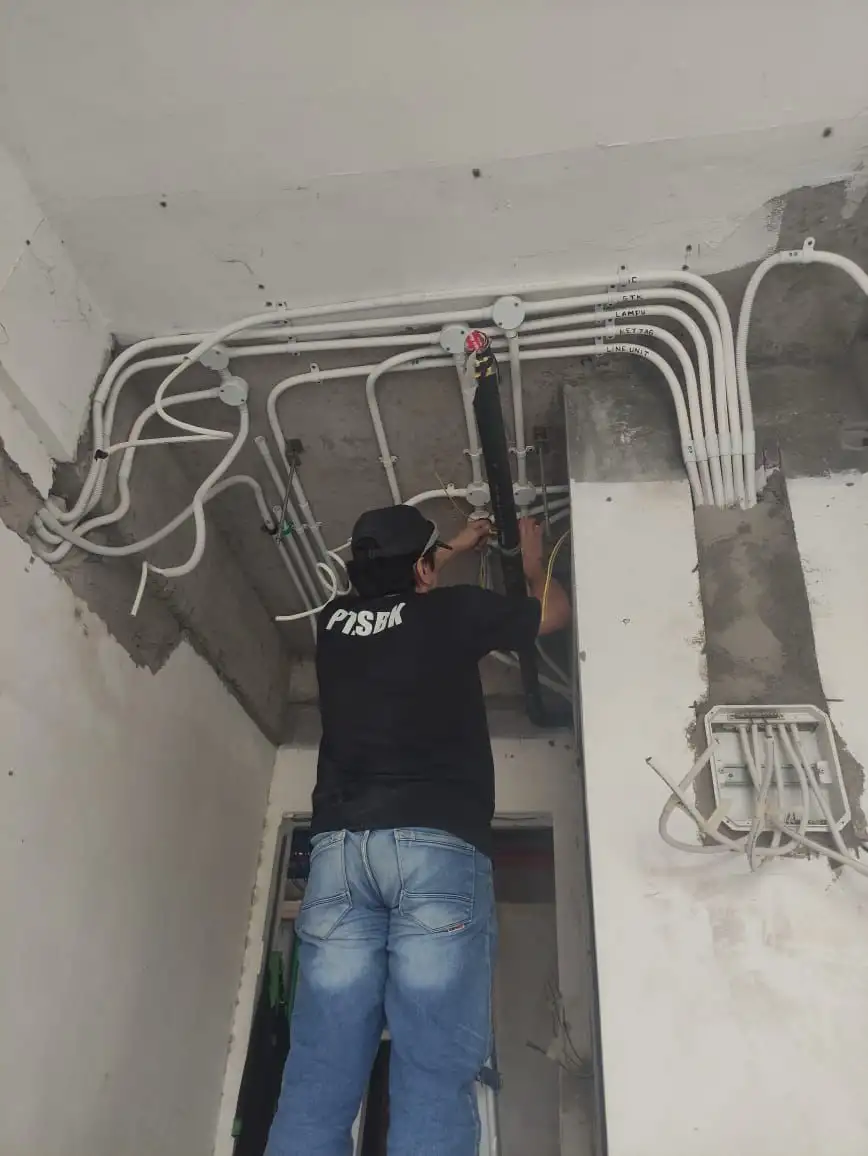
- Pipe identification
- Service areas
This is especially important for commercial buildings where downtime can affect daily operations.
A hotel, hospital, office, or retail property cannot ignore plumbing problems for long.
Preventive plumbing maintenance helps identify issues before they become major disruptions.
Regular inspection can help protect:
- System performance
- Building comfort
- Operational continuity
- Long-term investment
Plumbing Must Work Together With Other Building Systems
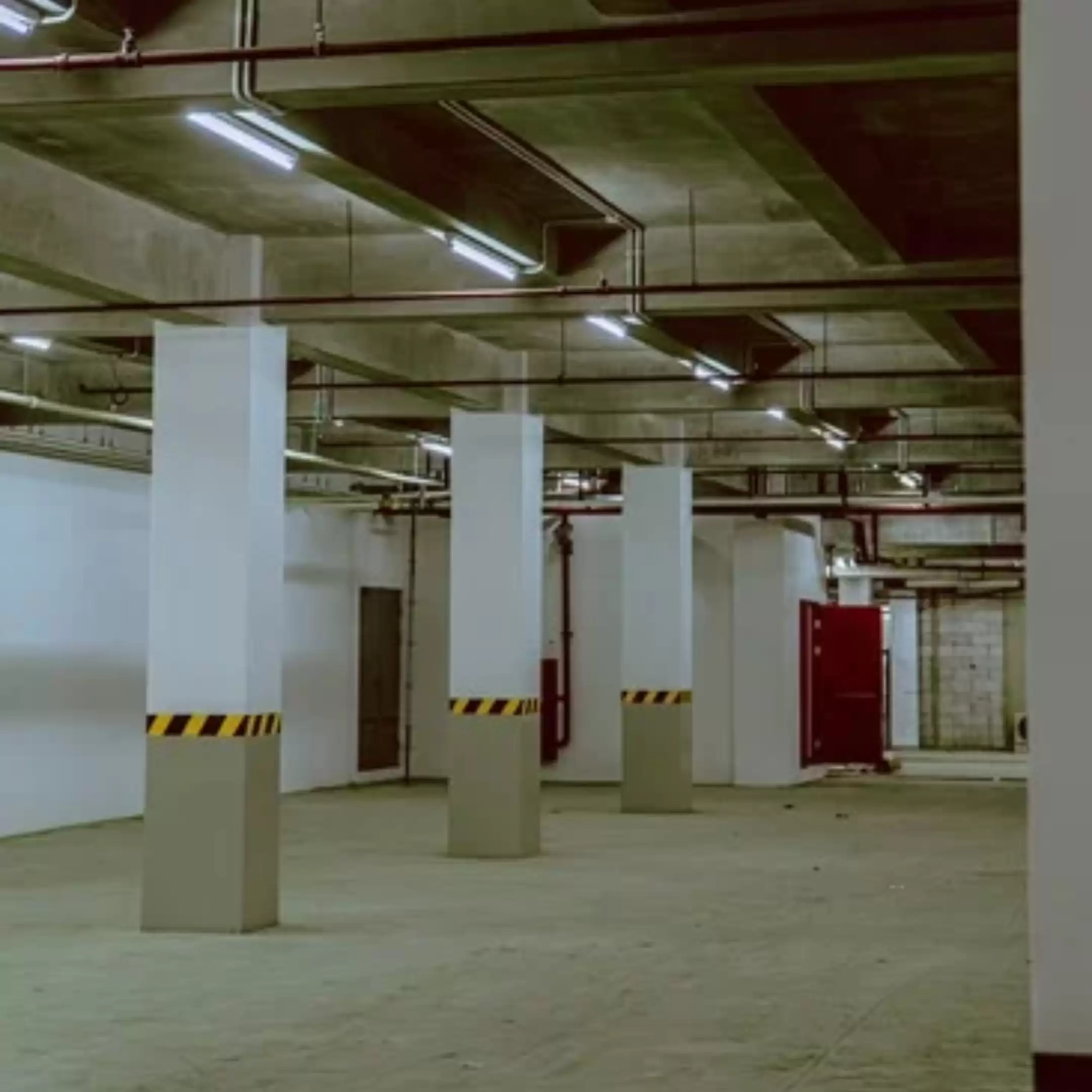
Modern buildings are not made of isolated systems.
Plumbing interacts with many other building services.
Pipes may share spaces with:
- Electrical systems
- HVAC installations
- Fire protection systems
- Structural elements
- Ceiling systems
This is why coordination is important.
A plumbing route that is not coordinated may conflict with another installation.
An equipment location without maintenance access may create future difficulties.
A drainage connection without proper planning may affect building operation.
Professional MEP coordination helps different technical teams understand how their systems connect.
The goal is not only completing individual installations.
The goal is creating a building where every system works together.
SBK Approach: Plumbing as Part of an Integrated Building System
PT. Surya Bhumi Kahuri provides Plumbing Systems as part of its wider Building and MEP capabilities.
SBK’s plumbing services include:
- Clean water systems
- Dirty water systems
- Drainage systems
- Water heater systems
- Plumbing installation
- Supporting plumbing equipment
- Maintenance support
These services are coordinated with other building systems, including Mechanical, Electrical, HVAC, Fire Fighting, Electronic and Security Systems, Elevator Installation, Lead Shielding, Modular Operating Theatre, and General Construction.
Through the principle of One Team for All Building Systems, SBK helps clients manage connected technical requirements through one coordinated project structure.
For developers, hospitals, hotels, government institutions, consultants, and commercial property owners, the value of professional plumbing is not only about moving water.
It is about creating a system that supports safe operation, easier maintenance, and long-term building performance.
More Than Pipes: Building Reliable Water Systems
A plumbing system is often hidden.
People notice it only when something goes wrong.
But behind every functioning building is careful planning, correct installation, proper testing, and ongoing maintenance.
From clean water distribution and wastewater management to drainage, venting, water heating, and maintenance access, every part plays an important role.
Because professional plumbing is not simply about installing pipes.
It is about designing a system that keeps the building working every day.