5 Questions Clients Always Ask Before an MEP Project Starts
Before an MEP project starts, clients usually have a list of questions.
How much will it cost?
How long will the project take?
What exactly is included?
Do you need to visit the site first?
What happens after installation?
These are not complicated questions.
But the answers can become complicated because every building has different requirements.
A hotel is different from a hospital.
A government building is different from a commercial property.
A new construction project is different from a renovation.
And an MEP project involving electrical, plumbing, HVAC, fire protection, and other systems needs careful coordination before work begins.
This is why MEP project consultation is an important first step.
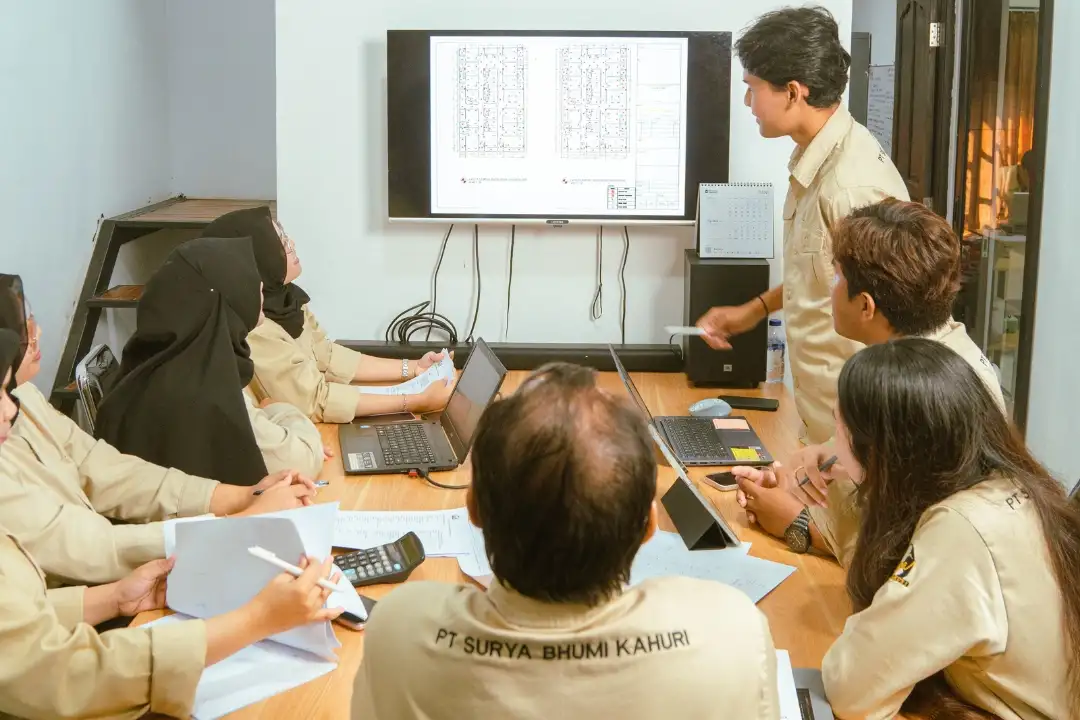
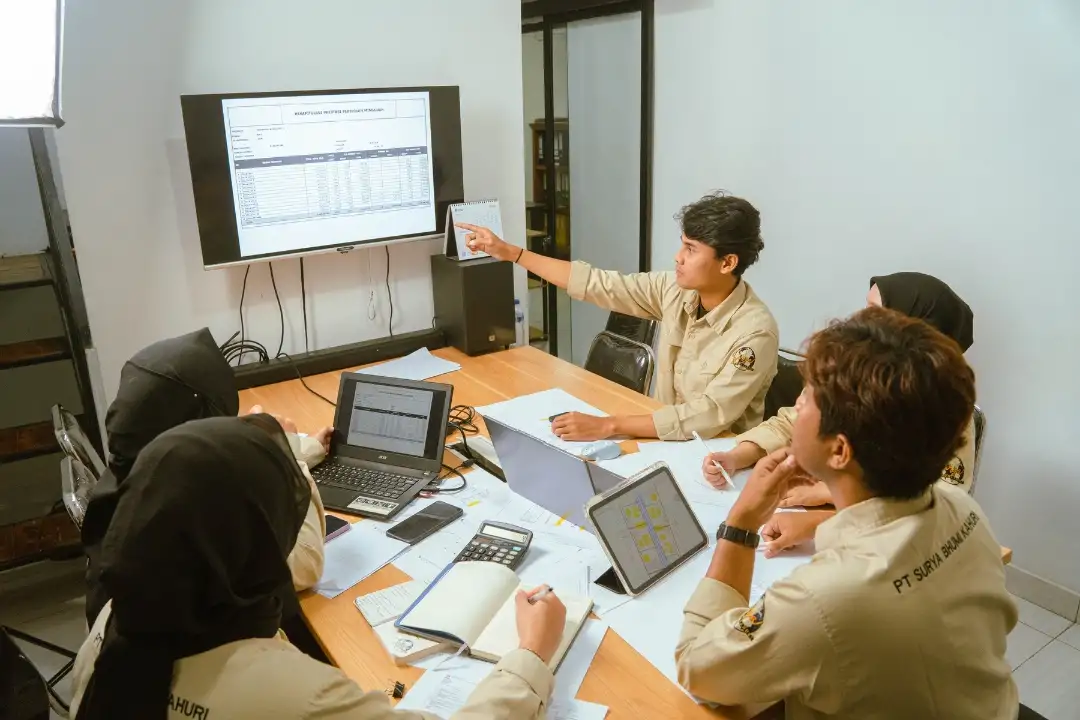
Before preparing a project quotation, an experienced MEP contractor needs to understand the building, project scope, technical requirements, site conditions, materials, installation sequence, testing requirements, and future maintenance needs.
Here are five questions clients commonly ask before an MEP project starts.
1. How Much Does an MEP Project Cost?
This is usually the first question.
And understandably so.
But there is no single MEP installation cost that applies to every building.
The cost depends on what the project actually requires.
Several factors can influence the final quotation, including:
-
Building size
-
Project type
-
Number of systems involved
-
Equipment requirements
-
Installation complexity
-
Material specifications
-
Site conditions
-
Project location
-
Testing requirements
-
Documentation requirements
-
Maintenance requirements
For example, an electrical installation for a small commercial building will have different requirements from the electrical system of a hospital.
Likewise, a hotel HVAC system may have different requirements from an office building.
The same applies to plumbing, fire fighting, electronic systems, and other MEP services.
This is why a professional contractor should not provide a project price based only on the building name or floor area.
The team needs to understand the actual scope first.
A proper project quotation should be connected to the work that needs to be delivered.
That means the conversation should start with:
What does the building need?
Not simply:
How cheap can the project be?
2. How Long Will the Project Take?
The next common question is:
"How long will the MEP project take?"
Again, the answer depends on the project.
Project duration can be influenced by:
-
Project size
-
Number of MEP systems
-
Design readiness
-
Material availability
-
Site conditions
-
Construction sequence
-
Coordination with other contractors
-
Inspection and testing
-
Approval processes
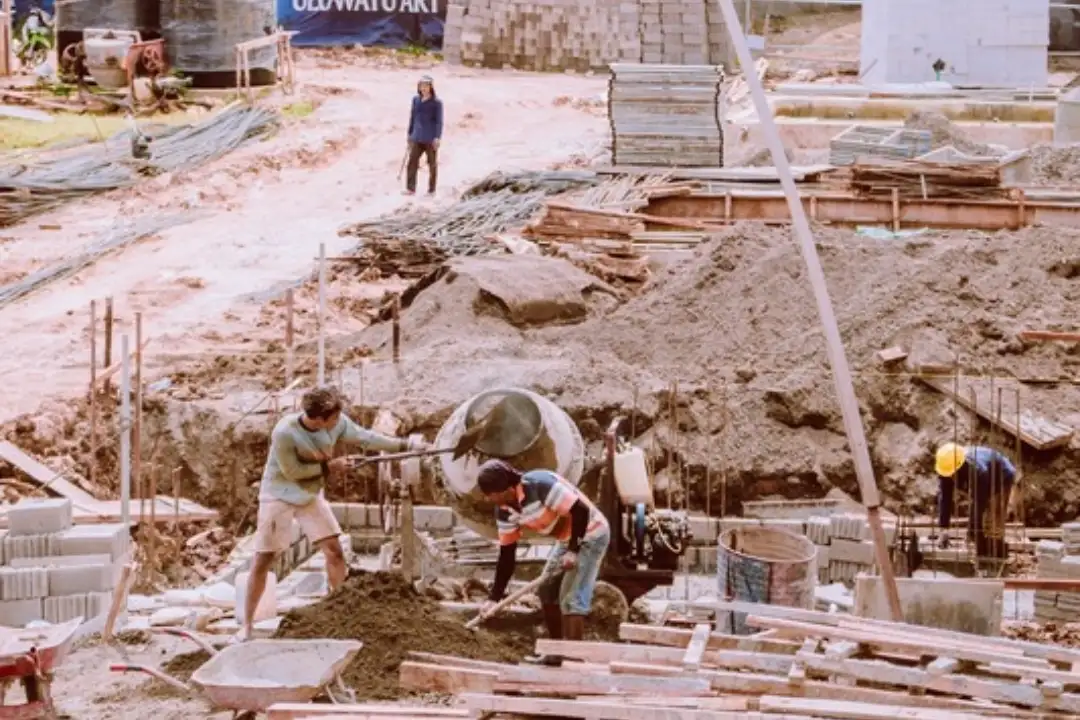
MEP work is also connected to other construction activities.
For example, electrical installation may depend on building progress.
HVAC ducting may need to be coordinated with ceilings and structural elements.
Plumbing routes may need to be coordinated with walls, floors, and other services.
Fire protection systems may need to follow the overall building layout.
This means MEP installation cannot always be viewed as an independent timeline.
A delay in one part of the building can sometimes affect another technical activity.
This is why planning matters from the beginning.
An experienced MEP contractor should review the construction sequence and identify important dependencies before installation starts.
The objective is not to promise an unrealistic completion date.
It is to establish a project timeline based on the actual scope, site conditions, and required coordination.
3. What Exactly Is Included in the Contractor's Scope?
This question is extremely important.
The phrase "MEP project" can mean different things to different people.
One client may need only electrical installation.
Another may require:
-
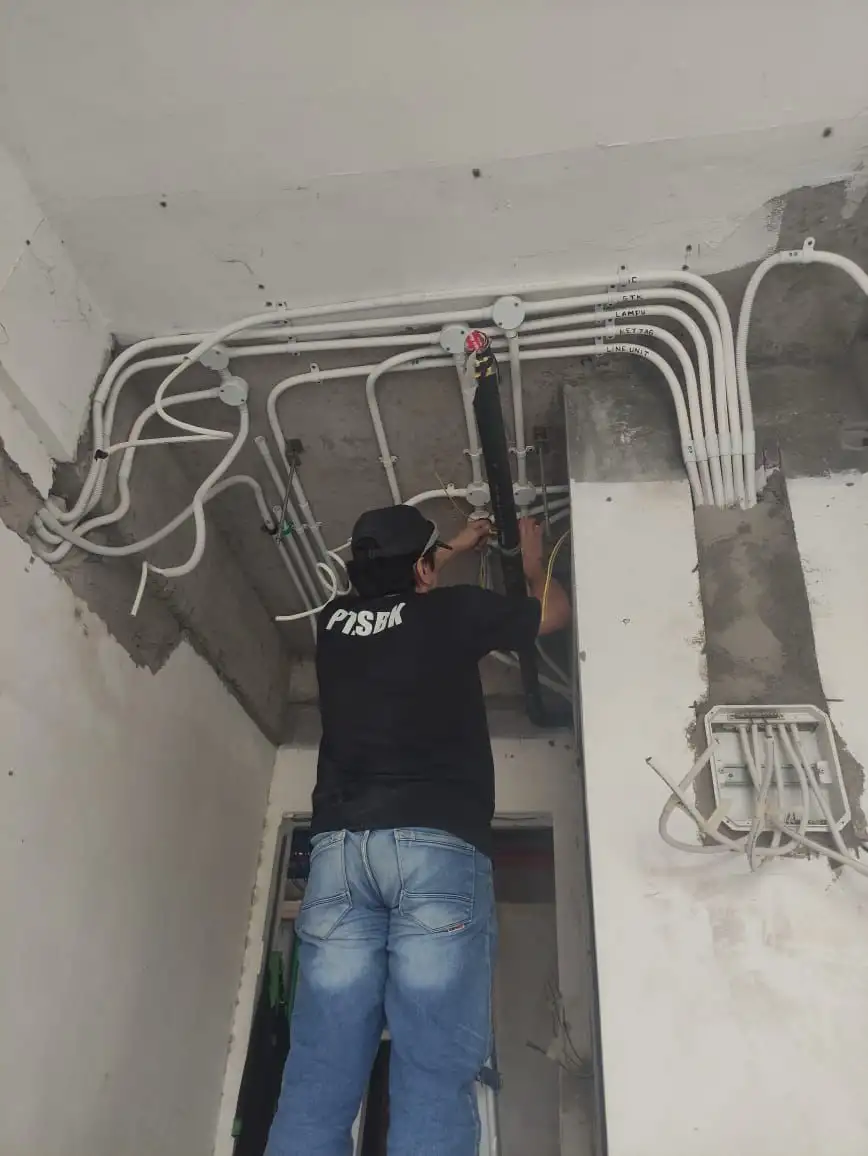
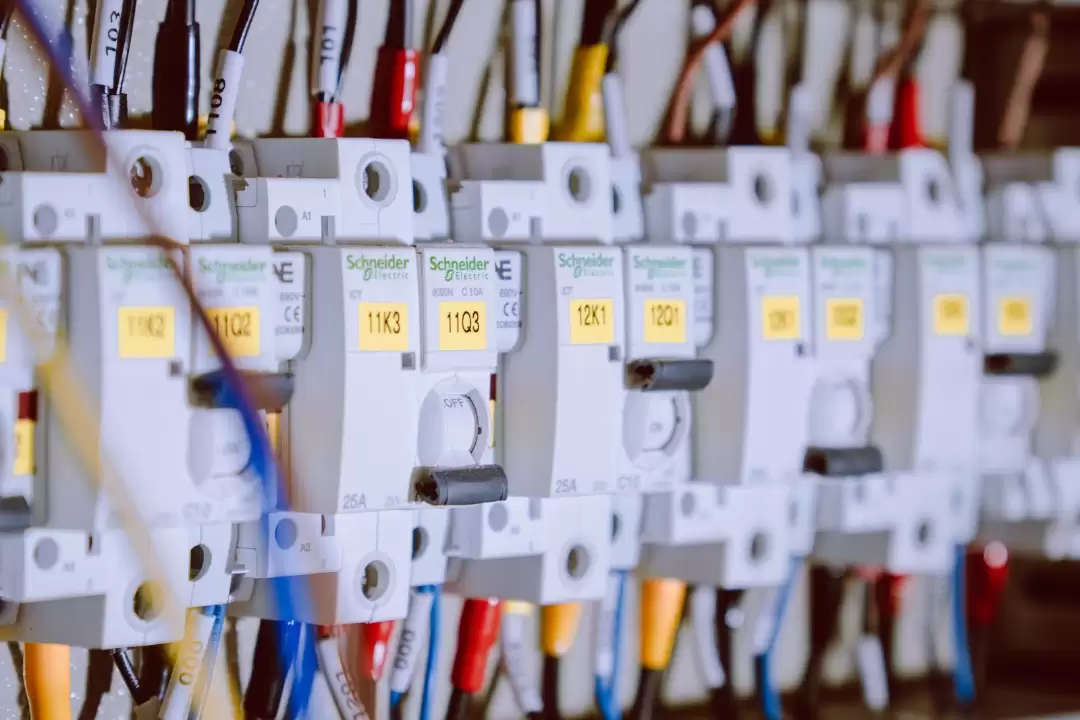
Electrical Systems
-
Plumbing Systems
-
HVAC
-
Fire Fighting Systems
-
Electronic and Security Systems
-
Mechanical Systems
A more complex healthcare project may also require specialist services such as:
-
Lead Shielding
-
Modular Operating Theatre
Some projects may also involve elevator installation or maintenance support.
This is why contractor scope needs to be clearly defined before work begins.
A clear scope helps everyone understand:
What will be installed?
What materials are included?
What equipment is included?
What testing is required?
What documentation will be delivered?
What work remains the responsibility of another party?
This is particularly important when multiple contractors are working on the same building.
Without clear scope boundaries, misunderstandings can happen.
For example, two contractors may assume the other party is responsible for the same connection.
Or an important installation may not be included in either scope.
Clear scope definition helps reduce these situations.
At PT. Surya Bhumi Kahuri, the wider Building and MEP capability allows relevant building systems to be considered within a more integrated project approach.
The principle is:
One Team for All Building Systems.
4. Do You Need a Site Survey Before Giving a Quotation?
In many projects, understanding the site is essential.
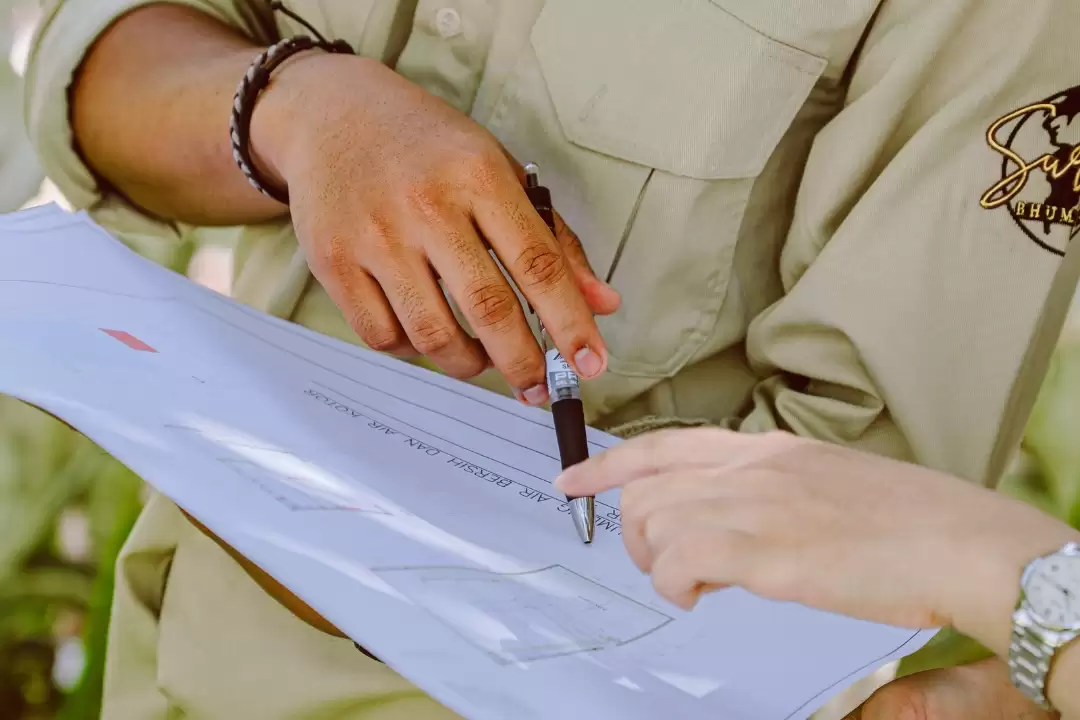
A drawing can explain a lot.
But the physical site can reveal conditions that are difficult to understand from drawings alone.
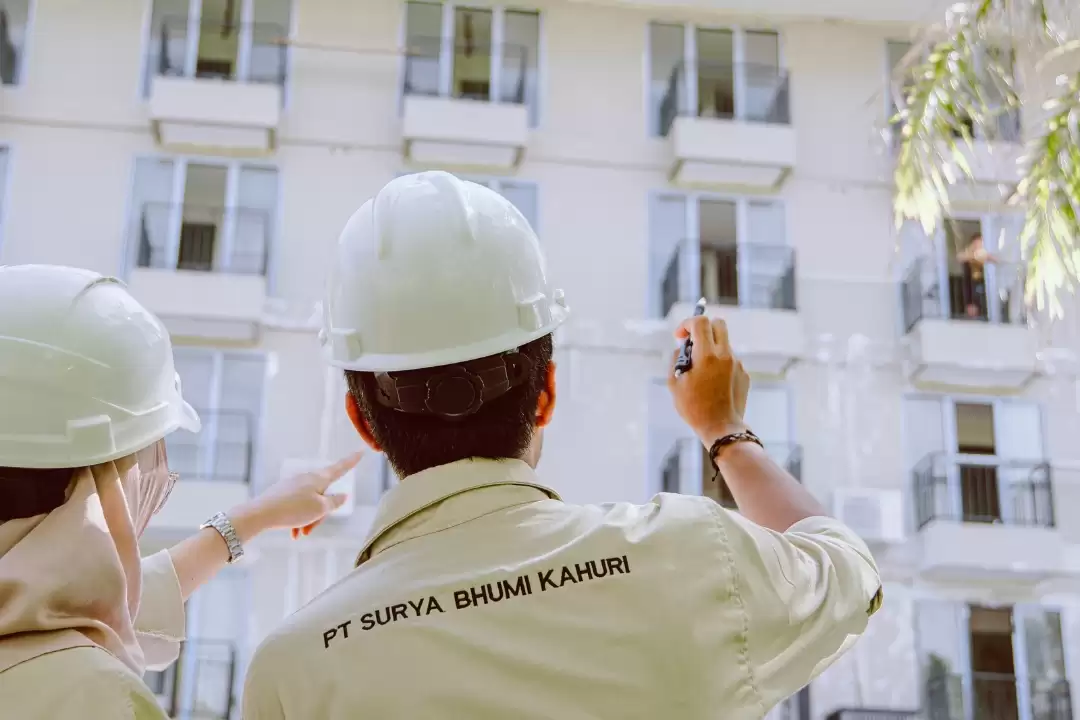
This is where a site survey can become valuable.
A site assessment may help the technical team understand:
-
Existing building conditions
-
Available installation space
-
Existing MEP systems
-
Access conditions
-
Equipment locations
-
Structural constraints
-
Existing pipe and cable routes
-
Potential coordination issues
This becomes particularly important for renovation, replacement, or projects involving existing buildings.
For new construction, site information can also help the team understand the actual conditions before installation begins.
The purpose of a site survey is not simply to take measurements.
It is about understanding the environment where the work will happen.
This information can then support better planning and a more accurate project quotation.
It can also help identify potential problems before they become site problems.
For example, a drawing may show enough ceiling space for ducting.
But once the site is inspected, structural elements or existing services may occupy part of that space.
Knowing this early gives the project team an opportunity to coordinate the solution before installation begins.
5. What About Materials, Warranty, and Maintenance After Installation?
Clients often focus on construction completion.
But an MEP system is expected to operate long after the installation team leaves the site.
That means materials, warranty arrangements, documentation, and maintenance should be discussed before the project starts.
Materials
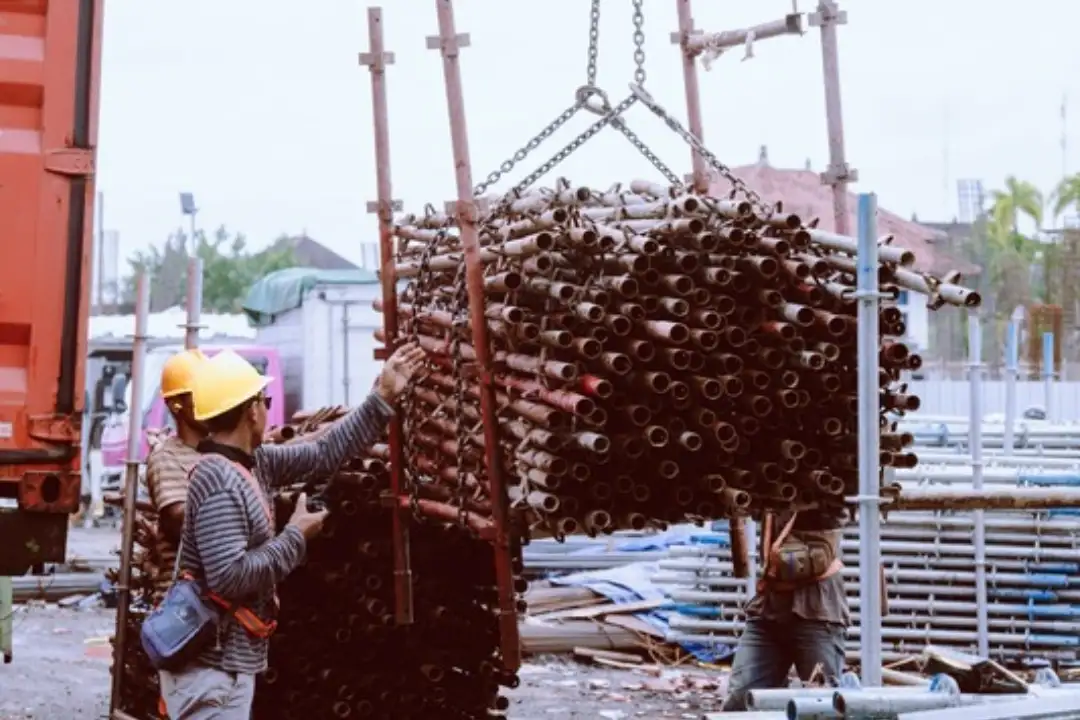
Material selection should follow the project's approved specifications and technical requirements.
The right material depends on the system and its application.
Electrical systems, plumbing, HVAC, fire protection, and other building systems each have different material requirements.
Using a material simply because it is cheaper does not necessarily make it the right choice for the project.
Material decisions should consider:
-
Technical requirements
-
System application
-
Project specifications
-
Availability
-
Installation conditions
-
Maintenance considerations
The goal is to select materials appropriate for the intended building system.
Warranty
Warranty is another topic that should be clearly discussed.
However, warranty terms should follow the actual project agreement, equipment supplier conditions, and contractor terms.
There is no universal warranty period that can simply be applied to every MEP project.
Before signing a contract, clients should understand:
-
What is covered
-
Which components are covered
-
What conditions apply
-
Who handles warranty claims
-
How equipment warranties are managed
Clear communication at the beginning helps avoid confusion later.
Maintenance
And then there is the question many clients ask only after the project is complete:
"Who will maintain the system?"
Maintenance is an important part of building operations.
Electrical systems need inspection.
HVAC equipment needs servicing.
Plumbing systems need monitoring.
Fire protection systems need checking.
Other building systems also require appropriate maintenance.
This is why maintenance should be considered from the beginning.
A contractor that understands the system installation can also have important knowledge about the configuration and technical documentation required for future maintenance.
At SBK, maintenance service is part of the wider Building and MEP capability.
The relationship with the building does not have to end simply because installation has been completed.
What About MEP Projects Outside Bali?
Another question becomes increasingly relevant for clients outside Bali:
"Can SBK handle projects outside Bali?"
Yes, SBK's business direction includes expanding its project capability beyond Bali.
The target markets include:
-
Java
-
Kalimantan
-
Sulawesi
-
NTB
-
NTT
-
Indonesia Timur
-
Other regions across Indonesia
This expansion is important to SBK's positioning as a Building and MEP contractor with national project capability.
The company's portfolio includes experience across several sectors, including:
Healthcare
RS Bali Mandara, RS Udayana, RS Family Husada, RS Bhayangkara, RS Siloam, RSUD Buleleng, RSUD Klungkung, and RSUD Sanjiwani.
Government
Istana Tampaksiring, Polda Bali, DPRD Denpasar, Kantor Walikota Denpasar, Kantor Bupati Klungkung, and BPS Denpasar.
Hospitality
Bali Safari, Hotel Alltrue Seminyak, and Villa Cemagi.
Commercial
BCA, Citibank, Astra Credit Companies, and Krisna Mall.
These projects represent SBK's documented portfolio across different building environments.
For new projects outside Bali, the actual scope, logistics, site conditions, and project requirements still need to be assessed individually.
The important point is that SBK is not positioned only for projects within one local market.
Why Consultation Should Come Before the Quotation
A quotation is more useful when it is based on an understanding of the actual project.
That is why consultation should happen before the final number is discussed.
A proper initial discussion can cover:
-
Building type
-
Project location
-
Project stage
-
Required MEP systems
-
Existing conditions
-
Technical drawings
-
Project timeline
-
Material requirements
-
Testing
-
Documentation
-
Maintenance
This gives both sides a clearer understanding of what needs to happen.
For clients, it helps create realistic expectations.
For contractors, it creates a stronger foundation for planning and execution.
And for complex projects, early consultation can reveal coordination issues before they become expensive site revisions.
What Should Clients Prepare Before Contacting an MEP Contractor?
If you are preparing to start an MEP project, having basic project information ready can make the first discussion more productive.
Useful information may include:
-
Project location
-
Building type
-
Building drawings
-
Project stage
-
Required systems
-
Existing MEP information
-
Target timeline
-
Technical specifications
-
Available project documentation
You do not necessarily need to have every answer before contacting a contractor.
That is exactly where consultation becomes useful.
The technical team can help identify what information is still needed before the project moves forward.
SBK: Building and MEP Under One Coordinated Approach
PT. Surya Bhumi Kahuri is a Building and MEP Contractor with capabilities across multiple building systems.
Its services include:
-
Building Construction
-
Mechanical Systems
-
Electrical Systems
-
Plumbing Systems
-
HVAC
-
Fire Fighting Systems
-
Electronic and Security Systems
-
Lead Shielding
-
Modular Operating Theatre
-
Elevator Installation
-
Maintenance
This range of capabilities supports projects where multiple systems need to be coordinated within the same building.
The approach is built around:
One Team for All Building Systems.
Instead of requiring clients to coordinate every technical system through completely separate vendors, SBK can provide a broader Building and MEP project structure according to the project's actual scope.
The Best MEP Project Conversations Start With Questions
Before an MEP project begins, asking questions is not a sign that the project is complicated.
It is part of good project planning.
Ask about cost.
Ask about scope.
Ask about timeline.
Ask whether a site survey is required.
Ask about materials.
Ask about testing and documentation.
Ask about warranty terms.
Ask what happens after handover.
And if your project is outside Bali, ask how the contractor approaches projects in other regions.
The answers help everyone understand what they are actually building together.
Because a successful MEP project does not start when the first cable is installed or the first pipe is connected.
It starts when the project requirements are understood clearly.