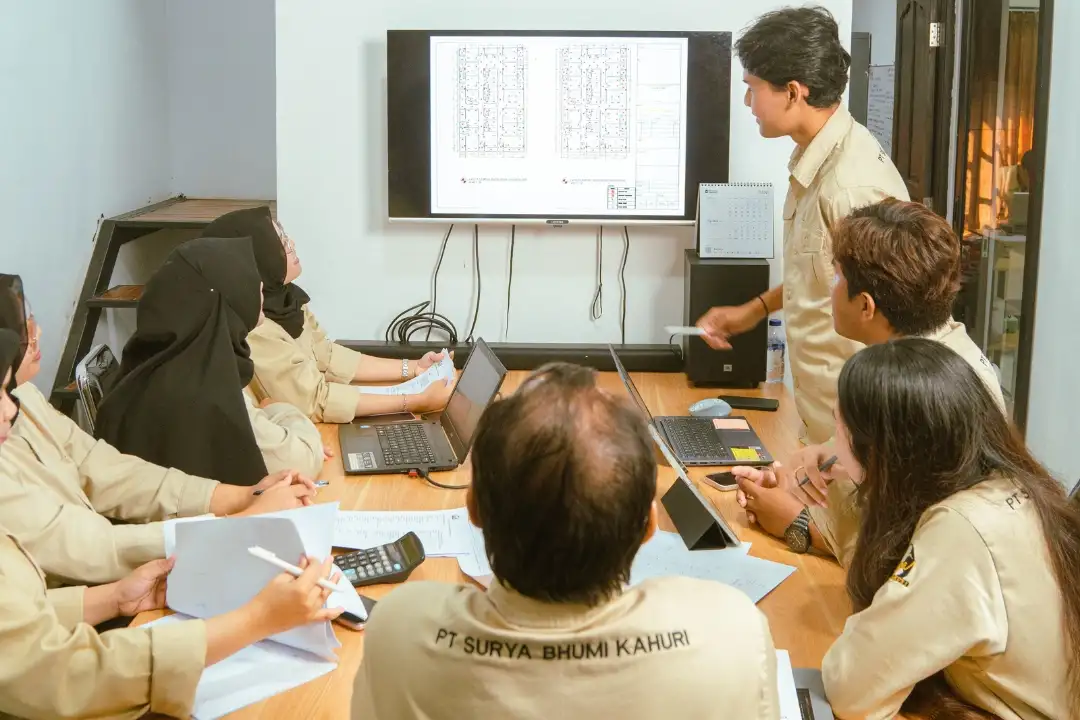
7 Hospital Projects That Show SBK’s Healthcare Experience
A hospital is not an ordinary building.
Its systems must support patients, medical teams, critical equipment, controlled environments, emergency procedures, and daily operations that cannot depend on disconnected technical decisions.
Electrical supply, plumbing, ventilation, fire protection, communication systems, elevators, and specialist medical spaces must be coordinated carefully. A problem in one system can affect several areas of the facility and create consequences far beyond a standard construction issue.
This is why hospitals need more than a contractor that can install cables, pipes, or air-conditioning equipment.
They need a hospital MEP contractor that understands how different building systems must work together inside a healthcare environment.
PT. Surya Bhumi Kahuri has a documented healthcare portfolio that includes hospitals across Bali. These projects provide relevant evidence of the company’s involvement in medical-facility environments and strengthen its position within hospital engineering Indonesia.
The seven projects below are confirmed in SBK’s portfolio. The exact technical package completed at each hospital should still follow approved project documents, contracts, photographs, reports, and handover records.
1. Rumah Sakit Universitas Udayana
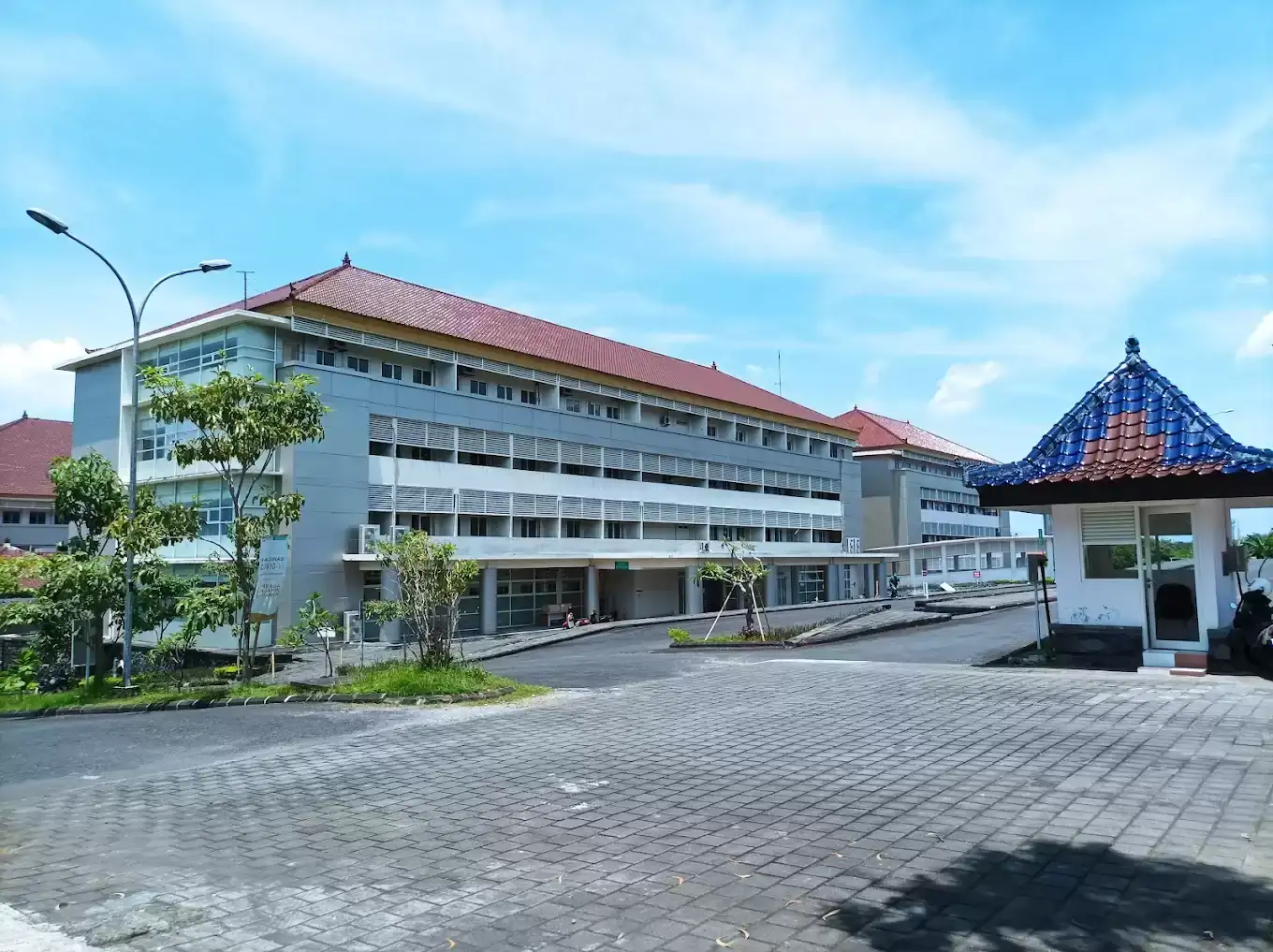
RS Udayana is one of the healthcare facilities listed in SBK’s project portfolio.
University hospitals can support several functions within one facility, including patient care, clinical services, education, and medical activities. This creates a building environment where technical systems need to serve different rooms and operational requirements.
For a contractor, working in this type of setting requires attention to coordination.
Electrical, plumbing, HVAC, fire protection, communication, and other systems may need to operate within areas that have different functions and levels of technical importance.
Even when a contractor is responsible for one confirmed package, the work cannot be considered in isolation. Installation routes, equipment access, testing procedures, and future maintenance must still be coordinated with the wider building.
SBK’s involvement in RS Udayana adds an important institutional healthcare reference to its portfolio.
2. Bali Royal Hospital
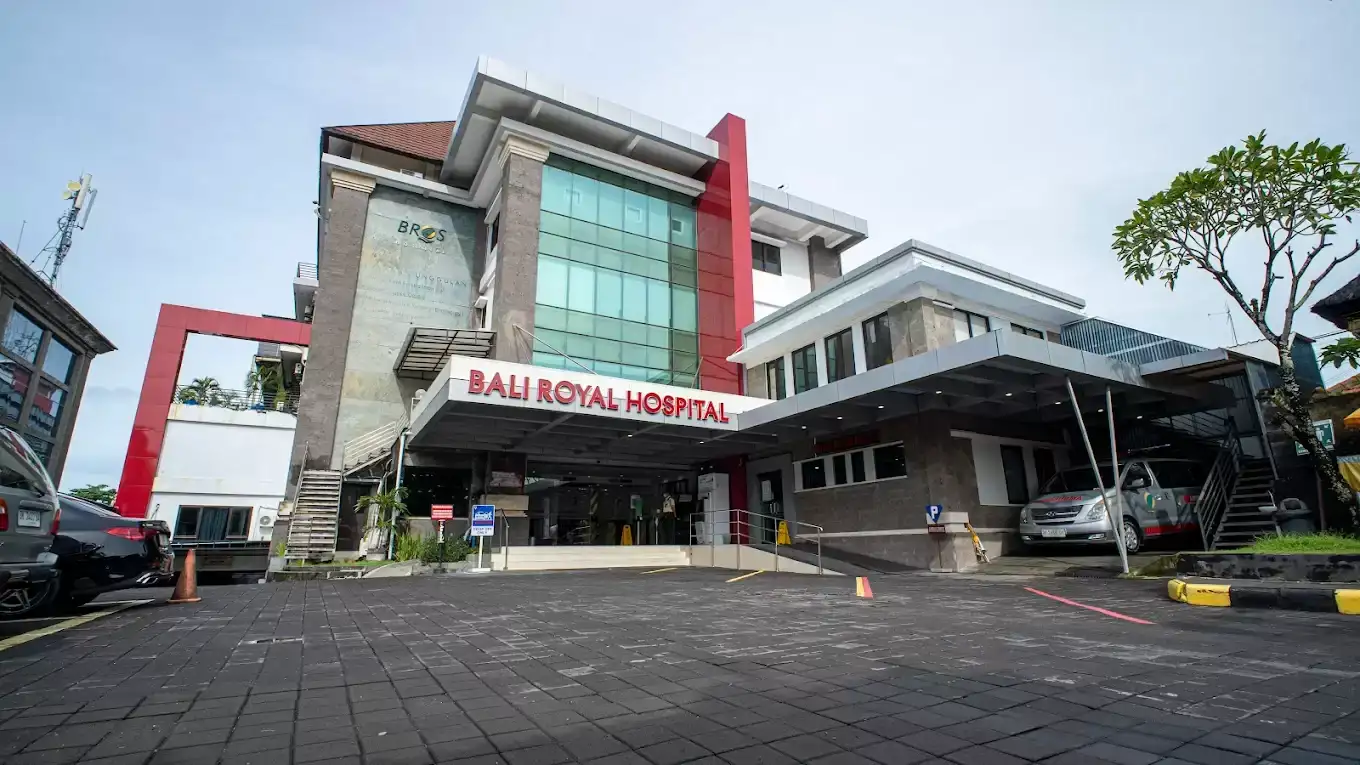
Bali Royal Hospital is another verified hospital project associated with SBK.
Private hospital environments are designed to support medical services while maintaining efficient operations for patients, visitors, doctors, nurses, engineering teams, and support personnel.
Behind those operations are multiple systems that need to remain reliable.
Depending on the approved project scope, hospital infrastructure may involve:
- Electrical distribution
- Clean-water and wastewater systems
- Ventilation and air conditioning
- Fire fighting and fire alarms
- Electronic and security systems
- Lift requirements
- Specialist medical spaces
- Inspection and maintenance access
The specific work performed by SBK at Bali Royal Hospital should not be expanded without supporting documentation.
However, the confirmed project name still provides relevant social proof. It demonstrates that SBK has participated in a recognized private healthcare project rather than relying only on general statements about hospital capability.
3. RSUD Buleleng
RSUD Buleleng strengthens SBK’s experience within the public healthcare sector.
Regional public hospitals can involve different stakeholders, approval processes, reporting structures, technical consultants, and operational teams. Contractors working in this environment need a disciplined approach to communication and documentation.
A medical facility contractor may need to coordinate with:
- Project owners
- Government representatives
- Consultants
- Main contractors
- Hospital management
- Engineering teams
- Equipment suppliers
- Other specialist vendors
Clear reporting becomes particularly important when several parties are involved.
Site progress, drawing revisions, inspection findings, testing results, and corrective work should be recorded so the project team can understand what has been completed and what still requires attention.
SBK’s RSUD Buleleng experience adds a government hospital reference to its broader healthcare portfolio.
4. RSUD Klungkung
SBK’s documented portfolio also includes RSUD Klungkung.
Hospital projects often contain spaces with very different operational needs. Public areas, treatment rooms, service zones, technical rooms, and specialist medical facilities cannot always use identical building-system solutions.
This makes planning and coordination essential.
A route that appears suitable on one drawing may conflict with structural elements, architectural finishing, medical equipment, or another technical installation when reviewed on site.
Professional execution should therefore include:
- Drawing review
- Site assessment
- Coordination between disciplines
- Installation supervision
- Inspection before concealed work is closed
- Testing
- Reporting
- Handover preparation
The presence of RSUD Klungkung in SBK’s portfolio supports the company’s experience in healthcare projects that require formal processes and coordination between multiple parties.
5. RSUD Sanjiwani Gianyar
RSUD Sanjiwani Gianyar is another verified public hospital project in SBK’s portfolio.
For a Bali-based healthcare construction company, repeated involvement in hospital environments is more valuable than one isolated medical project.
Each project exposes the technical team to different building conditions, project structures, site limitations, and coordination requirements.
Hospital work also requires contractors to think beyond installation completion.
Technical systems must remain:
- Accessible for inspection
- Understandable for engineering teams
- Supported by documentation
- Prepared for testing
- Suitable for future maintenance
An installation may operate correctly at handover but still create difficulties later if components cannot be reached, routes are poorly identified, or records are incomplete.
The RSUD Sanjiwani Gianyar project contributes to SBK’s understanding of how healthcare facilities need to be supported beyond the visible construction stage.
6. RS Bhayangkara Denpasar
The portfolio also includes RS Bhayangkara Denpasar.
Healthcare facilities connected to public institutions may involve structured project procedures and specific operational considerations. The contractor needs to follow the approved scope while maintaining coordination with the project’s technical and administrative stakeholders.
For this type of project, quality is not created only during final inspection.
It begins with:
- Understanding the assigned responsibilities
- Reviewing approved information
- Preparing suitable materials
- Coordinating installation routes
- Monitoring field execution
- Recording project progress
- Correcting issues before the next stage
- Completing the required testing and documentation
RS Bhayangkara Denpasar adds another institutional healthcare project to SBK’s verified portfolio.
It helps demonstrate that SBK’s healthcare experience covers different types of hospital clients rather than one single category.
7. RS Siloam Badung
RS Siloam Badung completes the seven hospital projects highlighted in this article.
Private hospital networks may require contractors to work within defined project requirements, operational expectations, and coordination procedures.
As with the other projects, the exact SBK scope at RS Siloam Badung should be described only after reviewing confirmed technical records.
The credibility comes from presenting the project accurately.
SBK does not need to claim that it completed every system inside the hospital. A verified involvement supported by genuine project documentation is already more trustworthy than an unsupported statement.
For hospital owners, consultants, procurement teams, and main contractors, this approach shows that SBK values accurate scope communication as part of professional project delivery.
Why Hospital MEP Work Is More Complex
Hospitals place greater demands on building systems because many spaces support sensitive or continuous operations.
A typical commercial building may experience inconvenience when one system stops functioning. In a hospital, the same problem may affect clinical activities, patient comfort, staff workflows, safety procedures, or critical equipment.
This is why healthcare projects may require coordinated systems such as:
- Electrical distribution and backup support
- Clean-water and wastewater systems
- Fire protection
- Electronic and security infrastructure
- Hospital lifts
- Controlled ventilation
- Specialist medical-room systems
- Preventive maintenance
Hospital HVAC is one example of an area that may require more careful planning than standard comfort cooling.
Different medical spaces can have specific airflow, filtration, temperature, or pressure requirements. These requirements must be coordinated with room use, ceiling space, electrical supply, controls, and maintenance access.
The exact design must always follow the project consultant, approved specifications, applicable requirements, and confirmed scope.
Specialist Healthcare Services from SBK
In addition to general Building and MEP capabilities, SBK provides specialist services relevant to medical facilities.
Lead Shielding
Lead Shielding is used to support radiation protection in areas such as:
- X-ray rooms
- CT scan rooms
- Radiology facilities
- Medical laboratories
- Protected doors and walls
- Radiation-protection glass
This work requires careful attention to the approved design, material placement, openings, connections, and surrounding construction.
It should not be treated as ordinary wall finishing.
Modular Operating Theatre
SBK also provides Modular Operating Theatre services for hospital and healthcare environments.
The wider scope may include:
- Modular wall systems
- Sterile-room requirements
- Operating-room HVAC
- HEPA filtration
- Temperature and pressure control
- Operating-room lighting
- Supporting medical-facility systems
These services strengthen SBK’s positioning as more than a general MEP company.
They support the company’s development as an integrated medical engineering partner.
However, these specialist services should only be associated with an individual portfolio project when that scope has been confirmed.
Why One Integrated Team Matters in Hospitals
Hospitals may require several contractors for electrical, plumbing, HVAC, fire protection, security, elevators, medical rooms, and general construction.
When these teams operate without strong coordination, the project can face:
- Conflicting installation routes
- Unclear responsibilities
- Delayed approvals
- Difficult testing
- Incomplete documentation
- Limited maintenance access
- Rework near project completion
SBK’s principle, One Team for All Building Systems, is designed to reduce this fragmentation.
An integrated team can coordinate multiple confirmed services through one project structure, helping owners and main contractors manage communication, inspections, testing, reporting, and maintenance more clearly.
The benefit is not simply having fewer vendor contacts.
It is having one partner that understands how different building systems affect each other.
Healthcare Experience Built Through Real Projects
SBK’s healthcare portfolio includes more than the seven projects highlighted here.
The company’s documented project list also contains other hospitals, regional medical facilities, and healthcare-related properties in Bali.
This broader experience is one of SBK’s strongest strategic assets.
It shows that the company has worked within different healthcare project environments and understands the importance of:
- Technical coordination
- Accurate installation
- Inspection
- Testing
- Documentation
- Specialist medical services
- Long-term maintenance
For hospital management, developers, consultants, procurement teams, and main contractors, real project experience provides stronger evidence than promotional claims.
Discuss Your Healthcare Project with SBK
PT. Surya Bhumi Kahuri provides integrated Building and MEP services for hospitals and other healthcare facilities.
Its capabilities include Mechanical, Electrical, Plumbing, HVAC, Fire Fighting, Electronic and Security Systems, Lead Shielding, Modular Operating Theatre, Hospital Lift solutions, General Construction, and Maintenance.
SBK is based in Bali and prepared to discuss healthcare projects in other regions of Indonesia.
To begin a technical consultation, share:
- Project name and location
- Type of healthcare facility
- Current project stage
- Available drawings
- Required systems
- Specialist-room requirements
- Expected installation scope
- Testing and handover needs
A clear discussion at the beginning helps define responsibilities, identify coordination risks, and prepare an appropriate project scope.
Because healthcare facilities do not need disconnected technical vendors.
They need one coordinated team that understands how every confirmed system supports the building’s operation.