7 Site Problems That Look Small but Can Become Expensive
In construction, not every expensive problem starts with something big.
Sometimes, the issue begins with something that appears easy to ignore.
A small water mark on the ceiling.
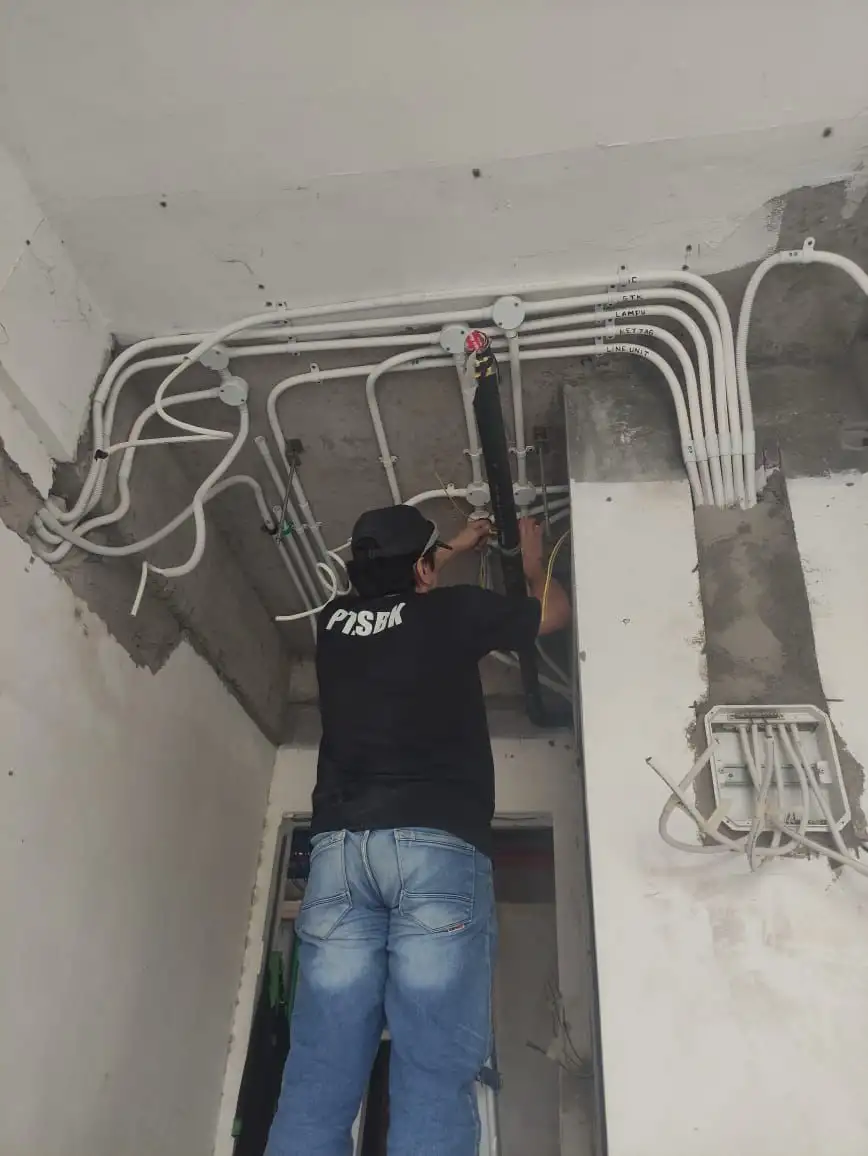
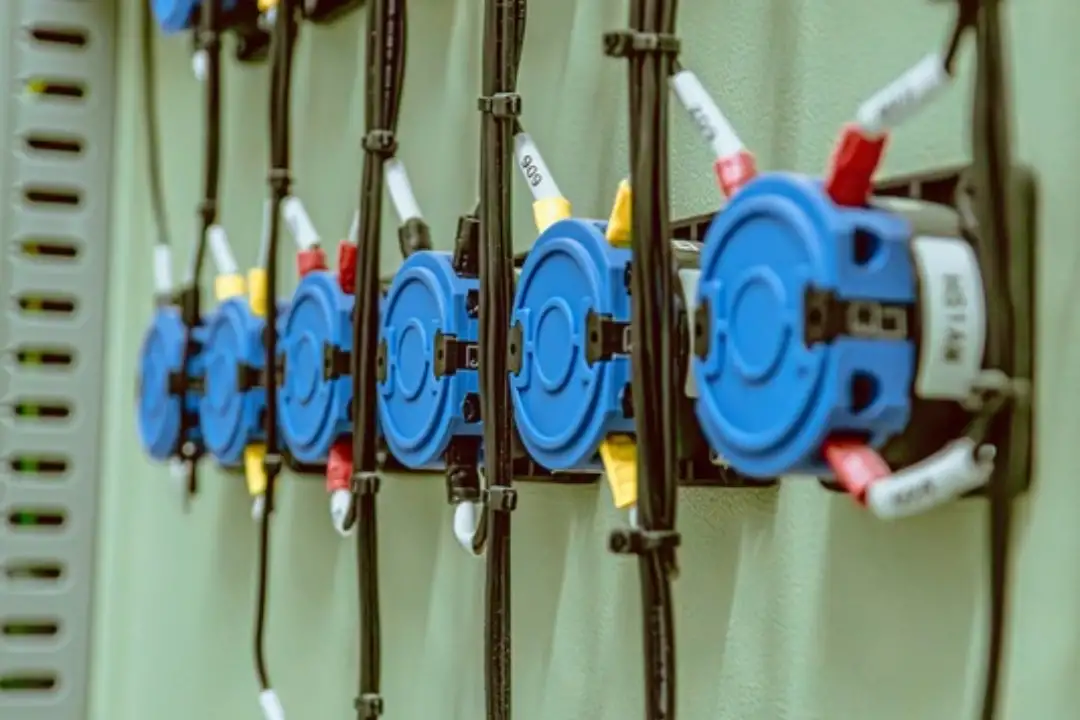
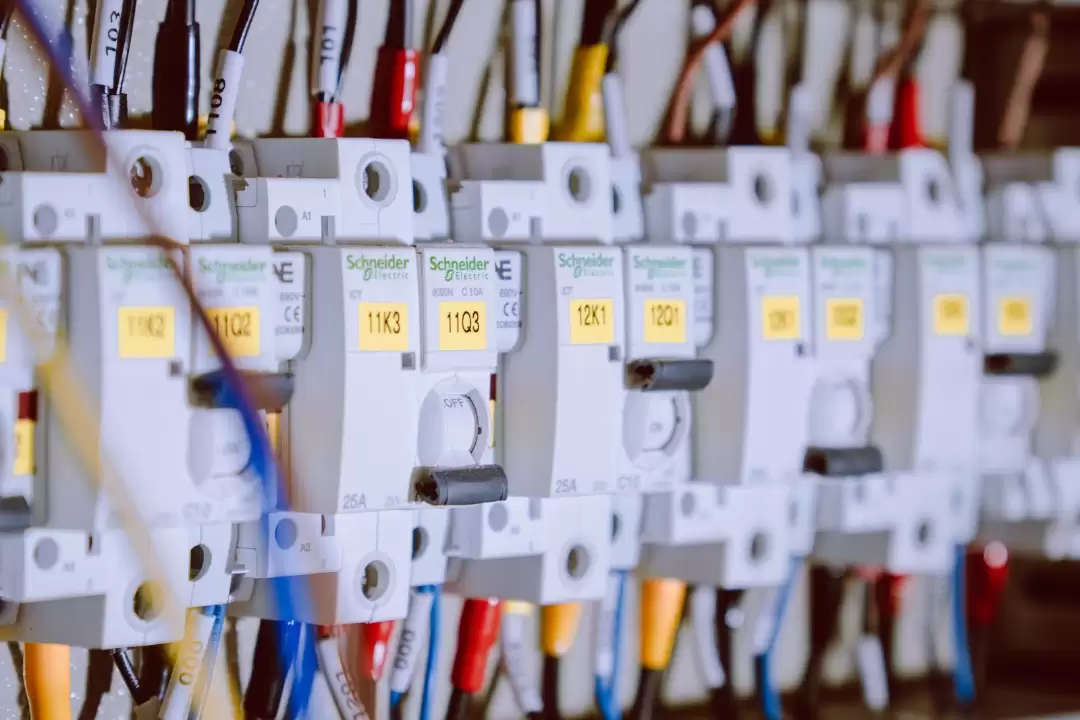
A loose electrical connection.
A drain that does not flow properly.
A sensor installed a few centimetres away from the correct position.
A cable label that was forgotten during installation.
At first, these problems may seem minor.
The project team may think:
“We can fix it later.”
“It is only a small adjustment.”
“It will not affect the overall building.”
But small issues can become expensive when they are connected to other systems, discovered too late, or ignored until the building is already operating.
This is why professional construction teams pay attention to details during installation, inspection, testing, and maintenance.
For a reliable MEP contractor, the goal is not only completing the installation.
It is identifying potential problems before they affect the building.
Here are seven site problems that may look small but can create bigger consequences.
1. Small Water Leaks That Become Major Repairs
A small water leak may not look serious at the beginning.
A few drops from a pipe connection.
A small wet area near a ceiling.
A slight water mark on a wall.
However, water problems rarely remain limited to one location.
If the source is not identified quickly, water can affect:
- Ceiling materials
- Wall finishes
- Electrical components
- Equipment areas
- Interior spaces
- Building maintenance schedules
The challenge is that many plumbing problems are hidden.
A pipe installed above a ceiling or inside a wall may continue leaking without being immediately visible.
By the time the problem becomes obvious, the affected area may already be larger.
This is why proper building system installation requires careful inspection before areas are closed.
Plumbing systems should be checked for:
- Correct connections
- Proper installation methods
- Leakage risks
- Pressure conditions
- Accessibility for future maintenance
A professional team does not wait until a leak becomes a visible problem.
Early inspection and testing help identify issues while they are still easier to correct.
For project owners, preventing one small leak can avoid unnecessary repair work after the building is completed.
2. Loose Electrical Connections That Create Bigger Risks
A cable connection may look like a small technical detail.
But electrical systems depend on hundreds or thousands of these connections working correctly.
A loose connection can lead to:
- Unstable operation
- Equipment problems
- Heat generation
- Repeated troubleshooting
- Safety concerns
- Unexpected downtime
Electrical problems are especially challenging because they are not always visible.
A building may appear to operate normally until one connection creates an issue.
This is why electrical installation requires attention during every stage:
- Material checking
- Installation
- Connection work
- Inspection
- Testing
- Documentation
A professional MEP contractor understands that electrical quality is not only about installing panels and cables.
It is about ensuring every connection supports the reliability of the entire system.
Regular inspection also becomes important after handover because electrical systems continue experiencing operational loads over time.
A small connection problem found early is usually easier to manage than a failure discovered during building operation.
3. Blocked Drains That Affect Daily Operations
Drainage systems are often ignored when everything works normally.
People only notice them when water does not flow.
A blocked drain may appear like a simple inconvenience.
However, drainage problems can affect:
- Bathrooms
- Kitchens
- Service areas
- Outdoor spaces
- Building cleanliness
- Daily operations
The cause may come from different factors:
- Incorrect installation
- Poor maintenance
- Foreign materials entering the system
- Insufficient inspection
- Improper drainage planning
A drainage system is not only about installing pipes.
The design, route, slope, access points, and maintenance considerations all influence how well the system performs.
During construction, inspection should confirm that drainage routes are installed properly before finishing work covers access points.
After completion, regular maintenance becomes equally important.
A well-installed system still requires proper care.
This is why plumbing should be considered part of the building’s long-term operation, not only a construction activity.
4. Incorrect Sensors That Affect System Performance
Modern buildings depend on many sensors.
They support systems such as:
- Fire alarms
- HVAC controls
- Security systems
- Access control
- Building automation
A sensor may look like a small component.
But its location and installation can affect whether the system responds correctly.
For example, an incorrectly positioned sensor may:
- Receive inaccurate information
- Reduce system effectiveness
- Create false alerts
- Delay proper response
- Require adjustment after installation
This is why sensor installation requires more than simply mounting a device.
The technical team needs to consider:
- Approved drawings
- Room function
- Equipment requirements
- System communication
- Testing procedures
- Final operational needs
An alarm sensor, for example, needs to be tested after installation to confirm it communicates correctly with the wider system.
Small devices often support important building functions.
Their size does not represent their importance.
5. Poor Labelling That Creates Future Problems
Labels may seem like one of the smallest details on a project.
A cable label.
A pipe identification mark.
A panel description.
A system tag.
However, these simple details become extremely valuable after the building starts operating.
Imagine a maintenance team trying to identify:
- Which cable supplies a specific area
- Which valve controls a certain line
- Which panel connects to specific equipment
- Which system requires inspection
Without clear labels, troubleshooting can take much longer.
Poor labelling can create:
- Delayed repairs
- More inspection time
- Confusion during maintenance
- Higher risk of incorrect handling
- Difficulty understanding the installed system
Professional building system installation should consider the future users of the building.
The team that installs the system may not always be the team maintaining it years later.
Clear documentation and identification help transfer knowledge from the construction stage to the operational stage.
Good labels are small.
But their value appears when someone needs them most.
6. Poor Airflow That Reduces Comfort and Efficiency
A building can have an air-conditioning system installed and still experience airflow problems.
People may notice:
- Rooms that feel warmer than expected
- Uneven cooling
- Weak airflow
- Noise complaints
- Areas that are uncomfortable
These problems may come from different causes:
- Incorrect duct routing
- Poor equipment selection
- Installation issues
- Blocked airflow paths
- Lack of proper testing
HVAC systems require coordination between design, equipment, installation, and testing.
A duct is not only a metal pathway.
Its size, route, connection, and position influence how air moves throughout the building.
Testing helps confirm whether the system performs according to the intended requirements.
Without proper checking, a visually complete installation may still need adjustments after occupants begin using the building.
For hotels, offices, hospitals, and commercial facilities, comfort affects daily experience.
That is why HVAC installation should focus on performance, not only appearance.
7. Delayed Maintenance That Turns Small Issues Into Major Problems\
Many building problems become expensive because they are ignored for too long.
A small issue today may become a larger repair tomorrow.
Examples include:
- Minor water leakage
- Unusual equipment sounds
- Small electrical irregularities
- Reduced airflow
- Slow drainage
- Warning signals from systems
When maintenance is delayed, the problem may affect more components.
The repair process may become more complicated because:
- Parts need replacement
- Access becomes difficult
- Operations are interrupted
- Additional systems are affected
Preventive maintenance helps identify problems before failure occurs.
A proper maintenance approach may include:
- Regular inspection
- System testing
- Equipment checks
- Cleaning
- Performance review
- Documentation updates
This is especially important for commercial buildings where daily operations depend on reliable systems.
Maintenance is not only a response after something breaks.
It is part of protecting the building investment.
Why Small Details Matter in MEP Projects
Construction projects involve thousands of decisions.
Some are large and visible.
Others are small and technical.
But many successful buildings are defined by how well those small details are managed.
A properly tightened connection.
A correctly installed sensor.
A tested drainage line.
A clear system label.
A completed inspection checklist.
These details reduce risk because they support the bigger system.
For project owners, developers, consultants, and facility teams, choosing the right contractor means choosing a team that understands the importance of both major installations and small technical details.
SBK Approach: Building Systems That Work Together
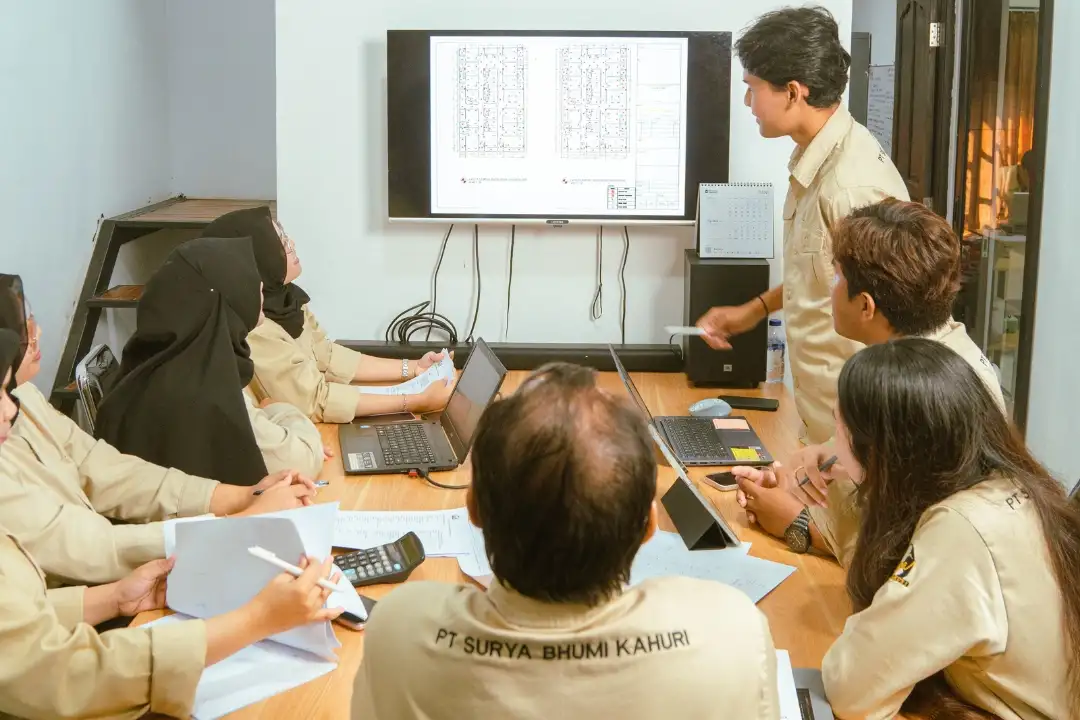
PT. Surya Bhumi Kahuri provides integrated Building and MEP services across:
- Mechanical Systems
- Electrical Systems
- Plumbing Systems
- HVAC
- Fire Fighting Systems
- Electronic and Security Systems
- Lead Shielding
- Modular Operating Theatre
- Elevator Installation
- Maintenance
Through the principle of One Team for All Building Systems, SBK focuses on coordinated execution from planning, installation, inspection, testing, documentation, and maintenance support.
This integrated approach helps reduce disconnected decisions between different technical areas.
Because a building does not fail only because of major mistakes.
Sometimes, the biggest costs come from small problems that were ignored too early.
The right time to solve a small problem is before it becomes an expensive one.