How Integrated Building Systems Support Better Hotel Operations
A successful hotel experience is created by many visible and invisible elements.
Guests notice the room design, the service quality, the facilities, and the atmosphere.
However, behind every comfortable stay is a network of technical systems working continuously in the background.
The room temperature feels comfortable because the HVAC system operates properly.
The lights work because the electrical infrastructure is reliable.
The bathroom functions because the plumbing system is designed and maintained correctly.
Guest communication works because telephone and electronic systems are properly connected.
Emergency systems remain ready because fire protection and safety systems are tested.
These systems may not be visible to guests, but they directly influence the hotel experience.
This is why choosing the right hotel MEP contractor is an important decision for hotel owners, developers, and operators.
A hotel is not simply a building with rooms.
It is an operational environment where technical systems need to support guests, employees, safety requirements, and daily business activities at the same time.
Through integrated building systems, hotels can achieve better coordination between different technical services, reduce operational disruption, and create a more reliable environment for everyone using the property.
Why Hotel Building Systems Matter

Hotels operate differently from many other building types.
A hotel does not close simply because maintenance is required.
Guests continue arriving.
Restaurants continue operating.
Staff continue providing services.
Public areas remain active.
This means building systems must support continuous operation.
A problem with one system can affect multiple areas.
For example:
A faulty HVAC system can affect guest comfort.
A plumbing issue can disrupt rooms or facilities.
An electrical problem can affect lighting, equipment, and operations.
A communication failure can affect staff response.
A fire alarm issue can affect safety procedures.
Because of this, hotel systems cannot be planned as separate installations that operate independently.
They need to work together.
This is where professional hospitality engineering becomes important.
The goal is not only installing equipment.
It is creating a building environment where every system supports the hotel’s operational needs.
Supporting Guest Comfort Through Reliable Systems
Guest comfort is one of the most visible results of good building-system performance.
A guest may never see the mechanical room or electrical panel, but they immediately notice when something does not work properly.
A room that is too warm.
A bathroom with inconsistent water supply.
A noisy HVAC system.
A lighting problem.
These small experiences can influence how guests perceive the entire hotel.
One important component is the hotel HVAC system.
HVAC supports indoor comfort by managing temperature, airflow, and ventilation according to the building requirements.
However, achieving good performance requires coordination between:
- Mechanical equipment
- Electrical supply
- Ducting routes
- Controls
- Drainage
- Maintenance access
The system must not only be installed.
It must also be tested and maintained.
Poor planning can create issues such as difficult access, inefficient operation, or uneven comfort between different areas.
A professional approach considers both installation and future operation.
The best HVAC system is not simply the one that works on completion day.
It is the one that continues supporting guest comfort throughout the hotel’s operation.
Electrical Systems Keep Hotel Operations Running
Electricity supports almost every function inside a hotel.
From guest rooms and restaurants to kitchens, elevators, security systems, and operational equipment, reliable electrical infrastructure is essential.
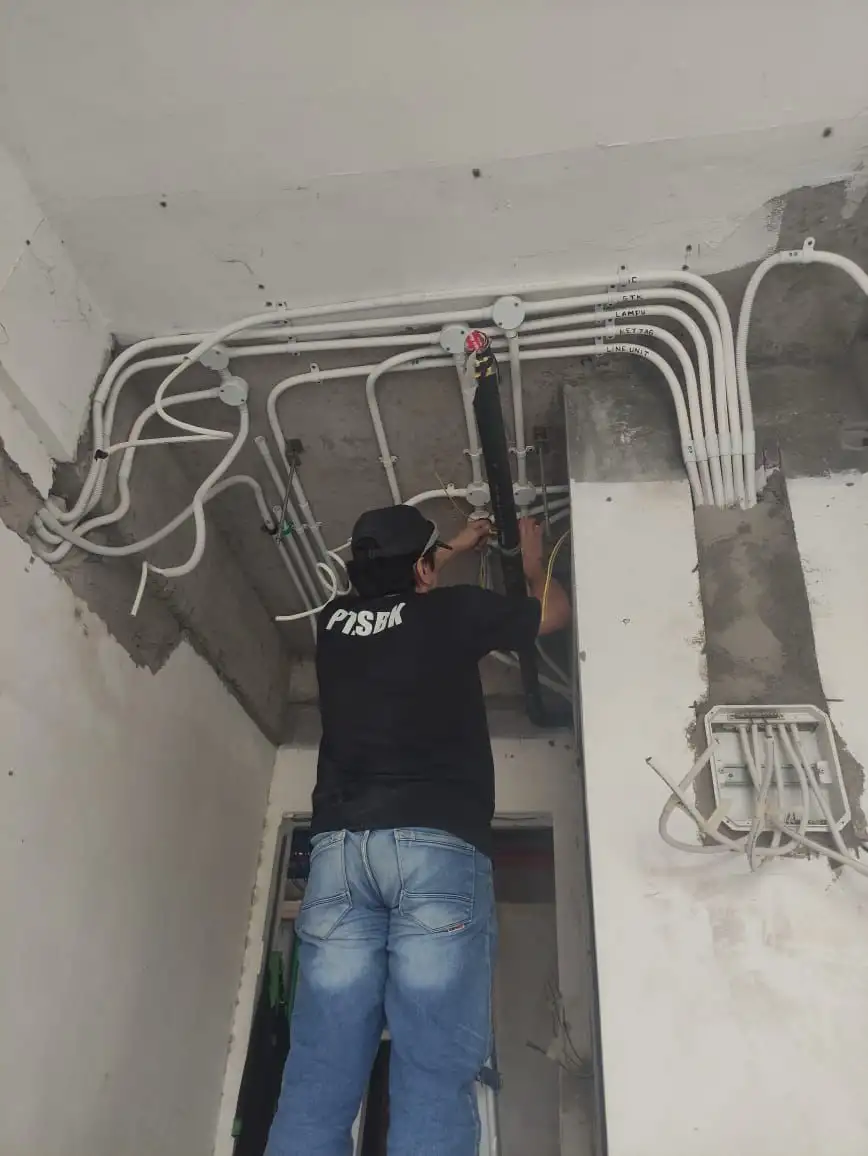
An experienced electrical contractor understands that hotel electrical systems need careful planning.
Important considerations include:
- Power distribution
- Electrical panels
- Lighting systems
- Equipment connections
- Backup power requirements
- Safety systems
- Maintenance access
A hotel may have different electrical priorities across different areas.
Guest rooms require reliable lighting and room equipment.
Restaurants require support for kitchen and service equipment.
Public areas require lighting and operational systems.
Technical rooms require power for building equipment.
This is why electrical systems should be designed around how the hotel operates.
Clear panel organisation, proper cable management, testing, and documentation also support future maintenance.
When problems occur, the engineering team needs to quickly understand the system and respond efficiently.
A well-planned electrical system supports more than power availability.
It supports business continuity.
Plumbing Systems Support Daily Hotel Activities
Water is one of the most important services in hospitality.
Guests expect reliable water supply, clean facilities, and properly functioning bathrooms.
Behind this expectation is a complex plumbing network.
A hotel plumbing system may support:
- Guest bathrooms
- Restaurants
- Kitchens
- Laundry areas
- Service facilities
- Water distribution
- Drainage systems
Plumbing problems can quickly affect hotel operations.
A blocked drain, water leakage, or supply issue may create inconvenience for guests and additional work for staff.
This is why plumbing installation requires careful planning.
The team needs to consider:
- Pipe routes
- Connections
- Access points
- Testing
- Maintenance requirements
Plumbing systems also need coordination with other building services.
Pipe routes may share areas with electrical systems, HVAC components, and structural elements.
Without proper coordination, installation conflicts can appear.
A professional hotel MEP approach considers plumbing as part of the complete building system rather than an isolated service.
Communication Systems Improve Staff Coordination
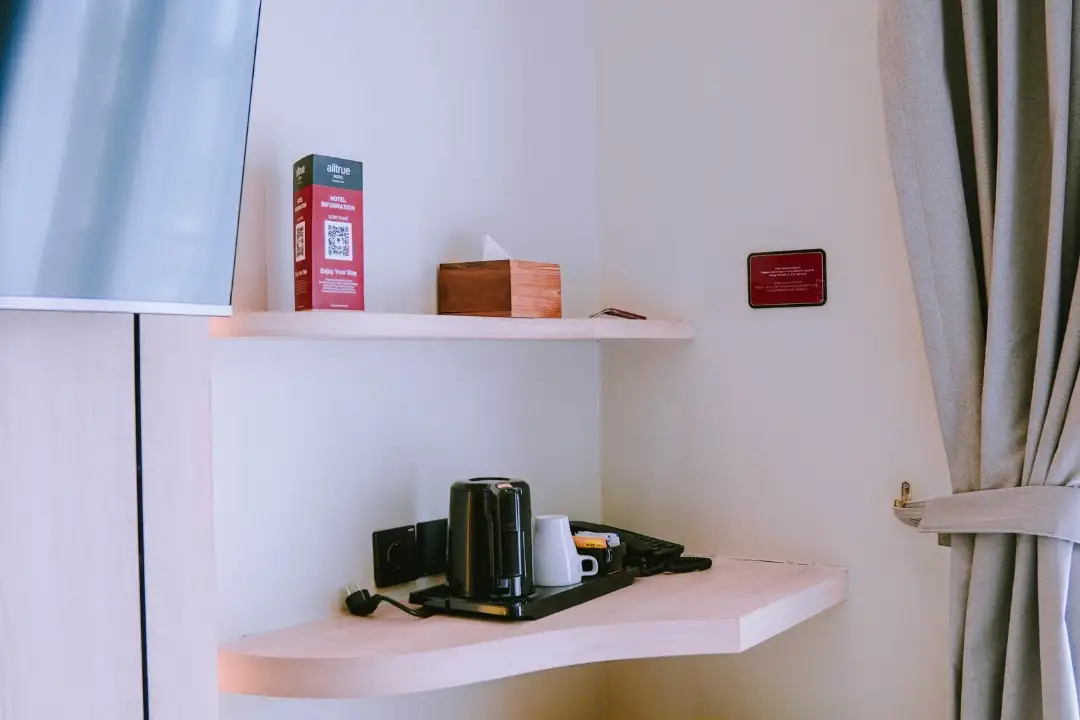
Hotels depend on communication.
Guests need assistance.
Staff need to coordinate.
Departments need to share information quickly.
This is where communication infrastructure becomes important.
Systems such as telephone infrastructure and electronic communication networks support daily hotel activities.
A reliable communication system can help connect:
- Front office teams
- Housekeeping
- Engineering departments
- Management
- Service teams
A guest request may need quick coordination between several departments.
A maintenance issue may require communication between engineering and operations.
An emergency situation may require fast information sharing.
Although guests may not see the technical infrastructure behind communication systems, it plays an important role in service delivery.
Proper planning should consider:
- Cable routes
- Equipment locations
- System integration
- Future maintenance
- Expansion possibilities
Modern hospitality operations depend not only on physical facilities but also on how effectively teams communicate.
Fire Safety Protects Guests and Staff
Safety is one of the most important responsibilities in any hotel.
A hotel accommodates many people who may not be familiar with the building layout.
This makes fire protection systems essential.
A fire alarm hotel system helps provide early warning and supports emergency response procedures.
Depending on the approved project requirements, fire safety systems may include:
- Fire alarm devices
- Control panels
- Emergency communication
- Fire protection equipment
- Supporting electrical connections
The system must be properly installed, tested, and maintained.
A fire alarm that exists physically but has not been properly checked does not provide confidence.
Safety systems require continuous attention.
Regular inspection, testing, and maintenance help ensure that the system remains prepared when needed.
For hotel operators, safety is not only a technical requirement.
It is part of protecting guests, employees, and the reputation of the property.
Integrated Systems Improve Maintenance
A hotel does not stop operating after construction is completed.
The building enters a new stage:
Daily operation and maintenance.
This is where integrated building systems provide long-term value.
When systems are properly coordinated, maintenance teams can better understand:
- Equipment locations
- System connections
- Inspection points
- Access requirements
- Documentation records
Maintenance becomes easier when the original installation considered future needs.
For example:
Equipment should remain accessible.
Panels should be clearly labelled.
Technical routes should be understandable.
Important documents should be available.
A hotel may operate for many years after construction.
The decisions made during installation can influence how easily the building can be maintained in the future.
Professional hospitality engineering considers the entire lifecycle of the property.
Not only the construction phase.
Operational Continuity Depends on Coordination
The biggest challenge in hotel projects is that multiple systems must operate together every day.
The HVAC system depends on electrical supply.
Communication systems require power and infrastructure.
Fire safety systems require proper connections and testing.
Plumbing systems must operate alongside the wider building environment.
Each system has different technical requirements, but they share the same building.
Without proper coordination, hotels may experience:
- Installation conflicts
- Delayed repairs
- Difficult troubleshooting
- Increased maintenance challenges
- Operational interruptions
This is why integrated hotel building systems are important.
Integration creates better coordination between:
- Mechanical systems
- Electrical systems
- Plumbing systems
- HVAC
- Fire protection
- Electronic systems
The result is a building where different systems support each other instead of creating conflicts.
SBK Approach: One Team for All Building Systems
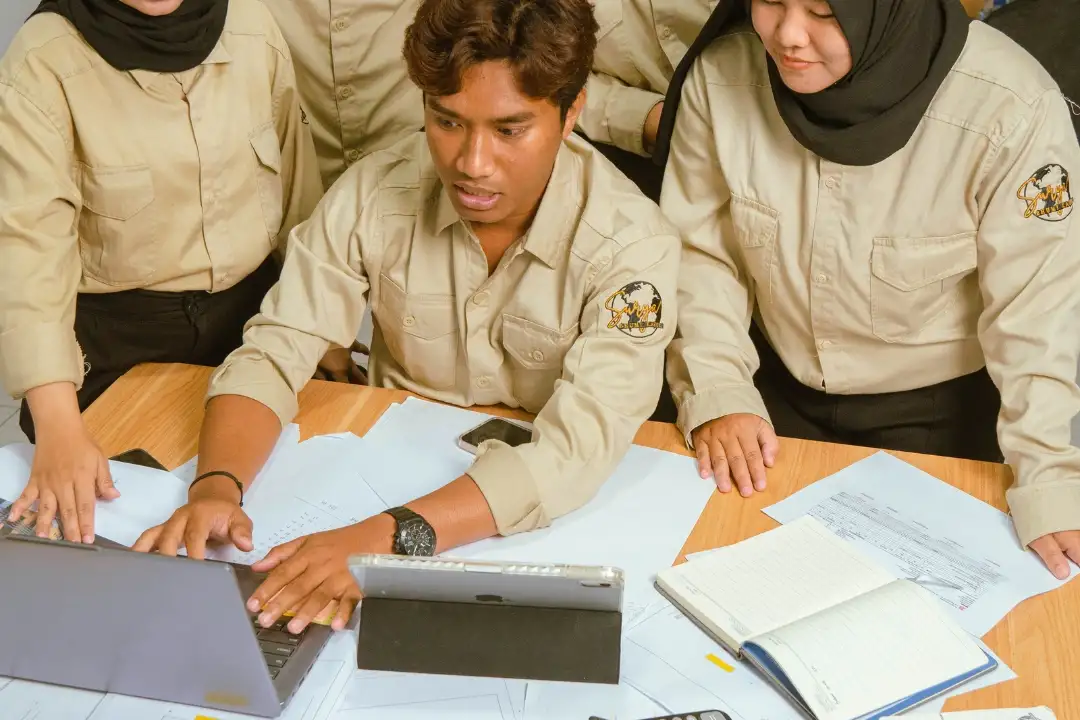
PT. Surya Bhumi Kahuri provides integrated Building and MEP services for different building sectors, including hospitality projects.
SBK’s capabilities include:
- Building Construction
- Mechanical Systems
- Electrical Systems
- Plumbing Systems
- HVAC
- Fire Fighting Systems
- Electronic and Security Systems
- Lead Shielding
- Modular Operating Theatre
- Elevator Installation
- Maintenance
Through the principle of One Team for All Building Systems, SBK helps clients coordinate multiple technical requirements through one professional project structure.
For hotel owners, developers, consultants, and operators, this approach supports clearer communication from planning and installation through inspection, testing, documentation, and maintenance.
Because hotel success depends on more than beautiful spaces.
It depends on the systems working quietly behind those spaces every day.
A guest may remember the room, the service, and the experience.
But behind that experience is a building system designed to keep everything running.