How Lead Shielding Supports Safer Radiology Facilities
Modern healthcare facilities depend on advanced diagnostic technology.
X-ray machines, CT scanners, and other imaging equipment help medical teams understand patient conditions and make important clinical decisions.
However, these technologies also require carefully planned environments.
Radiology rooms are not ordinary rooms.
They require specific construction considerations to support safe operation, protect surrounding areas, and meet the requirements of the approved medical facility design.
One important component in these spaces is lead shielding.
Lead shielding is a specialist healthcare construction service designed to support radiation protection in diagnostic imaging areas.
Unlike standard wall construction, shielding installation requires careful planning, accurate execution, and verification to ensure the protected space performs according to the required specifications.
This is why healthcare facilities need an experienced radiology room contractor that understands the relationship between medical equipment, room construction, building systems, and safety requirements.
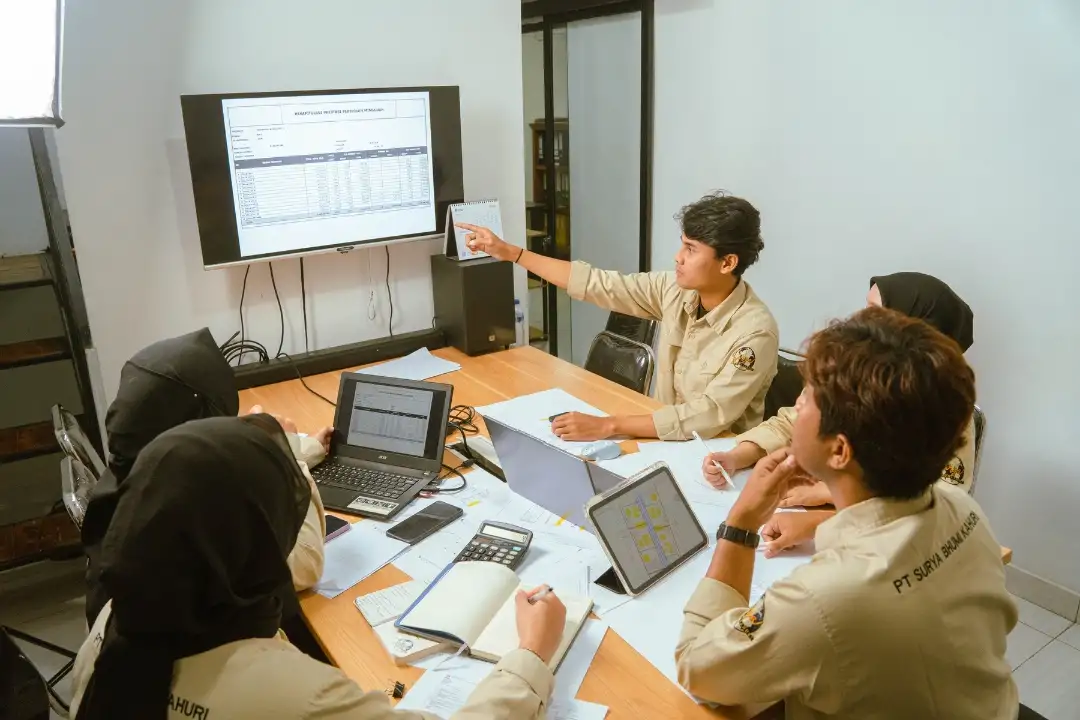
PT. Surya Bhumi Kahuri provides specialist healthcare capabilities, including lead shielding solutions as part of its integrated Building and MEP services.
Why Radiation Protection Matters in Healthcare Facilities
Radiology departments play an important role in modern healthcare.
Rooms containing X-ray and CT scan equipment allow medical professionals to perform diagnostic procedures that support patient care.
However, these rooms must be designed differently from normal spaces.
The building needs to consider how radiation is managed during equipment operation.
This is where radiation protection becomes an important part of healthcare construction.
The purpose of shielding is to help control radiation exposure in areas surrounding the imaging room according to the approved design requirements.
A properly planned shielding system considers:
- Room function
- Equipment type
- Wall requirements
- Door protection
- Viewing window protection
- Surrounding spaces
- Construction details
The objective is not simply adding protective material.
It is creating a radiology environment that supports safe operation.
Areas That May Require Lead Shielding
Lead shielding is commonly associated with diagnostic imaging facilities.
Depending on the healthcare project requirements, shielding may be required in areas such as:
X-Ray Rooms
An X ray room shielding solution supports the protection requirements of spaces where X-ray equipment is used.
The room construction needs to consider areas where radiation may interact with walls, doors, and viewing sections.
Important elements may include:
- Shielded walls
- Protected doors
- Radiation-protection glass
- Proper installation details
Every element needs to work together as part of the complete room design.
A small gap or incorrect installation detail can affect the intended protection performance.
This is why specialist installation is essential.
CT Scan Rooms
CT scan rooms also require careful planning because of the technical nature of the equipment and the surrounding environment.
CT scan shielding requires coordination between:
- Medical equipment requirements
- Room design
- Construction materials
- Access requirements
- Other building systems
The final room must support both medical operation and the required protection approach.
This requires communication between healthcare consultants, equipment suppliers, contractors, and project teams.
Lead Shielding Is More Than Installing Materials
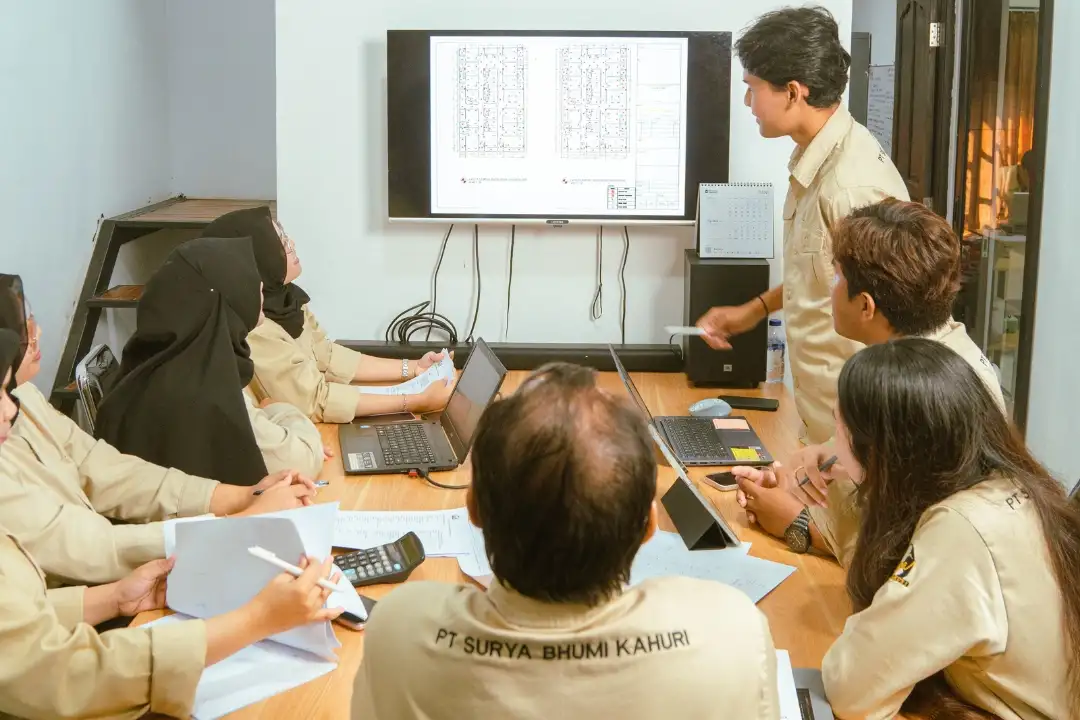
One common misunderstanding is thinking lead shielding is simply adding lead sheets behind walls.
In reality, specialist shielding work requires detailed planning.
The installation process needs to consider:
- Approved drawings
- Shielding specifications
- Material placement
- Wall and opening details
- Door and glass requirements
- Connection points
- Verification procedures
The shielding system becomes part of the building structure.
Once walls and finishes are completed, correcting mistakes can become difficult and expensive.
This is why planning must happen before construction reaches advanced stages.
A professional lead shielding installation process starts with understanding the medical space, not only the material itself.
Coordination Between Healthcare Systems
Radiology rooms are not isolated from the rest of the building.
They are connected to multiple systems.
A healthcare project requires coordination between:
- Structural elements
- Architectural finishes
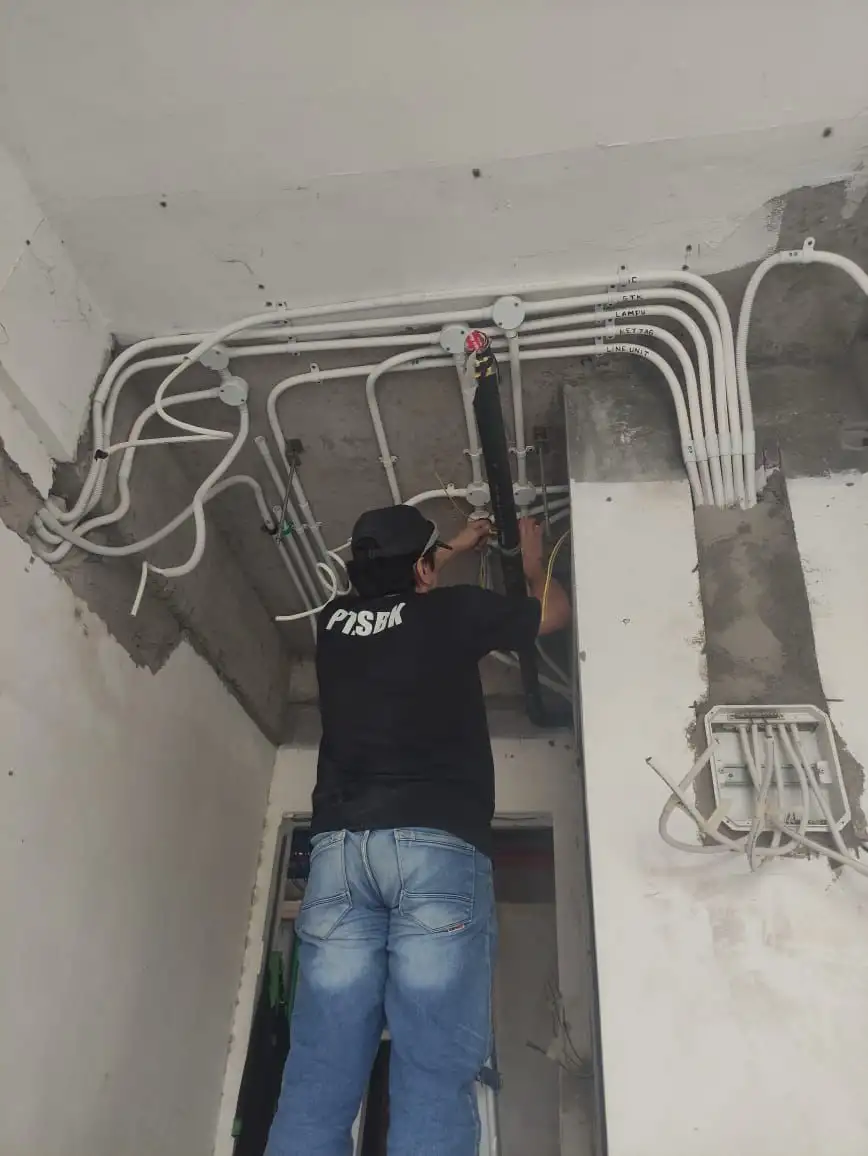
- Electrical systems
- HVAC systems
- Communication systems
- Medical equipment requirements
For example, medical imaging equipment requires appropriate electrical support.
The room layout needs to accommodate equipment movement and operation.
HVAC requirements may need to be coordinated with room conditions and technical requirements.
Access routes must support installation, maintenance, and future servicing.
This is why a specialist hospital contractor needs to understand the complete project environment.
The shielding work must fit within the wider healthcare facility.
Good coordination helps prevent:
- Installation conflicts
- Unnecessary revisions
- Delayed completion
- Difficult maintenance conditions
Specialist Installation Requires Precision
Healthcare construction requires attention to details.
This is especially true for radiation protection systems.
Unlike decorative finishes, shielding components directly relate to the technical performance of the room.
The installation team needs to understand:
- Where shielding is required
- How materials connect
- How openings are protected
- How construction details affect performance
Precision matters because healthcare facilities depend on predictable results.
A room may look complete from the outside, but the technical quality behind the walls determines whether the intended protection approach has been achieved.
This is why lead shielding should be handled by teams with relevant healthcare construction understanding.
Verification Before Healthcare Operation
Installation is only one stage of the process.
Before a radiology facility becomes operational, verification is an important step.
Verification helps confirm that the completed work follows the approved requirements.
Depending on the project process, verification may involve:
- Reviewing installation details
- Checking completed areas
- Confirming shielding components
- Reviewing project documentation
- Supporting required inspections
The purpose is to provide confidence that the room has been prepared correctly before medical operations begin.
For healthcare facilities, verification is not an optional final step.
It is part of responsible project delivery.
Why Healthcare Projects Need Experienced Contractors
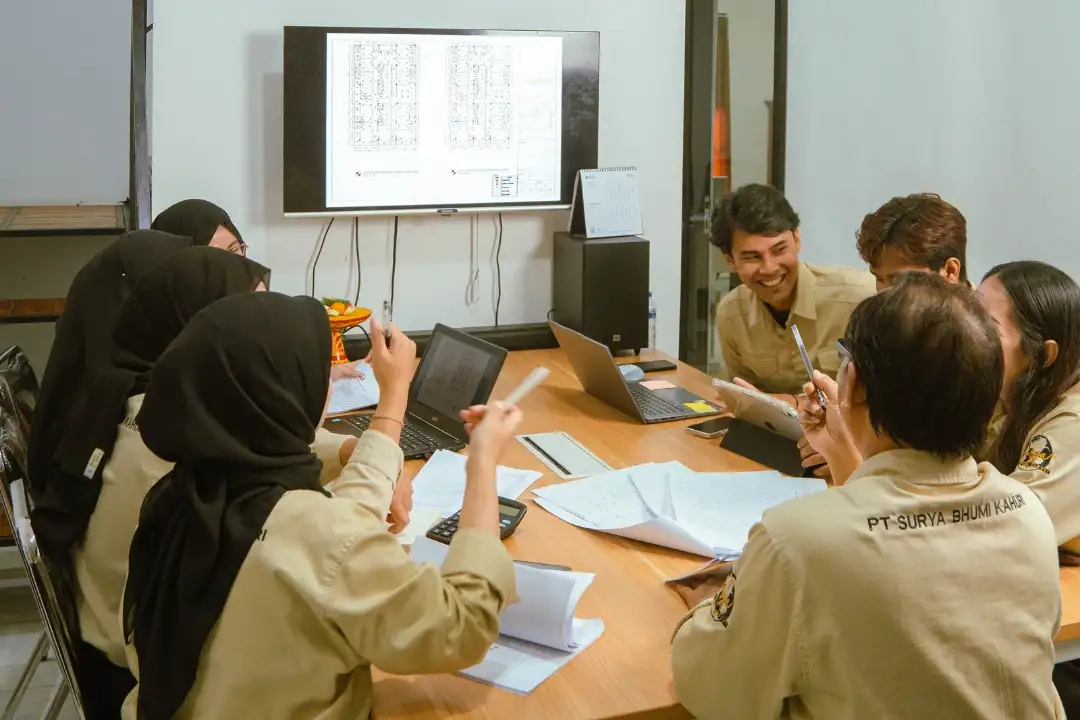
A healthcare facility combines many complex requirements.
The contractor must understand that medical spaces are not only construction areas.
They are operational environments.
A successful healthcare project requires:
- Technical coordination
- Accurate installation
- Safety awareness
- Documentation
- Testing and verification
- Long-term maintenance consideration
This is why experience matters.
A contractor that understands healthcare environments can better communicate with:
- Hospital management
- Consultants
- Medical equipment suppliers
- Main contractors
- Engineering teams
The goal is not simply completing construction.
The goal is delivering a facility that supports medical activities safely and reliably.
Lead Shielding as Part of SBK Healthcare Capability
PT. Surya Bhumi Kahuri provides integrated Building and MEP services for different project sectors, including healthcare facilities.
SBK’s capabilities include:
- Mechanical Systems
- Electrical Systems
- Plumbing Systems
- HVAC
- Fire Fighting Systems
- Electronic and Security Systems
- Lead Shielding
- Modular Operating Theatre
- Elevator Installation
- Maintenance
Lead shielding represents one of SBK’s specialist healthcare capabilities.
It supports medical facilities that require careful planning around radiation protection and specialist room construction.
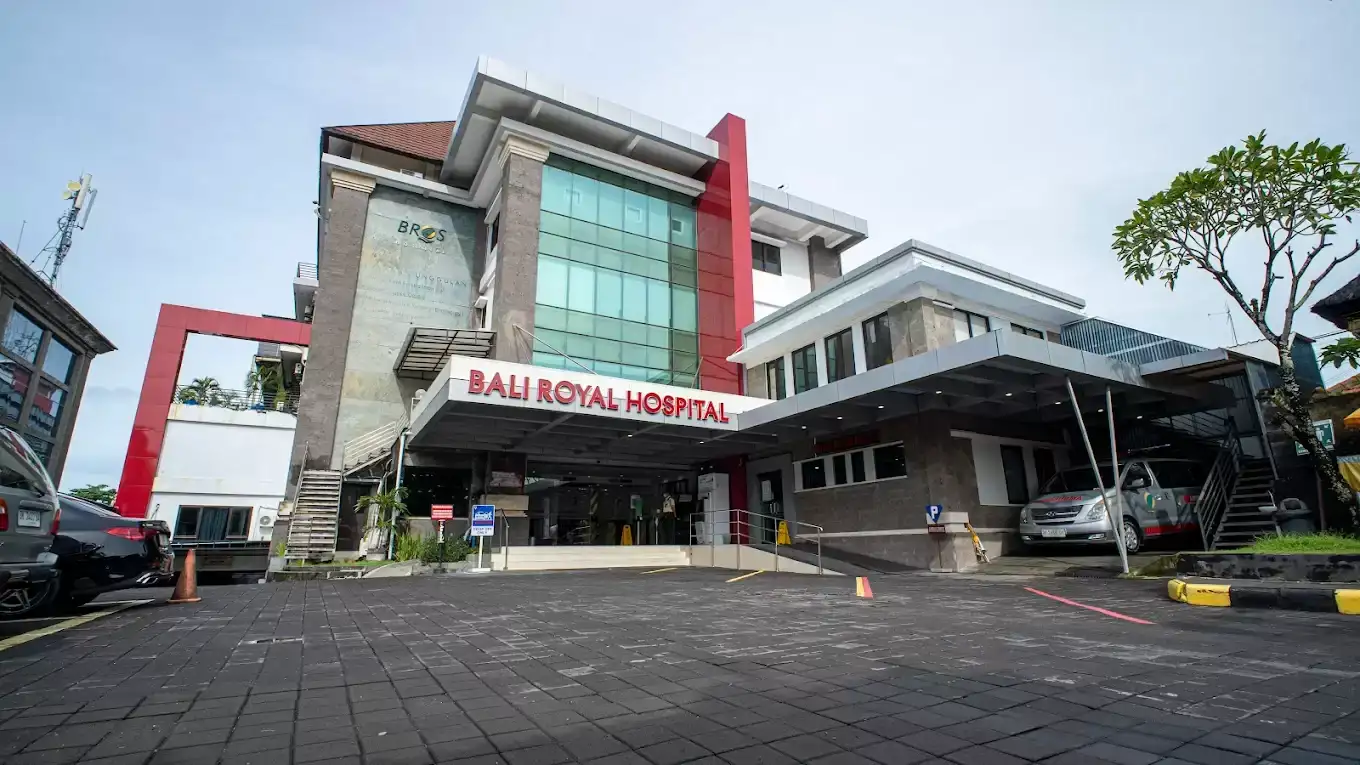
SBK also has documented healthcare project experience, including hospitals such as RS Udayana, Bali Royal Hospital, RSUD Buleleng, RS Bhayangkara Denpasar, RS Siloam Badung, RSUD Klungkung, and RSUD Sanjiwani Gianyar.
Specific project scopes should always follow confirmed project documentation.
One Team for Complex Healthcare Requirements

Healthcare buildings require different systems to work together.
Medical equipment needs suitable infrastructure.
Radiology rooms need specialist protection.
HVAC systems support controlled environments.
Electrical systems support critical operations.
Safety systems need to remain reliable.
This is why SBK follows the principle:
One Team for All Building Systems.
Through integrated coordination, SBK helps healthcare projects manage connected requirements from planning, installation, testing, documentation, and maintenance.
For hospitals, medical facility developers, consultants, and project owners, lead shielding is not simply a construction material.
It is part of creating a safer environment where healthcare technology can operate properly.
Because in medical facilities, every technical detail supports a bigger purpose:
Protecting the people who use the building every day.