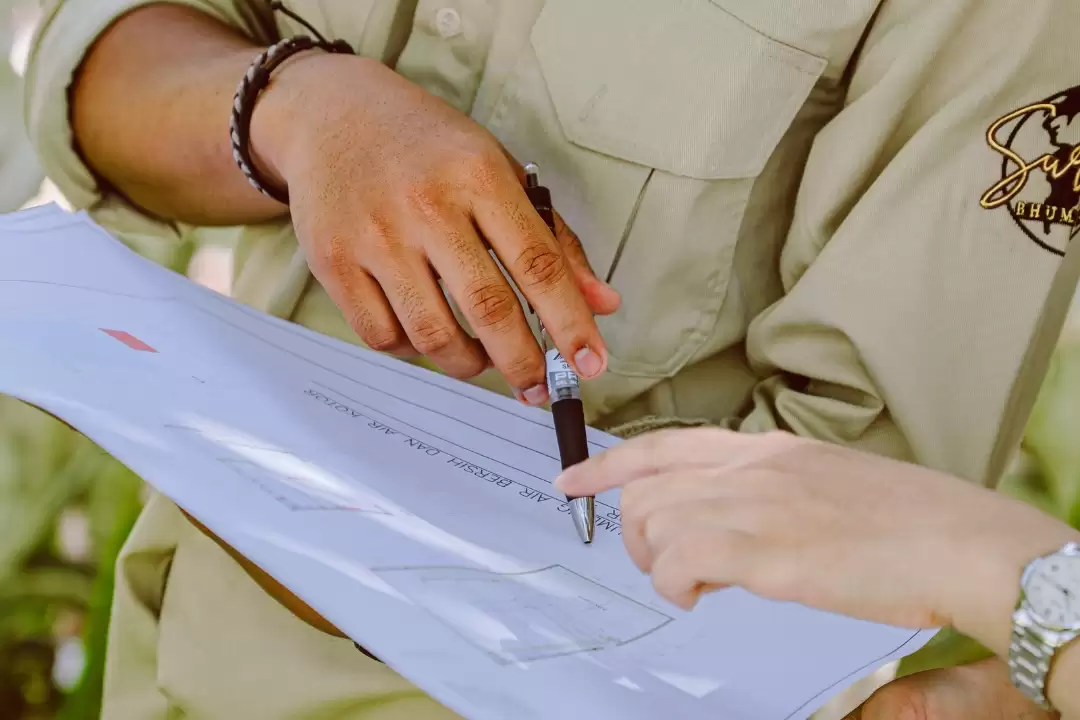

How MEP Work Supported the Istana Kepresidenan Tampaksiring Project
Working on an important government facility requires more than the ability to complete a technical installation.
The contractor must understand the approved scope, coordinate with multiple project parties, follow structured procedures, document progress, and maintain consistent quality throughout the work.
The Istana Tampaksiring project is part of PT. Surya Bhumi Kahuri’s documented government-sector portfolio.
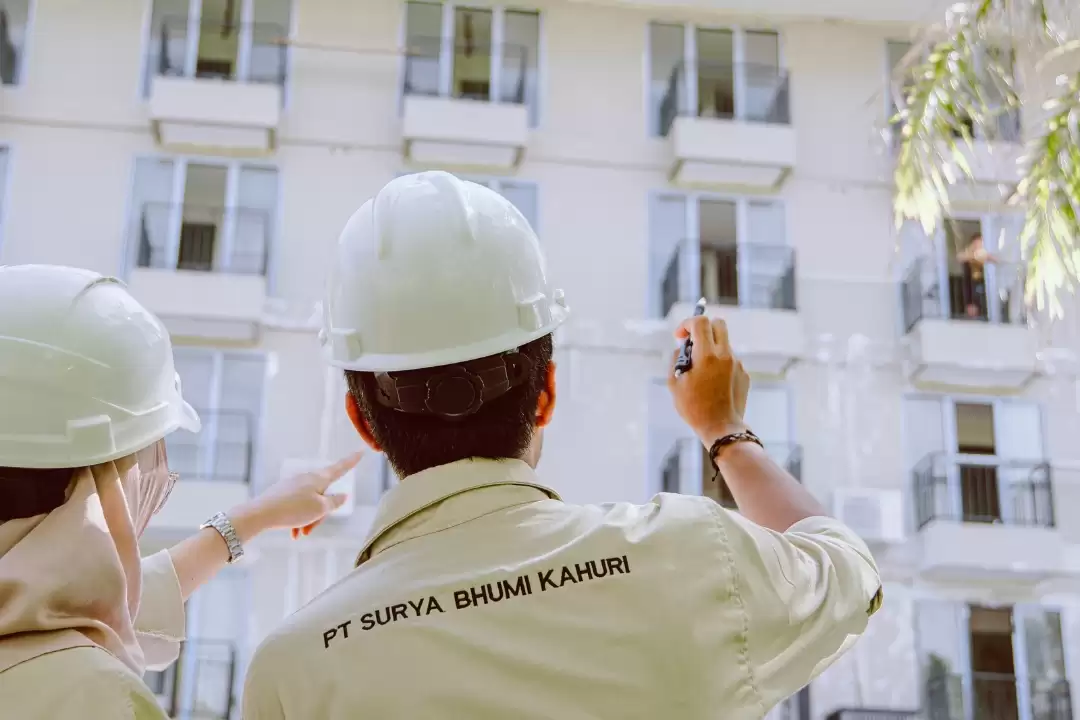
Located in Tampaksiring, Bali, the project represents relevant experience for SBK as a Building and MEP contractor working within a recognizable government property.
The available project information confirms SBK’s involvement. However, it does not yet provide a complete breakdown of the exact Mechanical, Electrical, Plumbing, HVAC, fire-protection, or supporting systems included in SBK’s package.
For that reason, this portfolio article does not claim that SBK handled every building system within the property.
Instead, it focuses on what the confirmed experience demonstrates: participation in a real government project environment where coordination, disciplined execution, documentation, and quality control matter.
That is more credible than expanding the scope through unsupported claims.
Government Projects Require Structured Execution
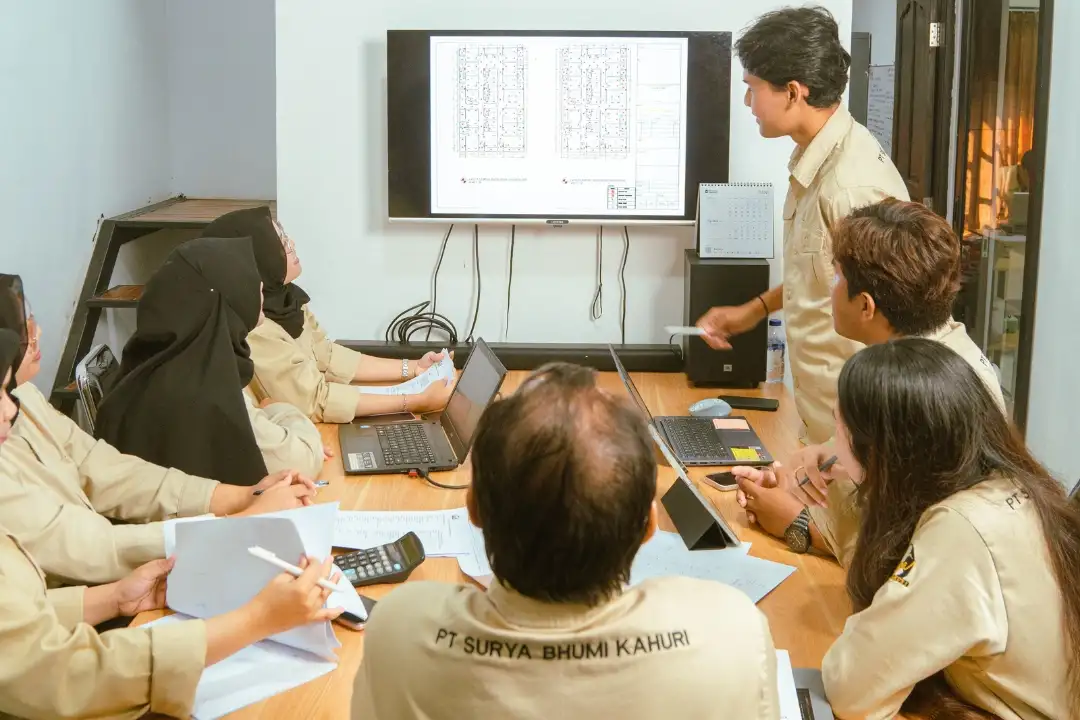
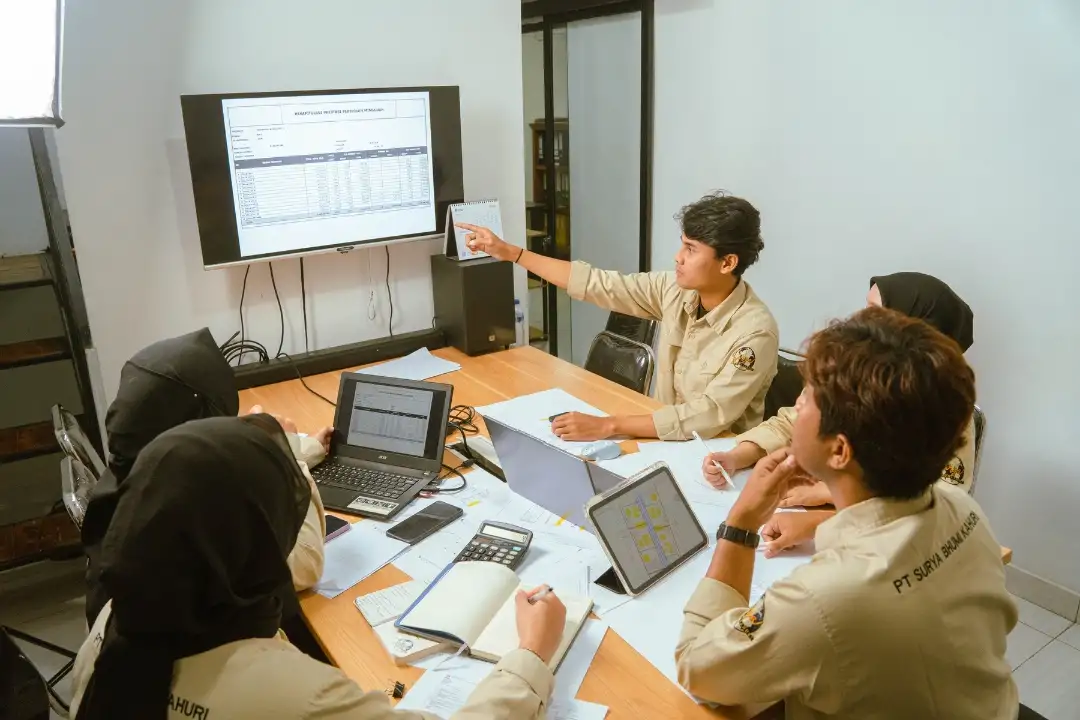
A government building project may involve project owners, consultants, supervisors, main contractors, procurement teams, suppliers, and specialist vendors.
Each party has different responsibilities, but all of them need to work toward the same approved project requirements.
For a technical contractor, this means the work cannot depend only on informal site decisions.
The team must understand:
- The confirmed contract scope
- Approved drawings and technical instructions
- Installation areas and site access
- Coordination with other contractors
- Inspection requirements
- Reporting procedures
- Testing responsibilities
- Handover documentation
A capable government MEP contractor needs to bring more than technicians and equipment to the site.
It must bring an organised working process.
Without clear coordination, even technically correct work can create problems for another system or delay the next construction stage.
Why MEP Coordination Matters
Mechanical, Electrical, and Plumbing systems share the same building.
Electrical cables, plumbing pipes, mechanical equipment, ducting, fire-protection components, communication systems, and other technical installations may need to occupy the same walls, ceilings, shafts, or service areas.
This creates a significant coordination challenge.
An electrical route may conflict with a mechanical installation. A plumbing line may need to pass through an area affected by structural work. Equipment may be positioned correctly according to one drawing but become difficult to access after architectural finishing is completed.
These problems are not always caused by poor workmanship.
They can happen when different teams work from separate information or when changes are not communicated clearly.
Professional MEP coordination helps the team:
Compare technical and architectural requirements
- Review actual site conditions
- Identify potential installation conflicts
- Confirm work sequences
- Protect access for inspection and maintenance
- Record revisions
- Clarify responsibilities
- Reduce unnecessary rework
For a project such as the Istana Kepresidenan Tampaksiring, structured coordination helps protect both technical quality and the wider construction process.
Working From Confirmed Information
One of the foundations of professional construction work is ensuring that teams use the latest approved information.
Drawings may change during a project.
A room layout can be revised. An equipment location may move. Access conditions may differ from the original plan. Another contractor’s work may affect the proposed MEP route.
When this happens, the engineering team should not continue based only on assumptions.
The revision needs to be reviewed, communicated, and documented.
This is important because one change can affect several systems.
Moving equipment may alter its electrical supply, supporting structure, access, controls, piping, drainage, or relationship with nearby installations.
Without an organised revision process, different teams may work from different versions of the same plan.
A professional MEP contractor Bali project owners can rely on should therefore establish clear communication between field teams, supervisors, consultants, and project representatives.
Confirmed Scope Must Guide Every Portfolio Claim
The strongest construction portfolios are not always the ones with the biggest claims.
They are the ones that present real work accurately.
PT. Surya Bhumi Kahuri’s involvement in the Istana Kepresidenan Tampaksiring project is confirmed in the company’s portfolio information. However, the detailed package of work is not included in the current master material.
This means terms such as electrical installation and plumbing contractor should not be used to describe SBK’s specific work at this project unless supporting records confirm those responsibilities.
Electrical installation can refer to anything from selected connections to wider power-distribution work.
Plumbing work can range from a limited system component to complete clean-water, wastewater, drainage, and supporting installations.
Presenting either service as confirmed without documentation could give potential clients an inaccurate understanding of SBK’s role.
The correct approach is to publish:
- The confirmed project name
- The correct location
- Genuine project documentation
- Accurate captions
- The verified work scope
- The actual execution process
Additional technical details can be included after reviewing work orders, contracts, drawings, inspection reports, or handover documents.
This protects the credibility of both SBK and the client.
Quality Starts Before Installation
Quality is not created only during final inspection.
It begins when the team reviews the scope, drawings, materials, site conditions, and installation plan.
A structured quality process may involve:
- Reviewing approved technical information
- Checking materials before installation
- Confirming routes and equipment positions
- Supervising site execution
- Inspecting work before it becomes concealed
- Recording progress and corrections
- Conducting required tests
- Preparing completion documents
The exact procedure depends on the confirmed project scope, but the principle remains the same.
Every stage should prepare the work for the next one.
For example, an installation behind a ceiling should be inspected before the ceiling is closed. A route should be checked before finishing work makes access difficult. Equipment should be positioned with enough space for future inspection and maintenance.
Correcting a problem early is usually more manageable than reopening a completed area later.
Clean and Accessible Installation
Professional building-system work should not only function.
It should also remain organised, understandable, and accessible.
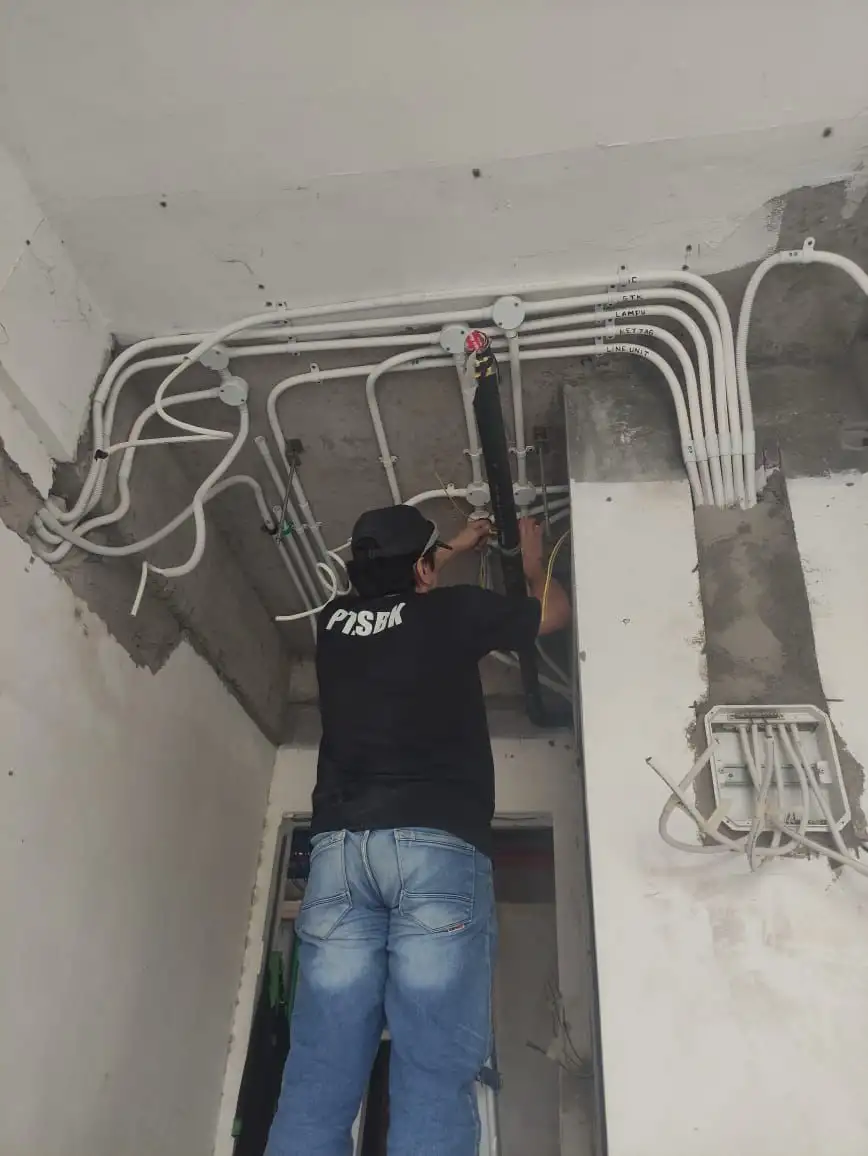
Clean routes, suitable supports, clear identification, and practical equipment access can make future inspection and maintenance easier.
This matters in every project, but it becomes particularly important in facilities expected to remain operational for the long term.
An installation that looks organised also helps consultants, supervisors, and facility teams review the work more efficiently.
Quality is therefore not only about what occupants can see after completion.
It also includes the technical areas behind walls, ceilings, panels, shafts, and service rooms.
A disciplined Bali contractor should consider the people who will inspect, operate, and maintain the system after the construction team leaves.
Documentation Creates Accountability
Construction work moves through many stages, and important technical components may later become hidden.
Documentation helps preserve a record of what happened during the project.
Depending on the assigned scope, documentation may include:
- Site photographs
- Progress reports
- Inspection records
- Material information
- Drawing revisions
- Technical findings
- Testing results
- Corrective actions
- Completion records
These records help project representatives understand what has been completed and what still requires attention.
They can also support future maintenance by providing information about installed systems and important project decisions.
For government clients, consultants, and procurement teams, this level of documentation helps create clearer accountability.
It demonstrates that the contractor is not only focused on completing visible work, but also on maintaining a traceable project process.
Communication Supports Quality
Technical expertise alone is not enough when communication is weak.
A site issue that is reported early may be resolved before it affects multiple teams. The same issue, left unreported, can result in rework, delays, or unclear responsibility.
Professional communication requires:
- A clear project contact
- Regular progress updates
- Timely technical reporting
- Recorded instructions
- Approved revisions
- Coordination between affected teams
- Clear follow-up on outstanding items
Good communication does not mean sending unnecessary messages.
It means ensuring that accurate information reaches the right decision-maker before the issue becomes more difficult to manage.
This is particularly important in government projects, where several parties may be involved in technical review, approval, inspection, and handover.
What the Istana Tampaksiring Project Adds to SBK’s Portfolio
The value of the Istana Tampaksiring project comes from its role as a real and recognizable government-sector reference.
It supports the credibility of SBK’s wider construction portfolio, which includes projects across government, healthcare, hospitality, commercial, banking, residential, and public facilities.
This experience shows that SBK is not positioned as a small vendor handling only one technical service.
The company has participated in project environments involving different building functions, stakeholders, and operational requirements.
For future clients, this matters.
Developers, government institutions, consultants, hospitals, hotels, and main contractors need partners that can adapt their execution process to the type of building and project structure involved.
The Istana Kepresidenan Tampaksiring experience provides relevant social proof without requiring exaggerated statements.
A real project name, supported by company records and genuine documentation, is stronger than a general claim of being the best contractor.
One Team for All Building Systems
PT. Surya Bhumi Kahuri provides integrated capabilities across Building Construction, Mechanical, Electrical, Plumbing, HVAC, Fire Fighting, Electronic and Security Systems, Lead Shielding, Modular Operating Theatre, Elevator Installation, and Maintenance.
Its involvement in the Istana Kepresidenan Tampaksiring project forms part of the company’s experience in government facilities.
The project should be presented for what it genuinely proves:
SBK has participated in a recognizable government project in Bali and understands the importance of structured coordination, disciplined execution, documentation, and quality control.
Through the principle of One Team for All Building Systems, SBK aims to simplify coordination and provide clearer responsibility across every confirmed project scope.
Not through unsupported claims.
Through real projects, professional processes, and work that can be documented.