How Professional Electrical Installation Reduces Project Risk
Electricity is one of the most important systems inside any modern building.
From lighting and equipment to HVAC systems, security devices, communication systems, and operational machinery, almost every part of a commercial building depends on reliable electrical infrastructure.
However, electrical problems can create serious consequences.
A poor connection can affect equipment performance.
Incorrect load planning can create operational issues.
Poor cable management can make future maintenance difficult.
Incomplete testing can allow problems to remain hidden until the building is already operating.
This is why choosing the right electrical installation contractor is not only about completing installation work.
It is about reducing project risks before they become expensive repairs, operational interruptions, or safety concerns.
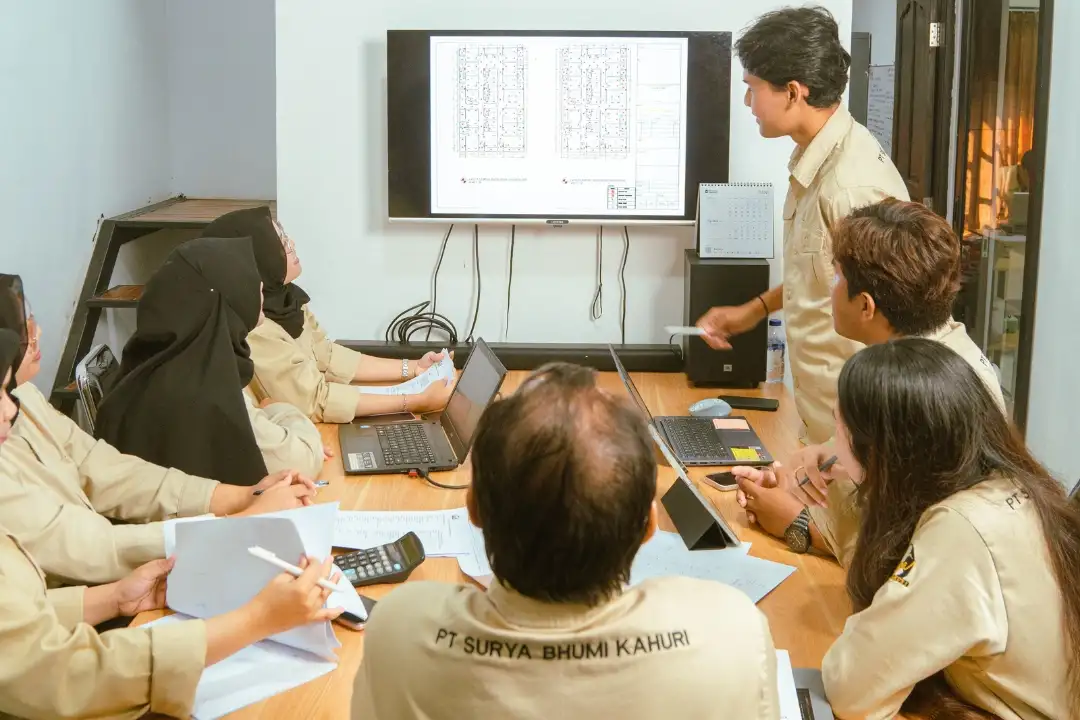
Professional electrical installation combines planning, engineering analysis, quality materials, organised execution, testing, documentation, and long-term maintenance considerations.
For developers, consultants, property owners, and main contractors, the value is clear:
A properly designed and installed electrical system supports safer operation, better reliability, and easier building management.
Electrical Planning Starts Before Installation
One of the biggest mistakes in electrical projects is thinking that installation begins when cables and panels arrive on site.
In reality, professional electrical work starts much earlier.
The planning stage determines whether the electrical system can support the building’s actual requirements.
Before installation begins, the technical team needs to understand:
- Building function
- Required equipment
- Electrical loads
- System requirements
- Future operational needs
- Installation conditions
- Coordination with other MEP systems
A hospital, hotel, office, retail building, and residential property may all require electricity, but their electrical priorities can be very different.
A commercial building may have different power requirements for:
- Lighting systems
- Air-conditioning equipment
- Elevators
- Pumps
- Kitchen equipment
- Security systems
- Communication systems
- Operational machinery
Without proper planning, the electrical system may not match the building’s actual needs.
This can create risks such as:
- Insufficient capacity
- Additional modifications
- Equipment limitations
- Increased operational costs
- Future expansion difficulties
A professional building electrical system begins with understanding how the building will operate, not only where cables need to be installed.
Material Selection Affects System Reliability
Electrical systems depend on many components working together.
The quality and suitability of materials can influence long-term performance.
Professional electrical services do not focus only on finding available products.
The team must consider whether materials match the project requirements.
This includes reviewing:
- Cable specifications
- Panel components
- Protection devices
- Switchgear
- Electrical accessories
- Supporting equipment
- Installation conditions
Using unsuitable materials may create problems later.
For example, a component that does not match the required load, environment, or operating conditions may reduce system reliability.
Material selection should also consider:
- Safety requirements
- Maintenance needs
- Equipment compatibility
- Project specifications
- Future replacement requirements
A professional contractor understands that electrical quality is built from many individual decisions.
Every cable, connection, and component contributes to the overall system performance.
Load Calculation Prevents Future Problems
One important part of electrical planning is understanding the building’s electrical demand.
Electrical systems need to provide enough capacity for current requirements while considering operational conditions.
Incorrect load calculation can create problems such as:
- Overloaded circuits
- Equipment performance issues
- Unexpected shutdowns
- Limited future flexibility
Load calculation helps determine the appropriate electrical design based on the expected usage of the building.
The technical team needs to evaluate:
- Connected equipment
- Expected power consumption
- Simultaneous usage
- Distribution requirements
- Protection requirements
This process helps determine suitable system capacity before installation begins.
For a commercial property, electrical demand may change depending on operating hours, equipment usage, tenant requirements, or future expansion.
A well-planned electrical system provides a stronger foundation because it is designed around actual building needs.
Professional Panel Installation Improves Control and Safety

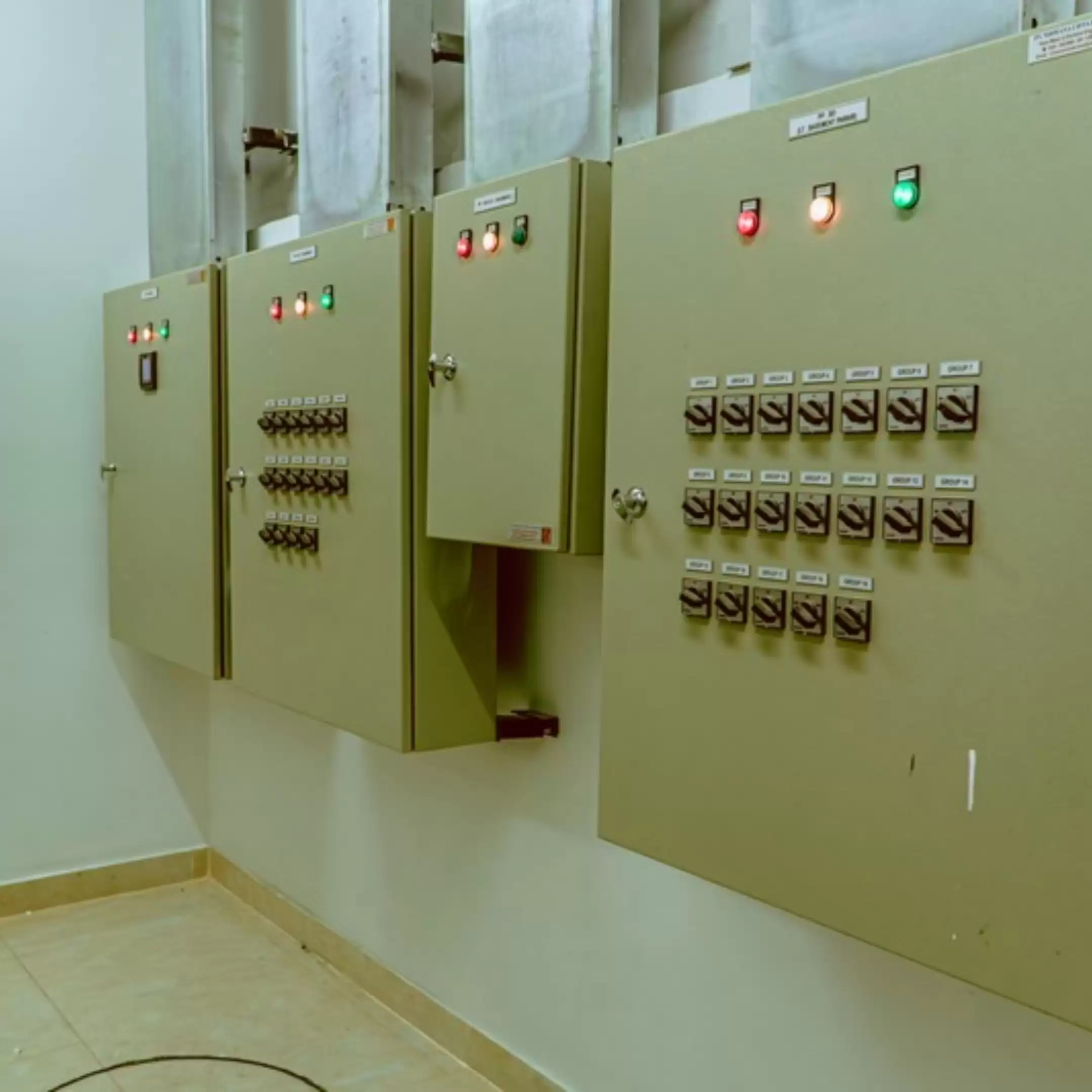
The electrical panel is one of the most important parts of a building electrical system.
It acts as a control and distribution point for electrical circuits throughout the property.
A professional panel installation process focuses on more than mounting the equipment.
The team must consider:
- Panel location
- Accessibility
- Internal organisation
- Circuit arrangement
- Protection devices
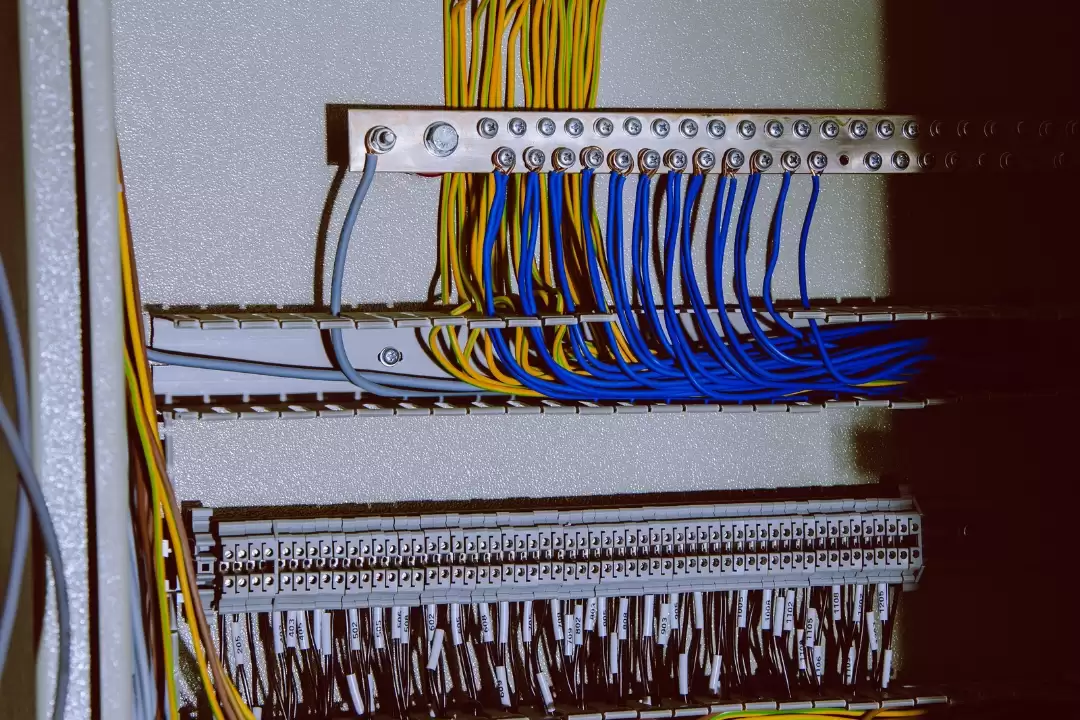
- Cable connections
- Future maintenance access
A well-organised panel helps engineers and maintenance teams understand the system more easily.
Clear arrangement and identification support:
- Faster inspection
- Easier troubleshooting
- Safer maintenance
- Better documentation
Poor panel installation may create confusion later.
Unclear circuits, difficult access, or disorganised connections can increase the time needed to identify problems.
A panel should not only work on the day of installation.
It should remain understandable throughout the building’s operational life.
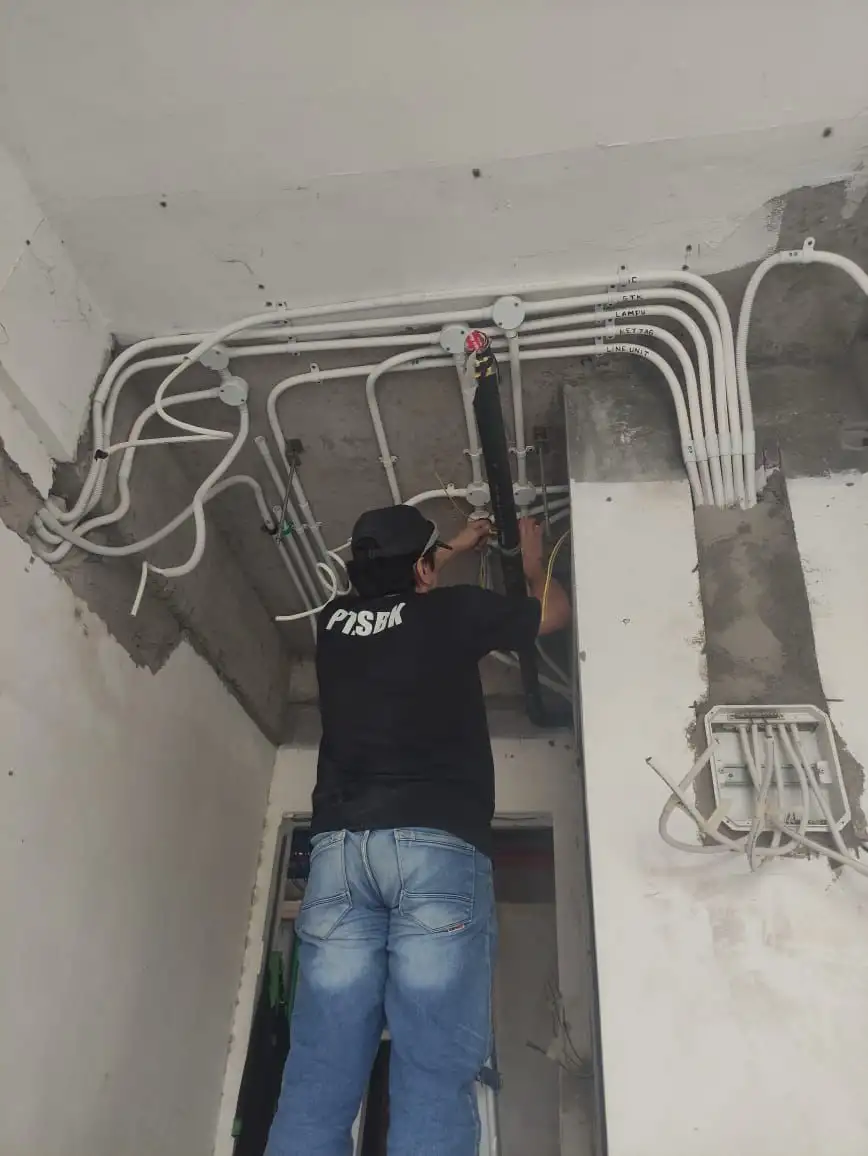
Cable Management Reduces Installation Risk
Cables are everywhere inside modern buildings.
They supply power to lights, equipment, panels, mechanical systems, communication devices, and security infrastructure.
However, cable installation requires careful management.
Poor cable management can create:
- Difficult maintenance
- Confusing identification
- Installation conflicts
- Safety concerns
- Longer troubleshooting time
Professional cable management considers:
- Cable routes
- Separation requirements
- Support systems
- Labelling
- Accessibility
- Future inspection needs
Electrical cables also need coordination with other building systems.
Above ceilings and inside service areas, cables may share space with:
- HVAC ducting
- Plumbing pipes
- Fire protection systems
- Communication infrastructure
Without proper coordination, installation conflicts can occur.
A professional electrical installation contractor reviews these relationships before problems appear on site.
The result is a cleaner installation that supports easier operation and maintenance.
Grounding Supports Electrical Safety
A reliable electrical system requires more than supplying power.
It also needs protection.
A grounding system is an important part of electrical safety because it supports the proper handling of electrical faults according to the approved design requirements.
Grounding systems need careful planning and installation.
The technical team must consider:
- Grounding requirements
- Connection points
- Equipment requirements
- Testing procedures
- Inspection standards
Incorrect grounding can create safety concerns and affect system reliability.
Because grounding is often hidden after construction is completed, inspection and testing during the project stage are important.
Professional contractors understand that safety systems should not be treated as secondary work.
They are part of the foundation of a reliable building.
Testing Confirms Installation Quality
Installation completion does not automatically mean the electrical system is ready.
Testing is a critical stage before handover.
A system may look complete but still require verification.
Professional electrical testing may involve checking:
- Connections
- Panel operation
- Circuit performance
- Protection devices
- Grounding conditions
- System functionality
Testing helps identify problems before the building becomes fully operational.
Discovering an electrical issue after handover can be more complicated because:
- Areas may already be occupied
- Access may become limited
- Operations may be affected
- Additional coordination may be required
A proper testing process provides confidence that the installed system performs according to the project requirements.
Testing is not only a final checklist item.
It is part of reducing future risk.
Clear Labelling Supports Long-Term Maintenance

Electrical systems often remain inside buildings for many years.
Future engineering teams need to understand what was installed and how the system is organised.
This is why labelling is important.
Clear labels help identify:
- Panels
- Circuits
- Equipment connections
- Cable routes
- System components
Without proper labelling, even simple maintenance tasks can become more difficult.
Technicians may spend additional time tracing connections or identifying equipment.
Good documentation and labelling support:
- Faster troubleshooting
- Safer maintenance
- Better system management
- Easier future modifications
Small details during construction can create significant value during the operational stage.
Electrical Maintenance Protects Long-Term Performance
Electrical installation does not end when the project is handed over.
Like other building systems, electrical infrastructure requires ongoing attention.
Regular electrical maintenance helps identify issues before they become larger problems.
Maintenance activities may include:
- System inspection
- Panel checks
- Connection review
- Performance monitoring
- Equipment assessment
- Safety verification
Preventive maintenance helps protect:
- Equipment reliability
- Building operations
- System lifespan
- Safety performance
For commercial buildings, downtime can affect business activities.
A hotel, hospital, office, retail property, or government facility depends on electrical systems working consistently.
Maintenance is therefore not only a repair activity.
It is part of protecting the building investment.
Electrical Systems Must Work With the Whole Building
Electrical systems are connected to almost every other building service.
HVAC equipment requires electrical supply.
Fire protection systems depend on electrical support.
Security systems require power and communication infrastructure.
Elevators depend on reliable electrical systems.
This is why electrical installation should be considered as part of an integrated building approach.
PT. Surya Bhumi Kahuri provides Electrical Systems as part of its wider Building and MEP capabilities.
SBK’s services include:
- Electrical installation
- Electrical panels
- Power distribution
- Lighting systems
- Grounding systems
- Generator installation
- Transformer systems
- Data and communication systems
- Maintenance support
These services are coordinated with other building systems, including Mechanical, Plumbing, HVAC, Fire Fighting, Electronic and Security Systems, Elevator Installation, Lead Shielding, Modular Operating Theatre, and General Construction.
Through the principle of One Team for All Building Systems, SBK helps clients manage connected technical requirements through one coordinated project structure.
Choosing Professional Electrical Services Reduces Future Risk
Electrical problems rarely begin with a major failure.
They often start with small decisions made during planning, installation, testing, or maintenance.
A cable route that was not reviewed.
A connection that was not checked.
A panel that was not organised properly.
A system that was not tested completely.
A label that was forgotten.
Professional electrical installation reduces these risks by focusing on every stage of the process.
From planning and material selection to load calculation, panel installation, testing, labelling, and maintenance, every detail contributes to a safer and more reliable building.
Because a successful electrical system is not only one that provides power.
It is one that continues supporting the building safely for years after construction is complete.