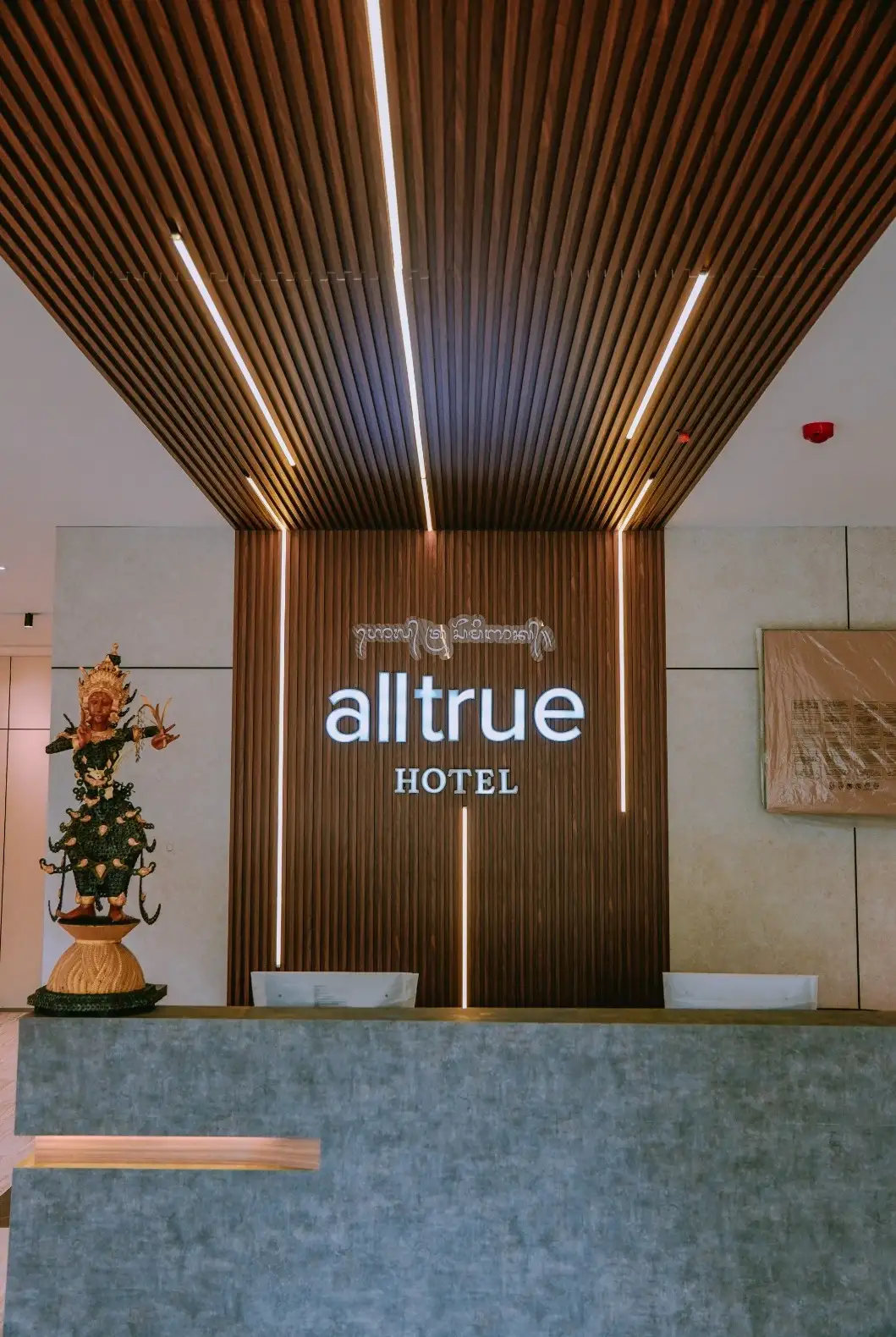
How SBK Delivered Integrated MEP Systems for Hotel Alltrue Seminyak
Guests may remember a hotel for its rooms, service, location, and atmosphere. Behind that experience, however, multiple building systems must work together every day.
Electricity must remain reliable. Communication systems must connect the required areas. Fire alarm systems must support building safety. Mechanical systems must be properly coordinated with the architecture and operational needs of the property.
These systems are rarely visible to guests, but their performance affects almost every part of hotel operations.
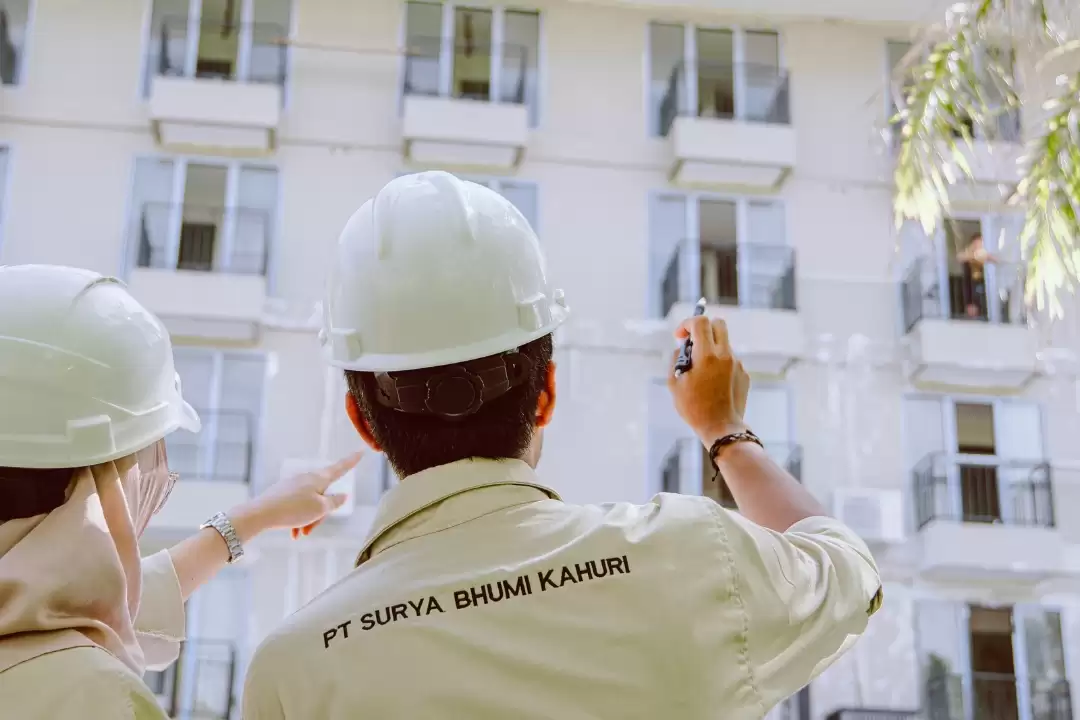
The Hotel Alltrue Seminyak project is part of PT. Surya Bhumi Kahuri’s hospitality portfolio in Bali. Through this project, SBK demonstrated how integrated Mechanical, Electrical, and Plumbing coordination can support a hotel building through one connected scope of work.
Located in Seminyak, Bali, Hotel Alltrue required more than individual technical installations. The project needed a contractor capable of understanding how different building systems would interact within an operating hospitality environment.
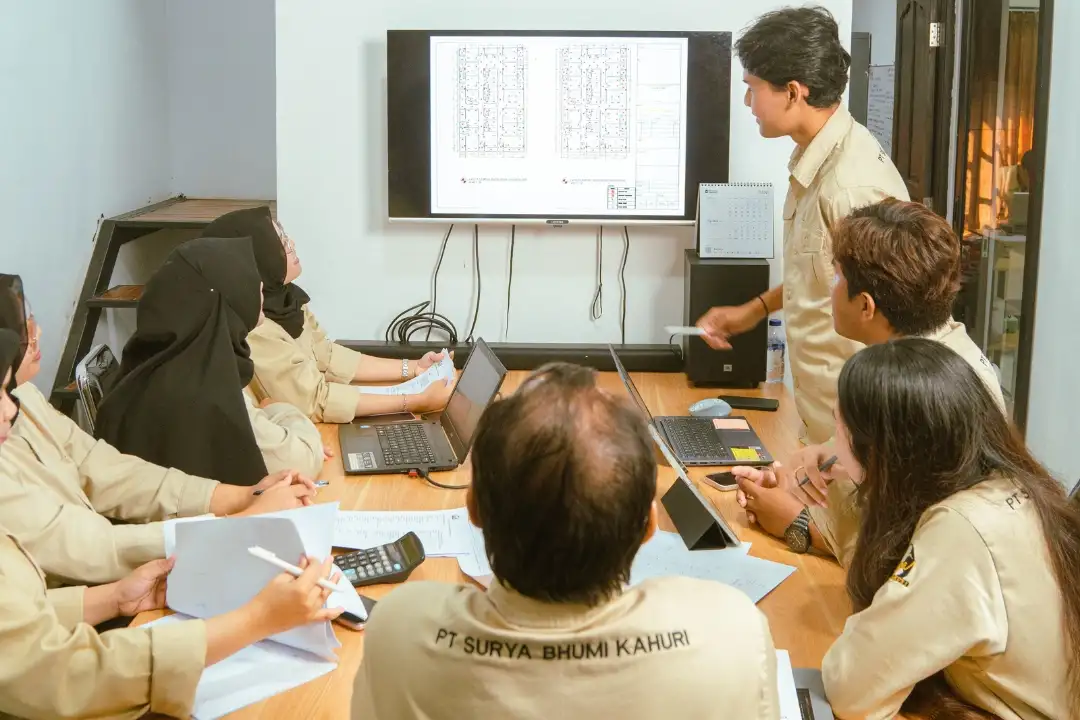
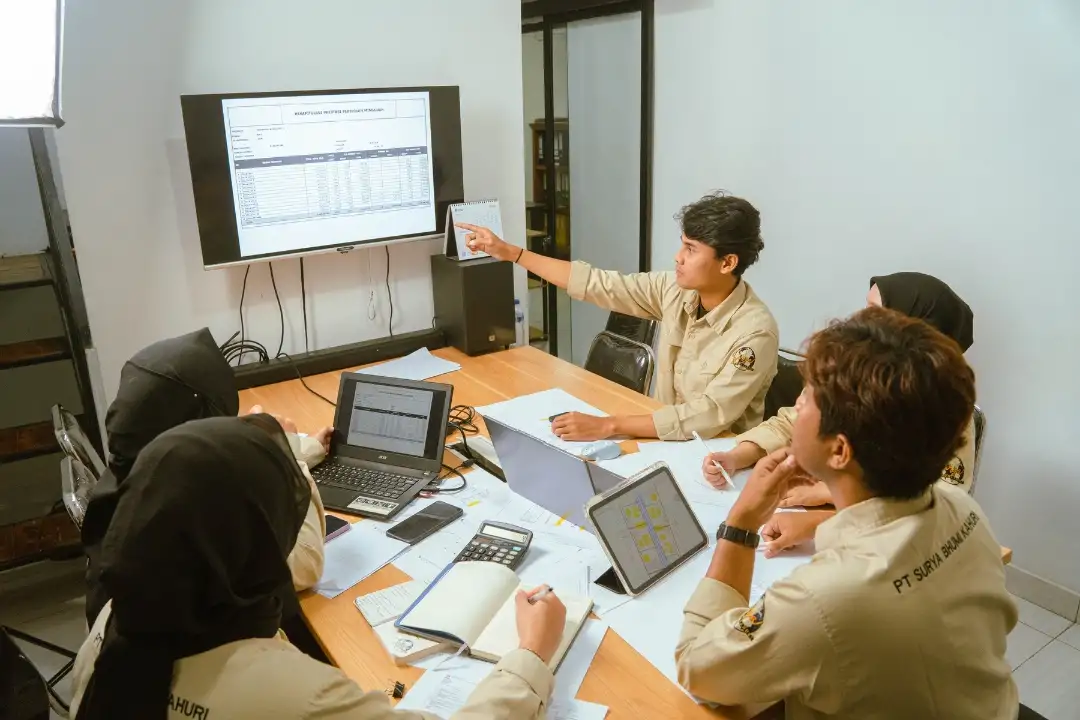
Instead of treating each service as a separate task, SBK approached the project through integrated coordination.
This reflects the company’s central principle:
One Team for All Building Systems.
Understanding the Needs of a Hospitality Project
A hotel has different operational requirements from a private residence or a small commercial property.
Its systems must support multiple rooms, public areas, staff operations, service areas, safety procedures, communication, and ongoing maintenance. Technical problems can affect not only one room, but also the experience of guests and the daily work of hotel teams.
This makes coordination an important part of every hospitality project.
Electrical systems, mechanical equipment, telephone networks, fire alarms, architectural elements, and other technical components cannot be planned in isolation. They must be installed within the same building structure while remaining accessible for inspection and maintenance.
Hotel projects also involve coordination between several parties, including:
- Project owners
- Architects
- Consultants
- Main contractors
- Interior teams
- Equipment suppliers
- Hotel management
- Engineering personnel
- MEP contractors
When these parties work with separate technical vendors, communication can become increasingly complicated. A decision made by one team may affect another system without being identified early enough.
A professional hotel MEP contractor helps reduce this risk by coordinating multiple technical requirements within one structured scope.
Integrated MEP Work at Hotel Alltrue Seminyak
The work associated with Hotel Alltrue Seminyak included integrated MEP requirements alongside important supporting systems such as telephone infrastructure and fire alarm installation.
Rather than viewing each system as an independent installation, SBK coordinated the work as part of the building’s wider operational requirements.
This type of coordination is important because hotel systems are connected in practical ways.
Electrical infrastructure supports communication devices and alarm equipment. Mechanical services must be positioned according to architectural and structural conditions. Fire alarm devices must be coordinated with room layouts, ceilings, public areas, and operational access.
Even when individual systems are installed by specialised personnel, the overall project still requires one clear direction.
The value of integrated MEP work is not simply that several services are available from the same company. The greater value lies in how those services are planned, communicated, and coordinated throughout the project.
For the client, this can create:
- Clearer communication between technical teams
- Fewer overlapping responsibilities
- Better coordination between systems
- More consistent project documentation
- Easier identification of technical issues
- Stronger continuity from installation to operational support
This integrated capability is an important part of SBK’s approach to MEP installation Bali projects.
Electrical Installation for Hotel Operations
Electrical systems are among the most important elements of a hotel building.
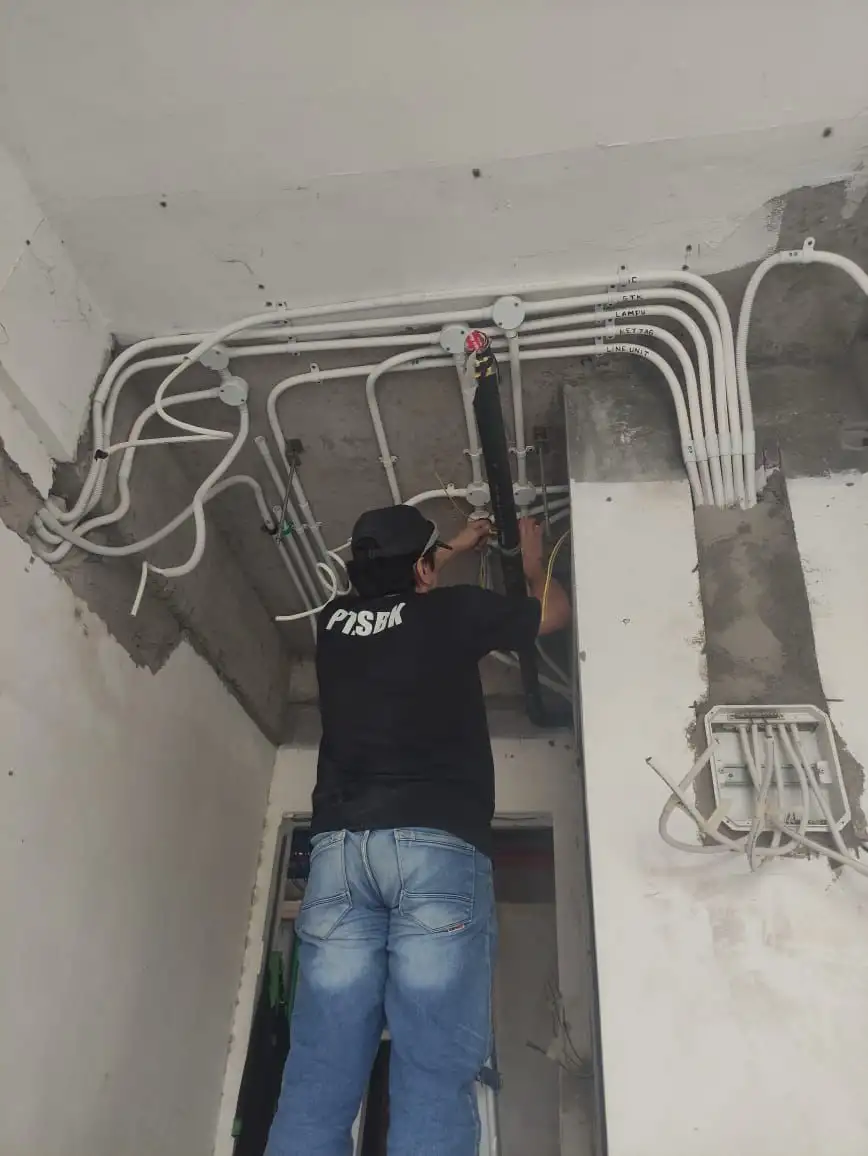
Every guest room, corridor, service area, public space, operational room, and technical facility depends on a stable electrical network. Lighting, communication equipment, alarms, mechanical systems, and other building functions all require properly coordinated power distribution.
For a hospitality property, electrical work is not only about installing cables, switches, sockets, or panels. It must support the way the hotel operates.
A professional electrical installation process requires attention to:
- Building layouts
- Equipment requirements
- Power distribution
- Cable organisation
- Panel coordination
- Safety considerations
- Access for inspection
- Future maintenance requirements
The electrical scope must also remain aligned with other systems.
For example, the location of a telephone device, alarm component, or mechanical unit may require electrical support. If those requirements are identified too late, the project may need additional cable routes, ceiling work, or installation revisions.
Integrated coordination helps the electrical team understand these connections before they become site problems.
At Hotel Alltrue Seminyak, the electrical work formed part of a broader building-system approach rather than being handled as an isolated technical package.
Mechanical Services Within a Hotel Environment
Hotel buildings rely on mechanical systems to support daily comfort and operational performance.
The exact technical requirements may differ depending on room types, public areas, service spaces, and the final building design. However, all mechanical work needs to be coordinated with architecture, electrical infrastructure, ceiling conditions, access points, and other technical installations.
This is where professional mechanical services become important.
A mechanical installation may look complete from the outside, but effective performance depends on planning behind the visible equipment.
The team must consider:
- Equipment placement
- Connection requirements
- Space limitations
- Access for maintenance
- Coordination with electrical systems
- Integration with ceilings and walls
- Operational requirements
- Testing and future inspection
In a hotel project, mechanical systems must also be planned with minimal disruption to the property’s daily activities after handover.
Equipment and supporting components should remain accessible to the engineering team. Technical areas should be organised clearly. Maintenance requirements should be considered during installation rather than after the building begins operating.
The Hotel Alltrue Seminyak project demonstrates why hotel owners need a contractor that understands the entire building, not only one piece of equipment.
Telephone Infrastructure as an Operational System
Telephone systems may receive less attention than visible architectural features, but they remain an important part of hotel communication.
A hotel may require communication between guest rooms, reception, management, engineering, security, service teams, and other operational areas.
Reliable telephone infrastructure helps support that communication.
Its installation may involve:
- Device locations
- Cable planning
- Connection points
- Coordination with electrical work
- Integration with building layouts
- Access for troubleshooting
- Future system maintenance
Telephone systems should not be installed as an afterthought.
Their cable routes and equipment requirements need to be coordinated with electrical networks, ceilings, walls, interior work, and other electronic systems. Poor planning can result in difficult maintenance access or unnecessary revisions later in the project.
By including telephone infrastructure within the integrated project scope, SBK helped bring the communication system into the same coordination process as the other building services.
This is one of the advantages of working with an integrated contractor.
The project owner does not need to manage the telephone system as a completely separate technical issue. It becomes part of one connected building-system plan.
Fire Alarm Installation and Hotel Safety
A fire alarm system is a critical part of building safety.
Within a hotel, the system must support spaces used by guests, employees, visitors, and operational teams. Devices need to be positioned according to the building layout and coordinated with ceilings, electrical systems, public areas, guest rooms, and service spaces.
A fire alarm hotel installation is not only about placing alarm devices around the property.
It also requires attention to:
- System coverage
- Device placement
- Electrical coordination
- Panel connections
- Access for inspection
- Testing requirements
- Operational procedures
- Maintenance support
The installation must be considered alongside the wider fire protection and building-management requirements.
Coordination becomes especially important when interior or architectural revisions occur. A ceiling change, wall adjustment, or revised room function may affect the position of alarm devices and cable routes.
When the fire alarm team works within an integrated MEP structure, these changes can be reviewed with the other technical disciplines.
This reduces the risk of installations being completed based on outdated layouts or conflicting site conditions.
SBK’s work on the Hotel Alltrue Seminyak project shows how fire alarm installation can be included within broader MEP coordination instead of being treated as a disconnected final-stage task.
Supporting Operational Readiness
Completing an installation is not the same as preparing a building for reliable operation.
Before a hotel can depend on its technical systems, the work must be reviewed, tested, documented, and prepared for handover. The hotel’s engineering or facility team also needs clear information about the systems installed within the property.
Operational support may involve:
- Checking completed installations
- Coordinating system testing
- Recording technical information
- Identifying access points
- Preparing handover documentation
- Supporting inspection
- Explaining maintenance requirements
- Responding to technical findings
The goal is not simply to make each system operate once.
The goal is to help the building team understand how the systems will be managed after the construction phase.
This is where documentation becomes valuable.
Hotel engineering teams may need to inspect equipment, trace connections, understand system locations, and arrange preventive maintenance. Without clear records, even basic technical work can become more difficult.
An integrated MEP contractor can provide stronger continuity because the same coordination structure follows the project from installation toward operational preparation.
Why Integrated Coordination Matters
Many project owners initially divide MEP work among several vendors because each proposal appears easier to compare separately.
However, the challenge often appears during execution.
One contractor completes electrical work without updated information from the telephone-system team. A fire alarm location conflicts with an interior element. Mechanical equipment requires access that was not included in the ceiling plan. Responsibility becomes unclear when one installation affects another.
Each contractor may complete its individual task, but the building still needs every system to work together.
Integrated coordination helps address this problem.
With one team managing several building systems, the project can benefit from:
- More direct communication
- Clearer responsibilities
- Coordinated technical decisions
- Better visibility of system conflicts
- Consistent documentation
- Easier project follow-up
- Continued maintenance support
This does not remove every challenge from a construction project. Revisions, site conditions, material coordination, and technical adjustments can still occur.
However, one integrated structure can make those challenges easier to identify and manage.
A Real Hospitality Portfolio, Not a General Claim
The Hotel Alltrue Seminyak project is important because it provides real portfolio evidence.
SBK does not need to rely only on statements about being capable of handling hotel systems. The company has participated in an actual hospitality project involving integrated MEP work, telephone infrastructure, fire alarm installation, electrical requirements, and mechanical coordination.
This experience strengthens SBK’s position as a hotel MEP contractor for future hospitality developments.
It also provides a relevant reference for:
- Hotel owners
- Resort developers
- Main contractors
- Project managers
- Engineering managers
- Procurement teams
- Hospitality consultants
Every hotel project will have different requirements. Project scope, building design, system specifications, operational needs, and site conditions must always be reviewed individually.
For that reason, SBK does not depend on unsupported statistics or exaggerated performance claims.
The strongest proof comes from real work, relevant experience, and the ability to explain how different systems were managed within an actual project environment.
One Team for Hotel Building Systems
Hotel operations depend on systems that most guests will never see.
Electrical infrastructure, mechanical services, telephone networks, fire alarms, and other technical components must continue working behind every room, corridor, public area, and service space.
PT. Surya Bhumi Kahuri supports these requirements through integrated Building and MEP capabilities.
The Hotel Alltrue Seminyak project demonstrates how SBK can bring multiple systems into one coordinated project structure. From MEP work and electrical installation to telephone infrastructure, fire alarm systems, and operational support, the project reflects the value of one team understanding the wider building.
This experience forms part of SBK’s hospitality portfolio in Bali and supports the company’s readiness to serve hotel, resort, commercial, government, and healthcare projects in other regions of Indonesia.
For project owners, choosing an MEP contractor should not be based only on the number at the bottom of a quotation.
The more important question is whether the contractor can understand, coordinate, document, and support the building as one connected system.
That is the principle behind SBK’s approach:
One Team for All Building Systems.