How to Choose the Right MEP Contractor for Your Building Project
Choosing an MEP contractor is not only about comparing quotations.
Mechanical, Electrical, and Plumbing systems affect how safely, efficiently, and reliably a building operates. A poor installation can lead to recurring technical problems, project delays, expensive revisions, difficult maintenance, and disruptions after the building begins operating.
This makes contractor selection an important decision for developers, consultants, main contractors, and property owners.
The lowest quotation may look attractive at the beginning. However, price alone does not explain whether the contractor understands the project, has relevant experience, provides a clear service scope, follows a structured inspection process, conducts proper testing, or prepares complete handover documents.
A capable MEP installation company should be able to support the project from early coordination through installation, testing, commissioning, documentation, and maintenance.
Before selecting a contractor, evaluate the following areas carefully.
Start by Understanding Your Project Type
Not every MEP contractor is suitable for every building.
A private villa, hotel, hospital, office, government building, retail property, and industrial facility may all require electrical, plumbing, and HVAC systems. However, the technical conditions and operational priorities can be very different.
A hotel, for example, may require building systems that support guest rooms, public areas, kitchens, staff facilities, security, communication, fire protection, and continuous operations.
A hospital can involve more specialised requirements, including controlled air circulation, lead shielding, modular operating theatres, medical equipment support, fire protection, hospital lifts, and systems designed for critical environments.
Government and commercial buildings may require different reporting, coordination, inspection, and handover procedures.
Before approaching an MEP contractor Bali or a contractor from another region, define the type of building and how it will operate.
Important information includes:
- Building function
- Project location
- Building size and layout
- Current construction phase
- Required systems
- Operational priorities
- Consultant or design requirements
- Expected completion process
- Future maintenance needs
A professional contractor should study this information before proposing a solution.
Contractors that immediately provide a general price without understanding the project may not have considered the full technical requirements.
Review Experience Relevant to Your Sector
Experience should not be evaluated only by the total number of completed projects.
The more important question is whether the contractor has handled projects that are relevant to your building type.
A contractor with extensive residential experience may not automatically understand the demands of a hospital. An electrical contractor may be highly capable in electrical installation but may not have the resources to coordinate HVAC, plumbing, fire protection, and electronic systems.
Ask the contractor to explain:
- What types of buildings they have worked on
- Which systems they handled
- Whether they worked directly for the owner or under a main contractor
- How they coordinated with consultants and other vendors
- What technical challenges were encountered
- Whether maintenance support was provided
- What project documentation is available
Relevant experience helps demonstrate that the contractor understands the working environment, stakeholder expectations, and system requirements of your sector.
For healthcare projects, experience in hospital systems, lead shielding, Modular Operating Theatre, and controlled HVAC can be especially important.
For hospitality projects, experience with hotel operations, electrical systems, plumbing, air conditioning, communication, and fire protection provides stronger evidence than a general service claim.
A portfolio should not only show finished buildings. It should help the client understand the contractor’s actual role and technical scope.
Check Whether the Service Scope Is Clear
One of the most common causes of project disputes is an unclear scope of work.
Two contractors may submit quotations with similar titles but include very different responsibilities.
One proposal may include material supply, installation, testing, documentation, and commissioning. Another may cover installation labour only.
Before comparing prices, review what is included and excluded.
The scope should explain:
- Systems included
- Materials and equipment
- Installation responsibilities
- Supervision
- Testing
- Commissioning
- Documentation
- Coordination with other contractors
- Handover requirements
- Warranty or maintenance support
- Exclusions
This is particularly important when several contractors are involved.
A separate plumbing contractor, HVAC contractor, electrical team, fire protection vendor, and electronic-system provider may each complete their own responsibilities. However, the project owner still needs someone to coordinate how those systems work together.
If responsibilities are not clearly divided, problems may appear during installation.
A drainage pipe may conflict with an HVAC duct. An electrical cable tray may occupy the same ceiling space as a fire sprinkler line. Mechanical equipment may be installed without sufficient maintenance access.
A clear scope helps establish accountability before work begins.
An integrated MEP contractor can also reduce the complexity of coordinating multiple vendors by managing several systems under one team.
Evaluate the Contractor’s Technical Coordination Process
Good MEP work begins before physical installation.
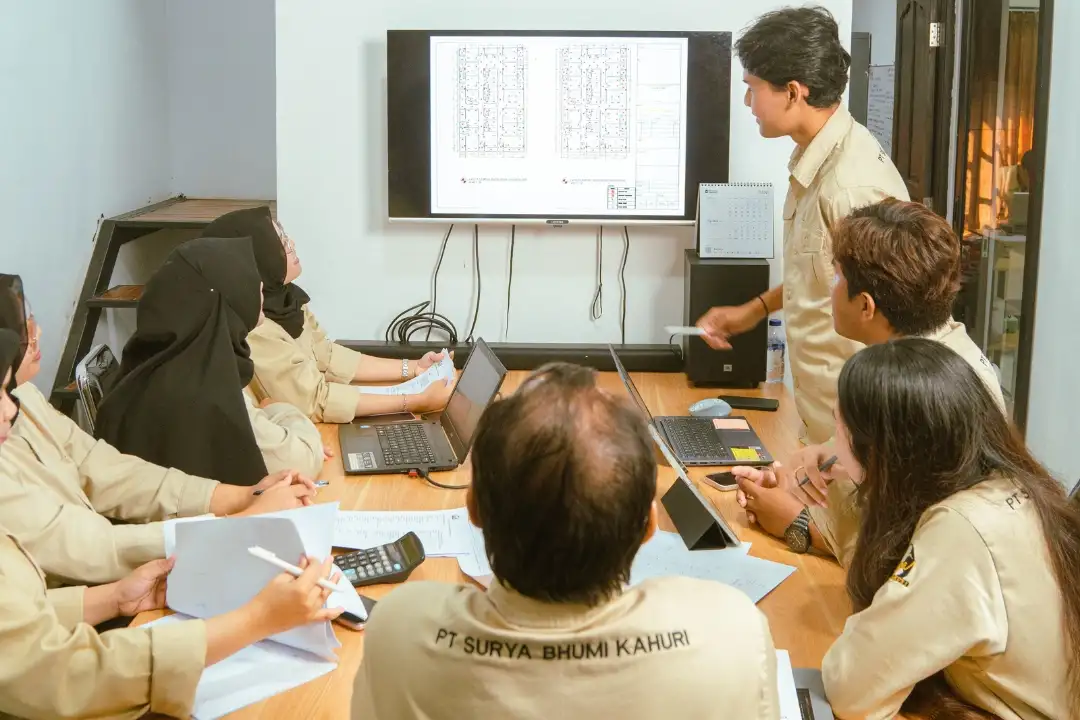
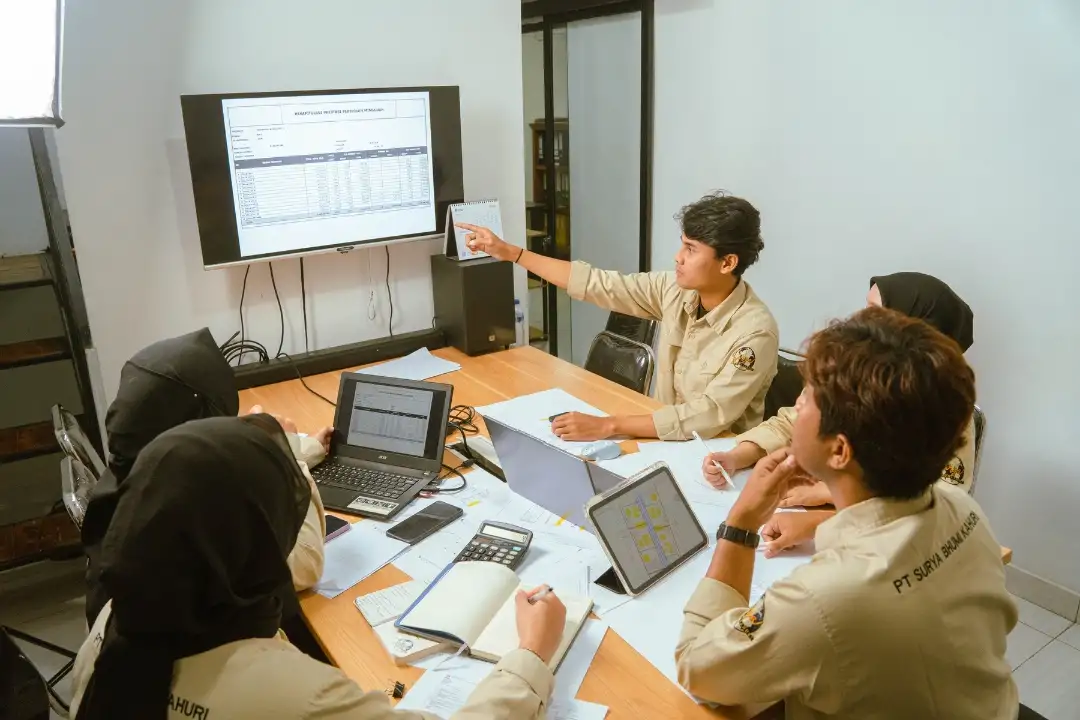
The contractor should review architectural, structural, mechanical, electrical, plumbing, and other relevant drawings. The team should identify installation conflicts, access requirements, material needs, and sequencing issues before they become problems on site.
Ask how the contractor manages technical coordination.
A structured process may include:
- Reviewing project drawings
- Conducting site surveys
- Identifying system conflicts
- Coordinating with consultants
- Preparing installation plans
- Confirming equipment locations
- Reviewing access for maintenance
- Updating drawings after revisions
- Reporting technical issues
- Obtaining approval before major changes
This process is important because building projects rarely remain completely unchanged from the first drawing.
Architectural revisions, equipment changes, room-function adjustments, and site conditions can affect several systems at once.
A reliable building contractor or MEP partner should be able to explain how revisions are reviewed and communicated.
The contractor should not make major site changes without documentation or approval. At the same time, the team should be proactive enough to identify practical problems and propose solutions.
Ask About the Inspection Process
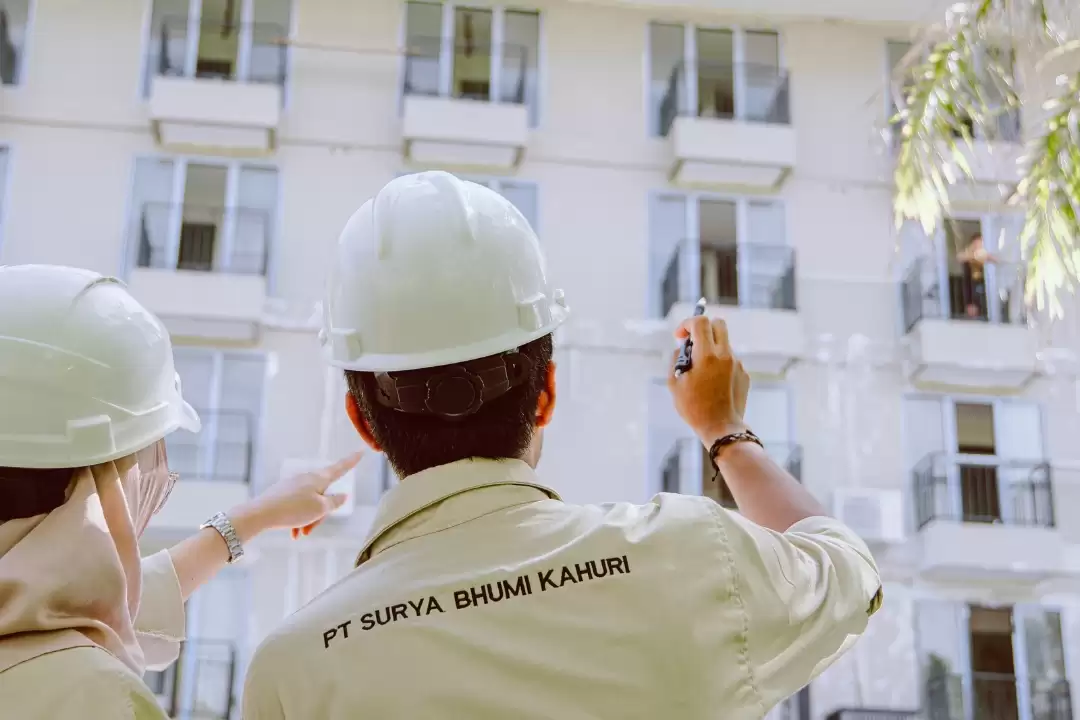
Inspection should take place throughout the project, not only at the end.
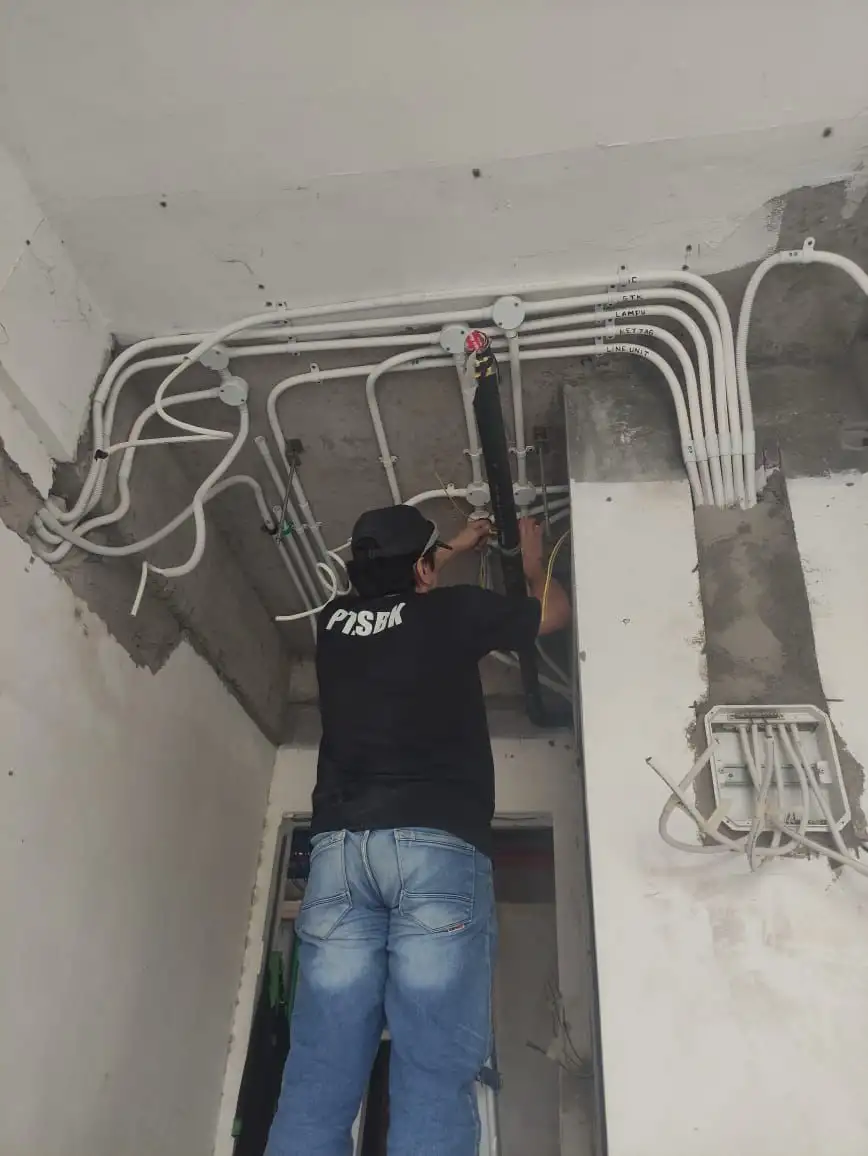
Once pipes, cables, ducts, and equipment are covered by walls or ceilings, correcting installation problems becomes more difficult and expensive.
A professional contractor should conduct inspections at important stages.
This may include checking:
- Material conditions
- Installation locations
- Pipe and cable routes
- Equipment placement
- Connection quality
- Support and mounting
- Safety requirements
- Access for future maintenance
- Compliance with approved drawings
- Readiness before closing ceilings or walls
Project owners should ask who is responsible for inspections and how the findings are recorded.
Is the inspection conducted by the site supervisor, engineer, quality-control team, consultant, or a combination of these parties?
Are photographs and reports prepared?
How are defects or incomplete items tracked?
A clear inspection process helps reduce rework and creates stronger accountability.
It also provides the owner and consultant with better visibility into the work being completed.
Inspection records can later become part of the project documentation and assist with future maintenance.
Confirm the Testing and Commissioning Procedure
A system is not complete simply because it has been installed.
It must also be tested.
Electrical panels may appear finished but still require functional checks. Plumbing lines need to be reviewed for pressure, flow, and leakage. HVAC systems need to be checked for operation and airflow. Fire alarms, pumps, hydrants, sprinklers, CCTV, access control, and other systems must be tested according to the project requirements.
Testing confirms whether each installation works.
Commissioning evaluates whether the systems operate as intended within the building.
Before appointing a contractor, ask:
- Which systems will be tested
- What testing methods will be used
- Who will witness the testing
- How results will be recorded
- How failed tests will be handled
- Whether retesting is included
- What commissioning support is provided
- Whether the owner’s engineering team will be involved
This process should be discussed before installation begins, not added at the last minute.
If a quotation does not clearly include testing or commissioning, the client should ask for clarification.
A lower price may exclude important activities required before the building can be handed over or operated safely.
The right contractor should understand that technical completion is measured by system performance, not only physical appearance.
Review the Handover Documents
Handover documents are essential for long-term building operations.
After the project is completed, the owner, engineering team, or facility manager needs information about the systems installed within the building.
Without clear documentation, future inspection, repair, renovation, and maintenance become more difficult.
Depending on the project, handover documents may include:
- Approved material information
- Equipment specifications
- Installation records
- Testing results
- Commissioning reports
- As-built drawings
- Operation information
- Maintenance guidance
- Equipment or warranty documents
- Completion and inspection records
Ask the contractor to explain which documents will be provided and when they will be submitted.
Do not assume that every contractor includes complete documentation in the quotation.
Some contractors may focus only on field installation and leave documentation incomplete. This can create problems after the project team has left the site.
A professional MEP contractor should treat documentation as part of the work, not as an optional administrative task.
Good handover documents help the building team understand what was installed, where components are located, and how the systems should be maintained.
Consider Maintenance Before the Project Is Finished
Building systems require ongoing care.
Air-conditioning equipment needs servicing. Electrical systems require inspection. Pumps and plumbing systems must be monitored. Fire-protection equipment needs regular testing. Security and electronic systems may require adjustments, replacements, or updates.
This is why maintenance should be discussed during contractor selection.
Ask whether the contractor provides:
- Preventive maintenance
- Scheduled inspection
- Equipment servicing
- Technical troubleshooting
- System assessment
- Replacement support
- Maintenance documentation
- Support after the warranty period
A contractor that understands the original installation can often provide better continuity during maintenance.
The team already knows the system layout, equipment, technical history, and previous project decisions.
This does not mean the original contractor must always handle every future service. However, confirming maintenance capability helps project owners understand whether the relationship can continue after installation.
The strongest construction partner is not only present while the project is being built. The company should also understand how the building will be supported after handover.
Do Not Choose Based on Price Alone
Price is important, but it should be evaluated together with scope, experience, documentation, coordination, testing, and support.
A low quotation may exclude:
- Important materials
- Technical supervision
- Testing
- Commissioning
- Documentation
- Site coordination
- Maintenance preparation
- Mobilisation
- Necessary supporting work
These exclusions can lead to additional costs later.
Project owners should compare proposals line by line rather than looking only at the final total.
The right question is not:
“Which contractor is the cheapest?”
A more useful question is:
“Which contractor provides the clearest and most reliable value for this project?”
The answer should consider technical capability, operational risk, long-term maintenance, and the contractor’s ability to coordinate with other project stakeholders.
Choose One Team That Understands the Whole Building
Mechanical, Electrical, Plumbing, HVAC, Fire Fighting, Electronic Systems, Elevators, and specialised building services are connected.
A change in one system can affect another.
This is why project owners need more than separate technical vendors. They need clear coordination, defined responsibilities, accurate documentation, and a team that understands the whole building.
PT. Surya Bhumi Kahuri is an integrated Building and MEP Contractor serving healthcare, government, hospitality, commercial, and other building projects.
Through the principle of One Team for All Building Systems, SBK provides services across Building Construction, Mechanical, Electrical, Plumbing, HVAC, Fire Fighting, Electronic and Security Systems, Lead Shielding, Modular Operating Theatre, Elevator Installation, and Maintenance.
SBK is based in Bali and is prepared to support projects both within and outside the region.
Before choosing an MEP contractor Bali or a partner for a project elsewhere in Indonesia, begin with a proper technical discussion.
Share the project type, location, current plans, required systems, and operational needs. A clear project consultation helps both the client and contractor identify the appropriate scope before preparing the next steps.
For project owners, developers, consultants, hospitals, hotels, government institutions, and main contractors, the right MEP partner should provide more than installation.
It should provide experience, coordination, inspection, testing, documentation, and long-term support through one responsible team.