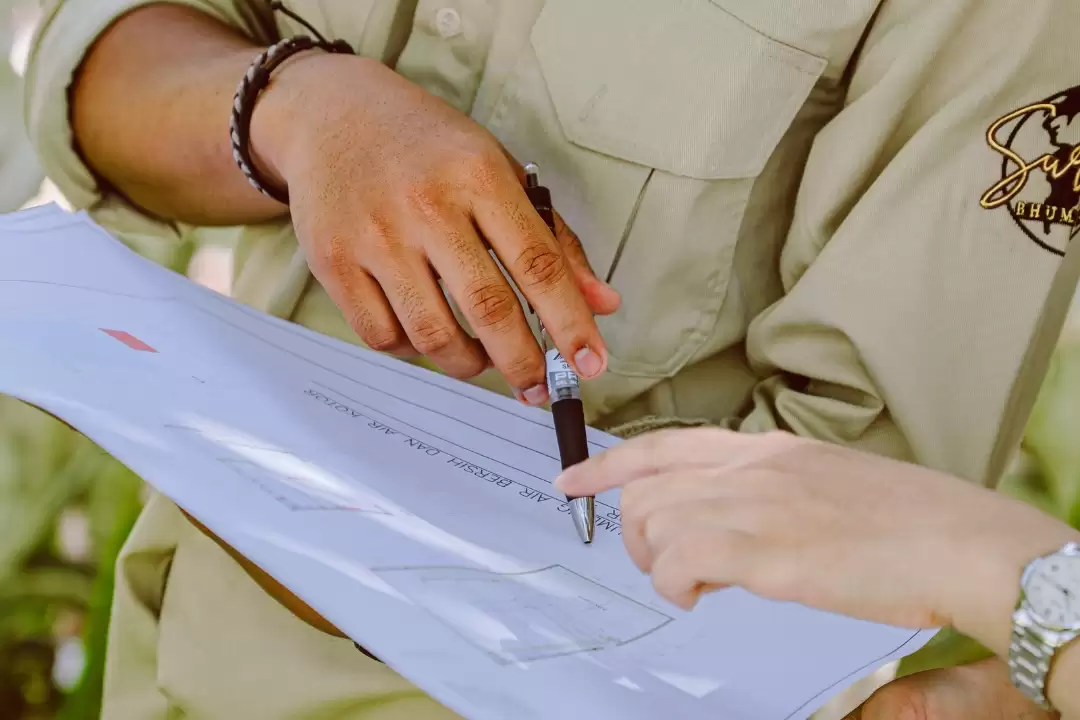

Inside the Building System Project at Bali Safari and Marine Park
Visitors experience Bali Safari and Marine Park through its attractions, facilities, public spaces, and daily activities.
Behind those visible experiences, however, a large visitor destination depends on building systems that must continue supporting people, staff, equipment, and operational areas throughout the property.
Electrical infrastructure, water systems, mechanical equipment, communication networks, fire protection, and other technical components may not be the main reason people visit a destination. However, they contribute to how safely and reliably its facilities can operate.
The Bali Safari project is part of PT. Surya Bhumi Kahuri’s documented project portfolio in Bali.
For SBK, working within a recognizable visitor destination demonstrates something that cannot be communicated through a general service list alone: the company has been involved in a real project environment where technical work needed to support active facilities and wider operational requirements.
The exact technical package delivered by SBK should always follow confirmed project documentation. For that reason, this project showcase does not add unverified system details, quantities, performance figures, or completion claims.
Instead, it focuses on what the project represents: documented field execution, coordination within a visitor-focused property, and the importance of professional building-system work behind public facilities.
A Project Within a Recognizable Bali Destination
Bali Safari and Marine Park is more than a single building.
As a visitor destination, its environment includes different spaces that may serve guests, employees, technical teams, daily operations, and supporting activities. Each area can have different functional requirements.
This creates a more complex context than a small standalone property.
A project within this type of destination may require contractors to consider:
- Existing building conditions
- Visitor and staff access
- Coordination between work areas
- Technical routes and equipment locations
- Safety during execution
- Communication with other project teams
- Protection of completed areas
- Inspection and documentation
- Future access for operational teams
For an MEP contractor Bali, working within a recognizable facility provides relevant experience in managing technical responsibilities alongside the broader needs of the property.
The work cannot be approached only from the perspective of installation.
The contractor also needs to understand where the system will operate, who will use the surrounding facilities, how other teams are working, and how technical decisions may affect future inspections or maintenance.
Why Building Systems Matter in Visitor Facilities
Most visitors will never look inside an electrical panel, inspect a pipe route, or ask how a mechanical system was coordinated.
They simply expect the destination to function.
Lighting should operate where required. Water should reach the necessary facilities. Equipment should receive the support it needs. Safety systems should be ready. Staff should be able to access technical components when inspection or maintenance is required.
This is why building system installation has a direct relationship with the visitor experience, even when the installation itself remains out of sight.
A problem in one technical system can affect:
- Public areas
- Staff operations
- Service facilities
- Equipment availability
- Safety procedures
- Maintenance activities
- The usability of certain spaces
Reliable visitor facilities begin with planning and coordination behind the finished environment.
This principle applies not only to tourism attractions, but also to hotels, resorts, shopping centres, hospitals, government buildings, and other properties that serve many people.
Starting With the Actual Project Conditions
Professional technical work should begin with an understanding of the site.
Drawings provide important information, but field conditions still need to be reviewed. The contractor must understand the available installation space, building layout, access points, existing systems, and coordination requirements.
A site review can help identify questions such as:
- Does the actual condition match the drawing?
- Is the proposed route accessible?
- Will the installation conflict with another system?
- Can the technical team work safely in the area?
- Is there enough space for inspection and maintenance?
- Does the installation sequence need to be adjusted?
- Are there existing facilities that must remain protected?
These questions are especially important in an active or recognizable destination.
Technical decisions cannot be made without considering the surrounding environment.
For SBK, the project process is not only about arriving on site and beginning physical work. It requires coordination before installation, communication during execution, and documentation as the work progresses.
Coordinating Different Technical Requirements
Building systems do not operate independently.
An electrical requirement may need to support mechanical equipment. A plumbing route may need to share space with other installations. Fire-protection components may need coordination with electrical connections, ceilings, walls, access routes, and building layouts.
Even when one contractor is responsible for a limited package, its work still needs to connect with the wider project.
This is why coordination is central to professional hospitality MEP and visitor-facility projects.
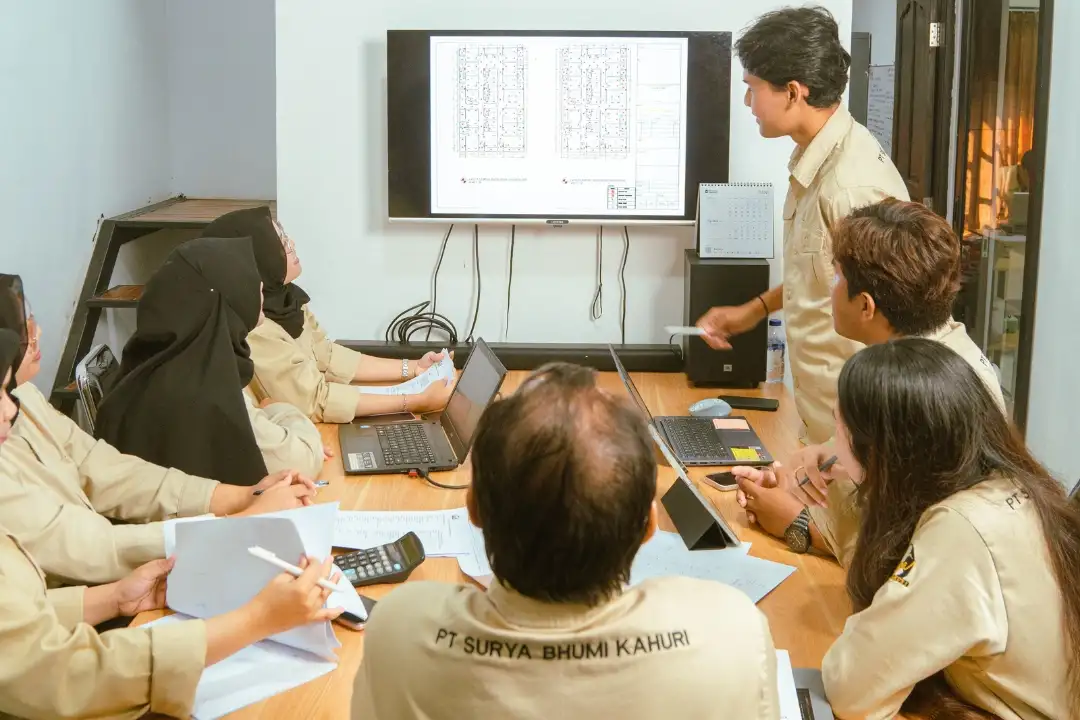
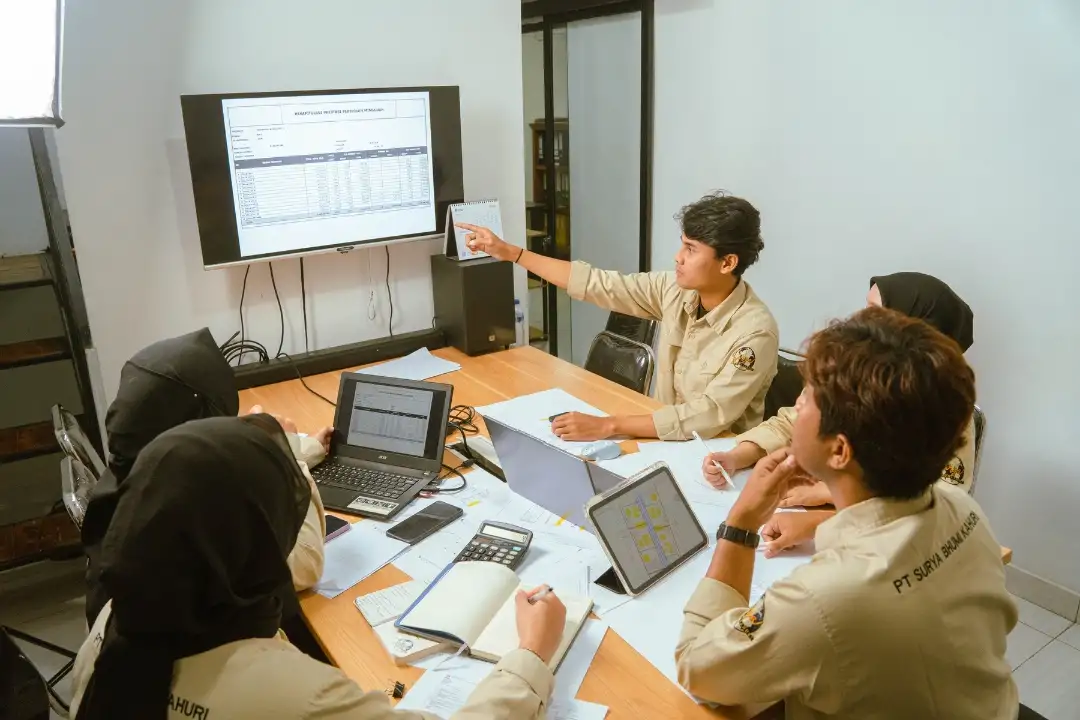
The technical team may need to communicate with:
- Project owners
- Consultants
- Main contractors
- Architects
- Site supervisors
- Other specialist contractors
- Equipment suppliers
- Facility or engineering teams
Without clear coordination, one installation can create problems for another.
A route may be blocked. Equipment access may become too narrow. A completed ceiling may need to be opened again. Responsibility may become unclear when several vendors work in the same area.
SBK’s broader positioning as One Team for All Building Systems addresses this challenge.
The principle is not merely about offering several technical services. It is about making project coordination clearer by bringing connected responsibilities into one professional working structure.
Execution Must Follow Confirmed Scope
A trustworthy project showcase should distinguish between what is documented and what is assumed.
SBK’s involvement in the Bali Safari and Marine Park portfolio is documented. However, specific claims about the exact systems installed should only be published when supported by approved project records, work orders, drawings, reports, or handover documentation.
This is important because phrases such as electrical services or plumbing installation can cover many different responsibilities.
Electrical work may range from a limited installation package to broader distribution and supporting systems. Plumbing may involve specific connections, water systems, drainage work, or another defined requirement.
Without confirmation, a professional contractor should not imply that it completed every system within the property.
Clear scope communication protects:
- The project owner
- The contractor
- Other vendors
- The accuracy of the portfolio
- The company’s long-term credibility
SBK builds trust through real projects rather than exaggerated claims.
The strongest portfolio content does not need unsupported statistics or an expanded scope. It needs clear evidence that the company was involved, understood its responsibilities, and executed work within a real project environment.
Visible Documentation Builds Stronger Trust
Project photographs are more than promotional content.
When used properly, they can document how work was carried out and provide useful evidence of field activity.
Relevant documentation may show:
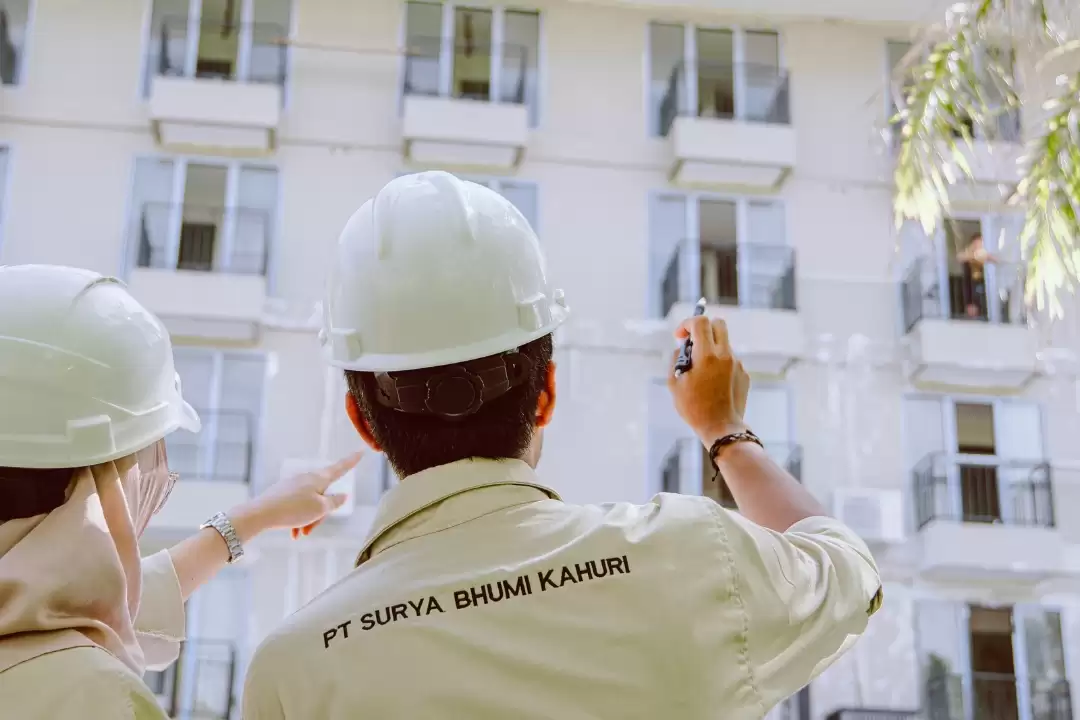
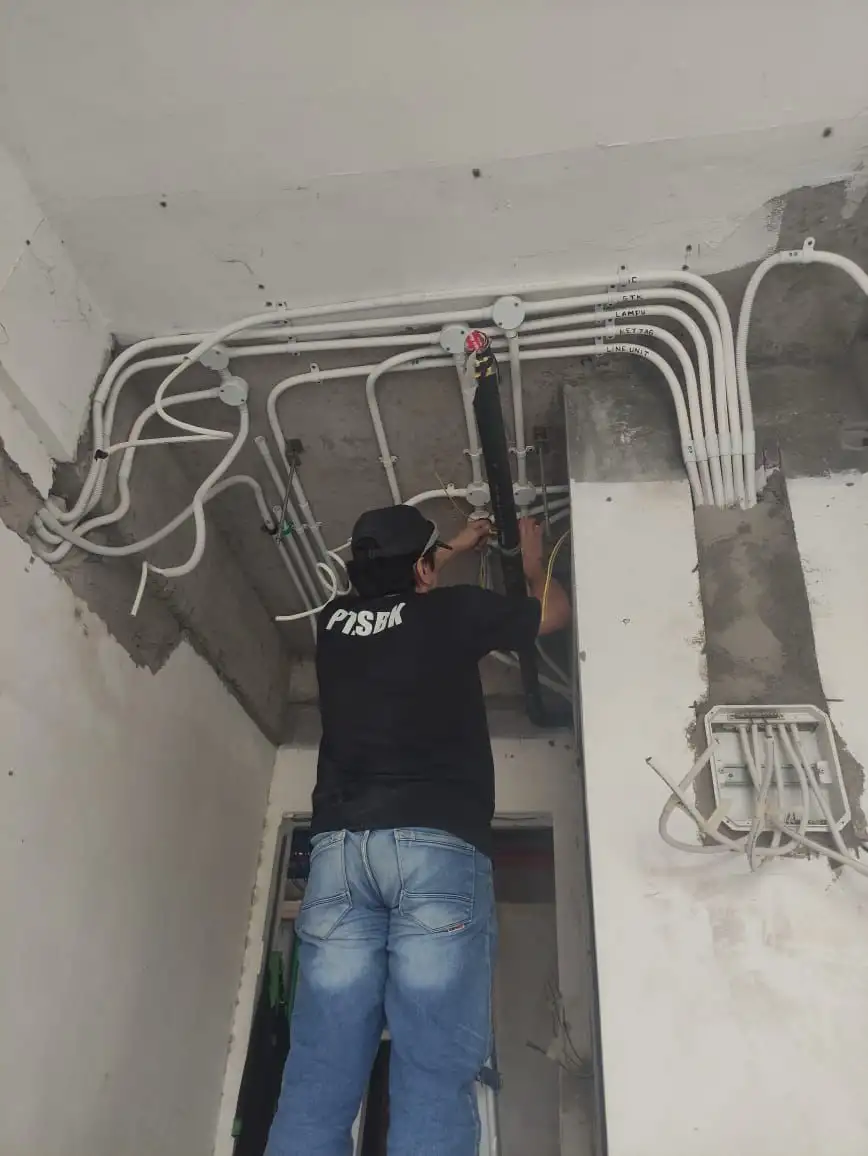
- The technical team working on site
- Installation preparation
- Equipment or material conditions
- Work areas
- Coordination activities
- Inspection processes
- Progress stages
- Completed installations
- Safety practices
For developers, consultants, procurement teams, and project owners, this type of documentation can provide more value than a general claim such as “experienced contractor.”
It helps answer practical questions:
Was the company genuinely involved?
What kind of project environment did the team handle?
Did the work take place under organized site conditions?
Was the team prepared for technical execution?
Can the company provide records rather than relying only on words?
SBK already has documentation from its project activities. This strengthens the project portfolio because prospective clients can review visible evidence from actual work.
The content should still be presented carefully. Photographs must not be used to claim technical responsibilities that are not shown or confirmed.
Each image should have accurate context.
Inspection Is Part of the Work
A technical installation should not be considered complete simply because it appears finished.
Inspection helps confirm whether the work follows the approved requirement, is positioned correctly, remains accessible, and is ready for the next project stage.
Depending on the confirmed scope, an inspection process may review:
- Installation locations
- Equipment placement
- Material condition
- Supports and connections
- Access requirements
- Coordination with surrounding work
- Readiness before an area is closed
- Items requiring correction
For a Bali construction project, inspection records can also support communication between the contractor, consultant, and project owner.
Problems identified early are generally easier to manage than issues discovered after ceilings, walls, or finishing work have been completed.
This is why professional technical execution includes checking the work throughout the process—not only at final handover.
From Installation Toward Operational Readiness
Visitor facilities need more than completed construction.
They need systems that can support daily operation after the project team leaves.
That means contractors should consider:
- How installations will be accessed
- How future inspections can be carried out
- What information the facility team will need
- Which components require routine attention
- How completed work will be documented
- Whether maintenance support may be needed
The objective is not only to finish the assigned scope.
It is to deliver work that can become part of an operational building environment.
For destinations serving visitors, this continuity is important. Technical systems may need to be checked, serviced, adjusted, or repaired without creating unnecessary disruption to surrounding facilities.
A responsible contractor considers these needs during execution rather than waiting until a problem appears.
What the Bali Safari Portfolio Demonstrates
The value of the Bali Safari and Marine Park portfolio lies in its real-world context.
It shows SBK’s involvement in a recognizable destination where technical work supports a wider visitor environment.
It also demonstrates the importance of several capabilities:
- Understanding project conditions
- Coordinating with other stakeholders
- Following a confirmed technical scope
- Executing work on site
- Documenting progress
- Supporting inspections
- Considering future operations
This experience is relevant to owners and decision-makers responsible for hotels, resorts, attractions, commercial properties, public facilities, and other buildings with active operational requirements.
It provides a stronger basis for trust than a service description without evidence.
One Team Behind the Visible Experience
Visitors experience the finished destination.
They do not usually see the planning, technical discussions, installation routes, inspections, revisions, and documentation behind its facilities.
However, those activities are part of what allows a building or visitor property to operate.
PT. Surya Bhumi Kahuri brings experience across Building Construction, Mechanical, Electrical, Plumbing, HVAC, Fire Fighting, Electronic and Security Systems, Lead Shielding, Modular Operating Theatre, Elevator Installation, and Maintenance.
The company’s documented involvement in the Bali Safari project forms part of a wider portfolio covering hospitality, healthcare, government, commercial, residential, and public facilities.
Through the principle of One Team for All Building Systems, SBK helps clients simplify technical coordination and work with one partner that understands how different building requirements connect.
For future project owners, the Bali Safari and Marine Park portfolio provides a clear message.
SBK’s capability is not built only through claims.
It is built through real sites, visible documentation, technical execution, and experience inside working project environments.