Preparing Hotels and Villas in Bali for July Peak Season
July is one of the busiest months for tourism in Bali. Hotels, villas, restaurants, beach clubs, and commercial facilities usually start seeing higher guest activity during this period. For property owners and building managers, this is not only a business opportunity. It is also a serious test for building systems.
When occupancy rises, every system inside the property works harder. Air conditioning runs longer. Water usage increases. Electrical loads become heavier. Lifts are used more often. Fire safety systems must remain fully ready. If one of these systems fails during peak season, the impact can be costly.
Guest complaints, service disruption, emergency repairs, and bad reviews can all happen from technical issues that could have been prevented earlier. That is why preparing hotels and villas before the July peak season is an important step for every property owner in Bali.
Why July Needs Extra Preparation
Bali’s July season usually brings a combination of good weather, school holidays, and strong international travel demand. This creates higher occupancy across many areas such as Nusa Dua, Uluwatu, Canggu, Seminyak, Sanur, and Ubud.
For hospitality properties, high occupancy means systems need to perform consistently every day. Guests expect comfort from the moment they arrive. They want cool rooms, stable water pressure, clean bathrooms, good lighting, safe access, and smooth facilities.
Most guests will not notice when building systems work well. But they will notice immediately when something fails. A room that is not cool enough, a leaking bathroom, a lift that stops working, or a power issue can quickly affect their experience.
HVAC Must Be Checked Before Rooms Fill Up
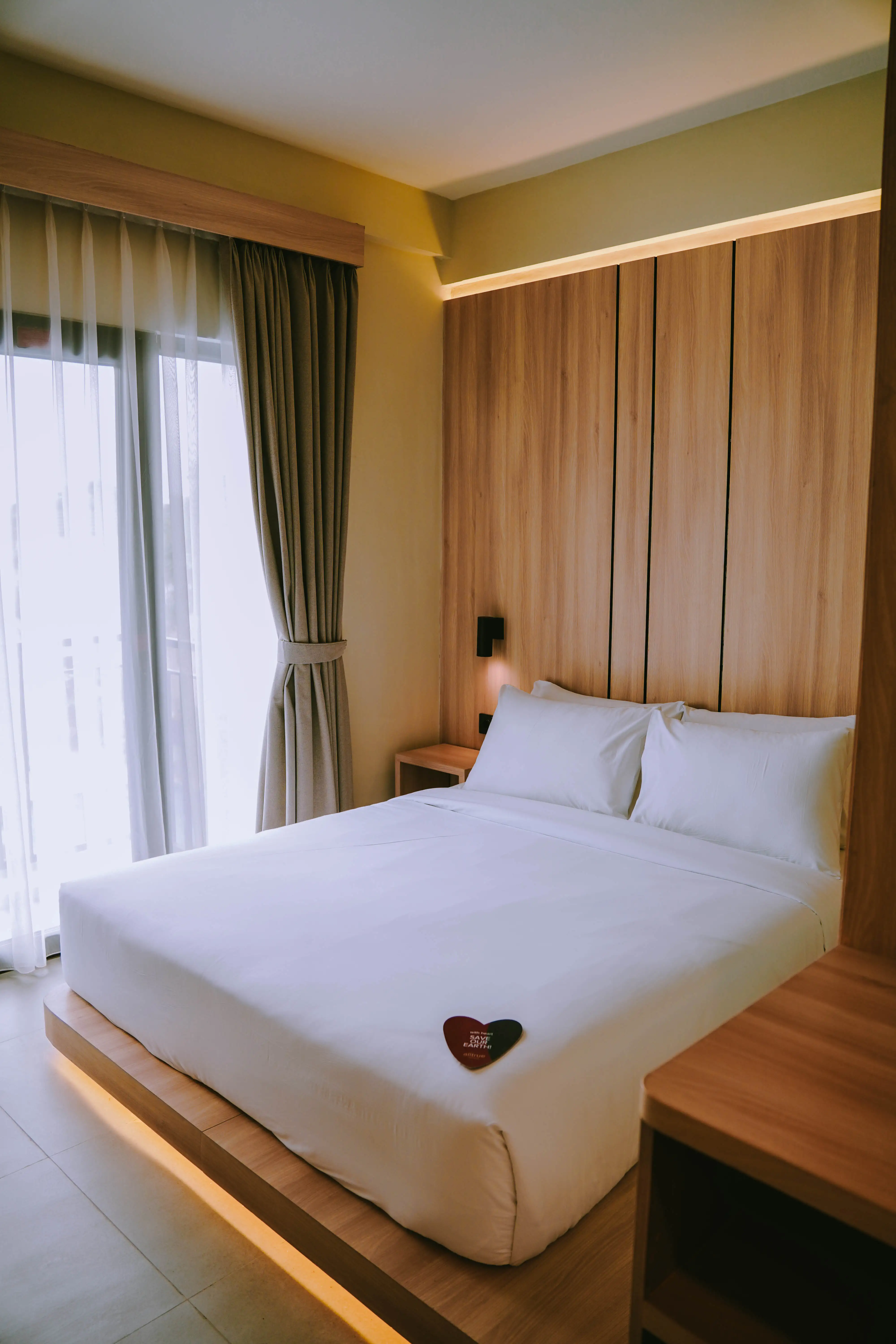
Air conditioning is one of the most important systems in Bali hospitality properties. In hotels and villas, indoor comfort depends heavily on HVAC performance.
Before July, owners should inspect air conditioning units, filters, refrigerant levels, drainage lines, thermostats, ducts, and outdoor units. Dirty filters can reduce airflow. Blocked drainage can cause leaks. Weak cooling can make guests uncomfortable and increase energy use.
A poorly maintained HVAC system also consumes more electricity because it has to work harder. During peak season, this can increase operational costs significantly.
Regular inspection helps the system run more efficiently. It also reduces the risk of sudden failure when occupancy is high.
Electrical Systems Need Load Stability
During peak season, electricity demand increases across the property. More rooms are occupied. More lighting is used. Kitchen equipment, water pumps, laundry systems, refrigerators, and air conditioning units may operate longer than usual.
This puts more pressure on electrical panels, breakers, cables, and distribution systems.
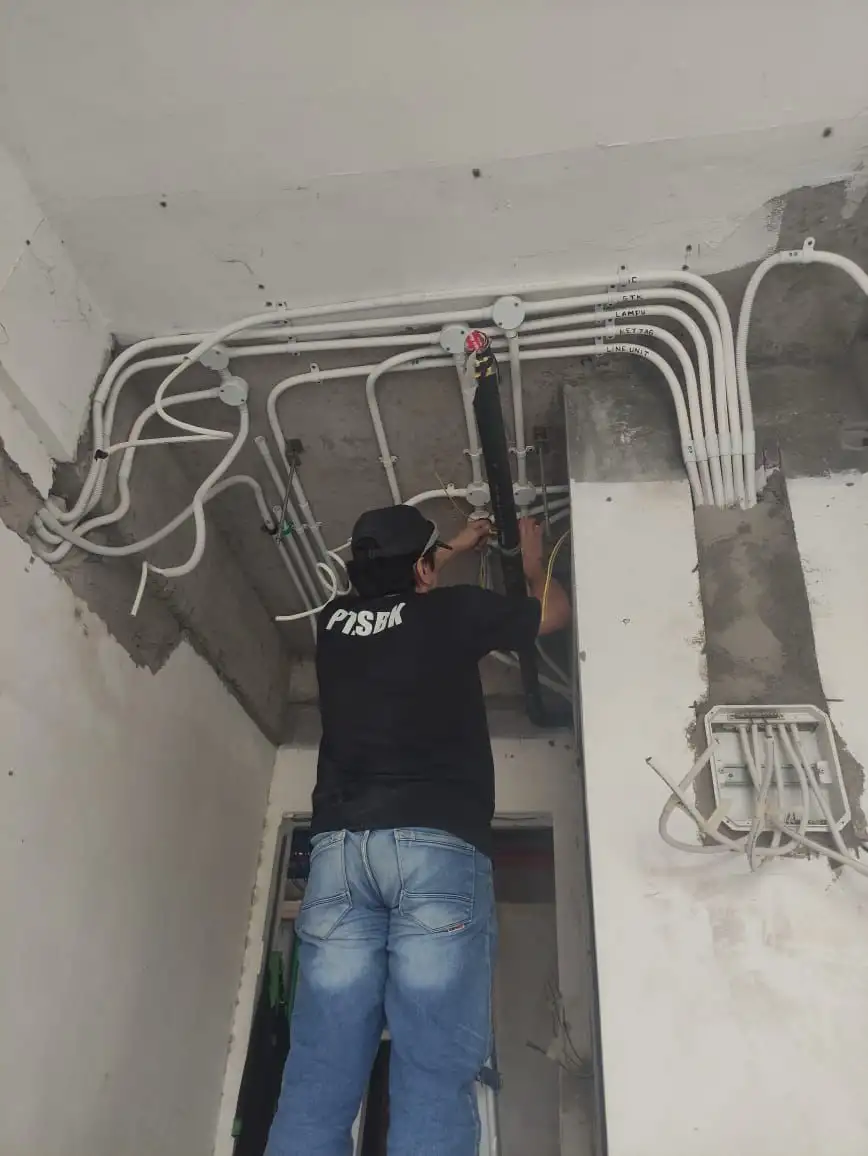
Before July, building managers should check panel conditions, cable connections, grounding systems, breakers, sockets, and backup power if available. Any sign of overheating, flickering lights, burning smell, or frequent breaker trips should be handled immediately.
Stable electricity protects guest comfort and operational safety. It also protects equipment from damage caused by unstable power supply.
Plumbing Issues Can Damage Guest Experience Quickly
Water is used heavily during peak occupancy. Showers, toilets, sinks, pools, kitchens, laundry areas, and garden systems all depend on plumbing reliability.
A small plumbing problem can become serious when many rooms are occupied. Low water pressure, clogged drains, leaking pipes, and water heater problems can create immediate complaints.
Before peak season, owners should inspect water pumps, tanks, valves, pipe joints, drainage lines, water heaters, and pool systems. Drainage cleaning is especially important because blockages often appear during periods of heavy usage.
Good plumbing preparation protects both comfort and property condition. It also helps prevent water damage, mold, and expensive repairs.
Fire Safety Should Not Be Treated As Routine Only
Fire protection is often checked only when required by regulation. For hotels and villas, this is not enough. During high occupancy, fire safety becomes even more important because more people are staying inside the property.
Fire extinguishers, alarms, smoke detectors, hydrants, sprinklers, emergency lights, and evacuation signs should be inspected before July. Exit routes must also remain clear and easy to access.
Fire safety systems are not only technical requirements. They are part of guest protection and property responsibility. A well prepared building gives confidence to owners, staff, and guests.
Lift and Elevator Readiness Matters For Larger Properties
Hotels, resorts, apartments, and commercial buildings with multiple floors need reliable lift systems. During peak season, lifts may operate more frequently throughout the day.
Before July, owners should inspect lift doors, control panels, leveling accuracy, emergency alarms, machine performance, and safety sensors. Any unusual sound or slow response should be checked by professionals.
A lift breakdown during peak occupancy can create serious inconvenience, especially for guests with luggage, elderly visitors, families, staff, and service operations.
Preventive lift inspection helps maintain smooth movement and reduces the risk of unexpected downtime.
Pool and Lighting Systems Also Need Attention
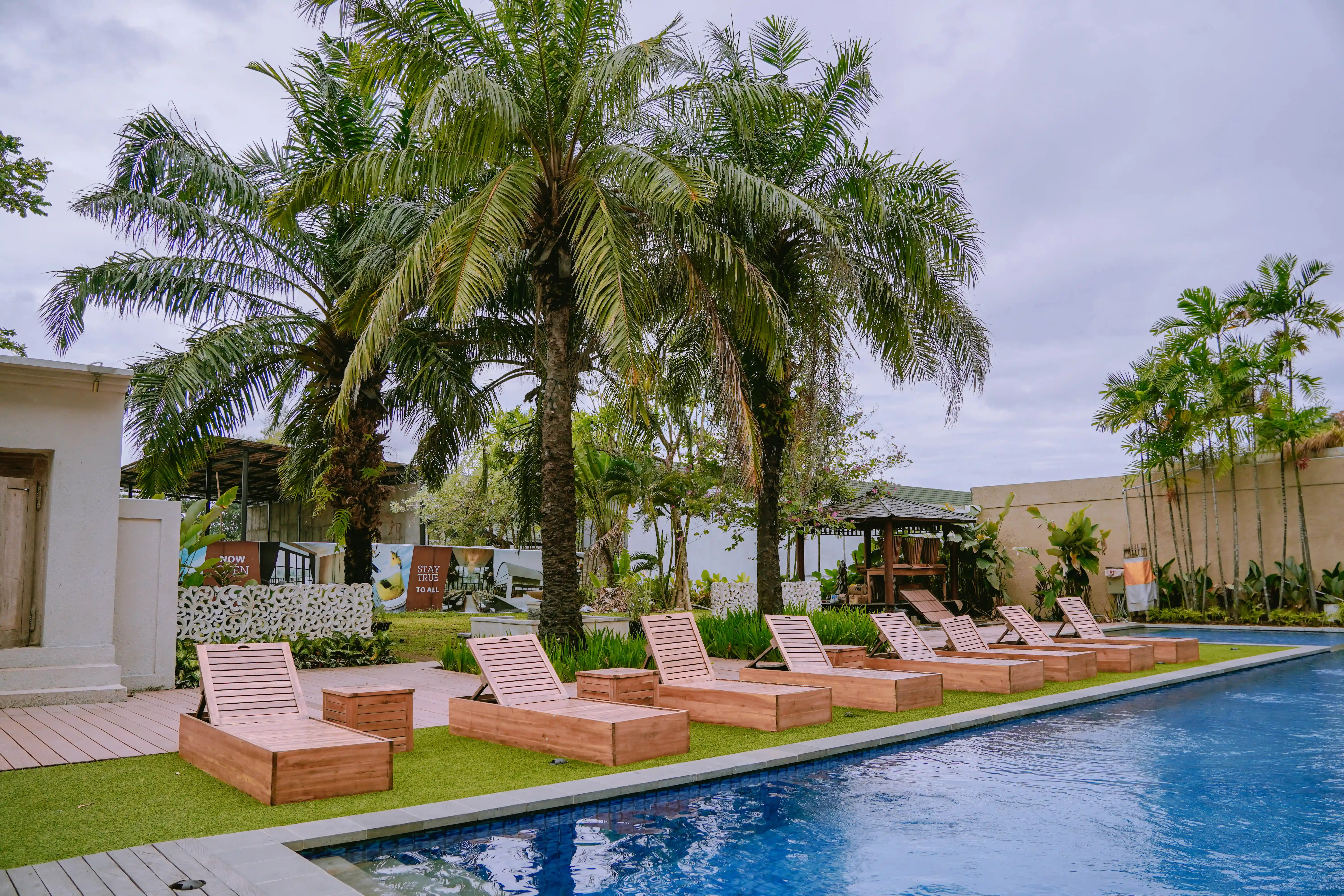
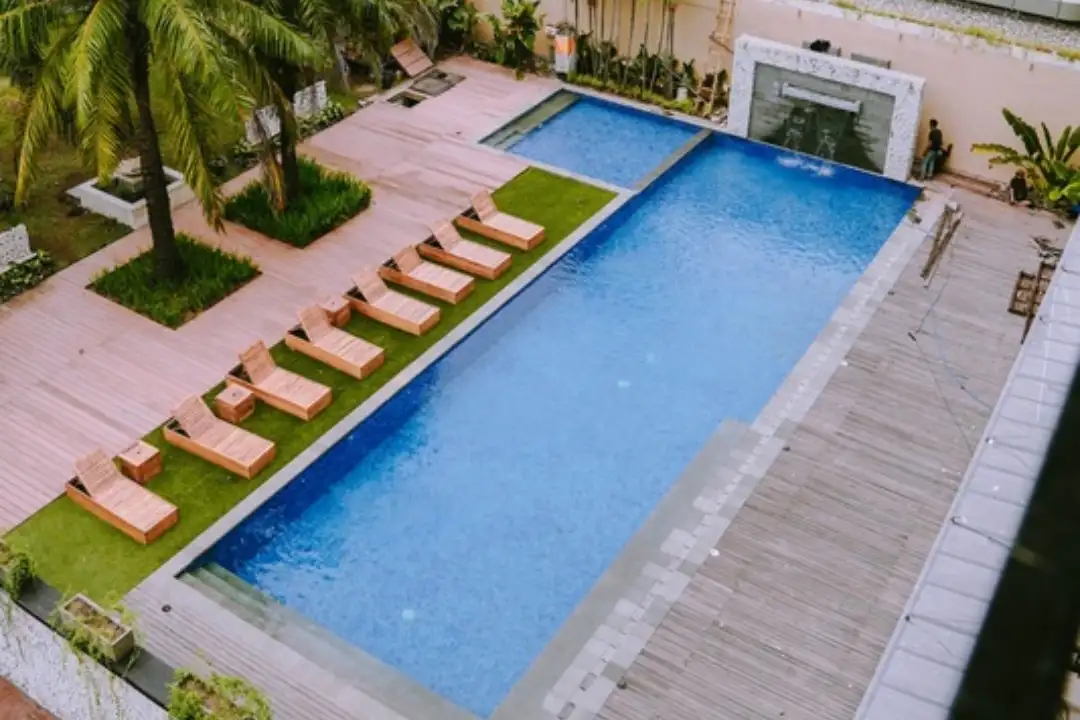
For Bali hotels and villas, pools are often one of the main guest facilities. Pool systems need proper circulation, filtration, drainage, and lighting. During peak season, pool usage increases, so water quality and system reliability become more important.
Lighting also plays a key role in guest experience and safety. Outdoor lighting, pathway lighting, room lighting, pool lighting, and emergency lighting should be checked before guest activity increases.
A property may have good architecture, but poor lighting or pool problems can reduce its overall quality. These systems should be included in peak season preparation.
Maintenance Should Be Preventive, Not Reactive
Many owners wait until something breaks before calling a technician. This approach is risky during peak season. Emergency repairs are usually more expensive and harder to schedule when the property is full.
Preventive maintenance is a better approach. It allows the team to detect early signs of damage, clean components, replace weak parts, and test performance before problems become urgent.
This saves money, reduces downtime, and protects guest satisfaction.
For hospitality properties, preventive maintenance is not just a technical activity. It is part of service quality.
Integrated Inspection Is More Effective
Checking each system separately is helpful, but integrated inspection gives better results. Building systems are connected.
HVAC needs electricity. Plumbing pumps need power. Fire systems may depend on water pressure and electrical control panels. Pool systems depend on plumbing, electrical, and lighting coordination.
If one system is weak, another system may also be affected. An integrated technical inspection helps owners see the building as one complete operating system.
This approach is especially useful for hotels and villas that want reliable performance during busy months.
Staff Should Know Basic Warning Signs
Technical preparation is not only the responsibility of contractors. Property staff should also understand basic warning signs.
For example, staff should report unusual AC sounds, water leaks, weak water pressure, flickering lights, burning smells, slow lift movement, pool pump noise, or alarm panel alerts.
Early reporting helps prevent bigger issues. When staff and technical teams communicate clearly, problems can be handled before they affect guests.
Why Owners Need a Professional Partner
Hotels and villas in Bali need more than general repair work. They need professional technical support that understands hospitality standards, building systems, and long term performance.
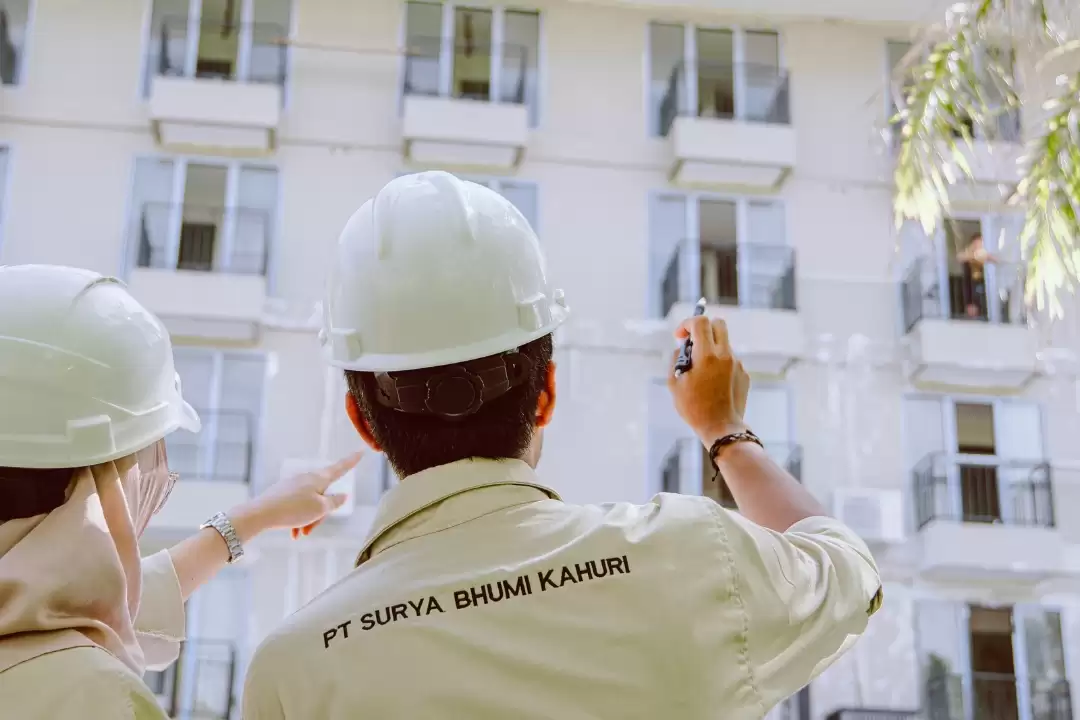
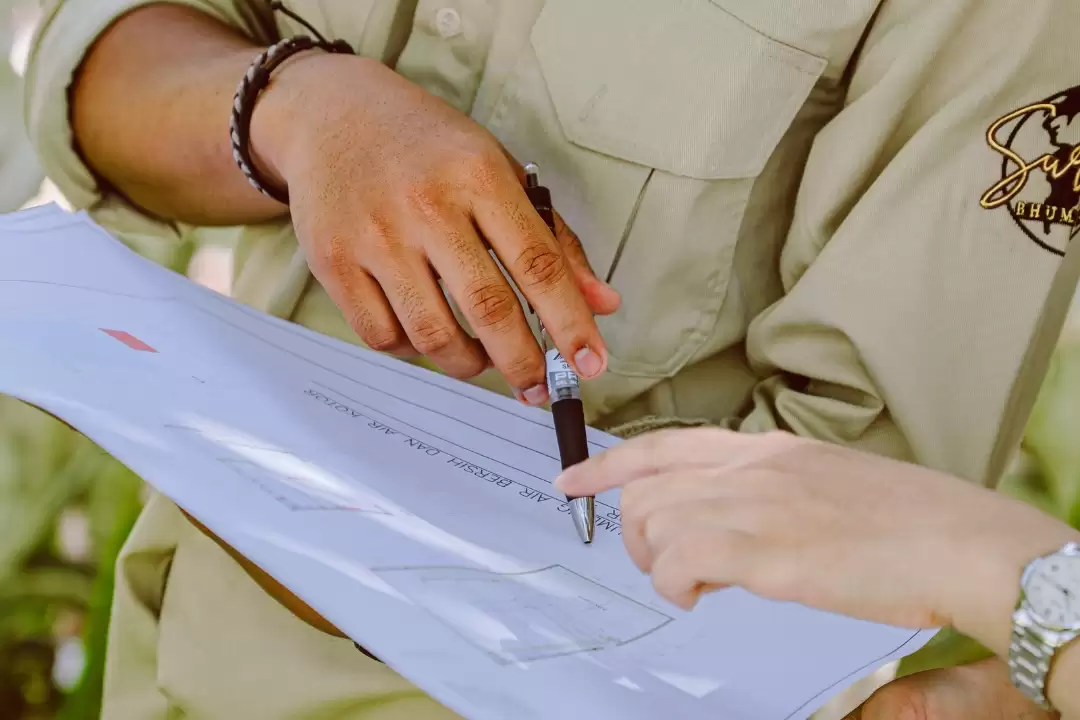
A professional MEP partner can inspect systems properly, identify hidden issues, recommend practical solutions, and carry out repairs with minimal disruption.
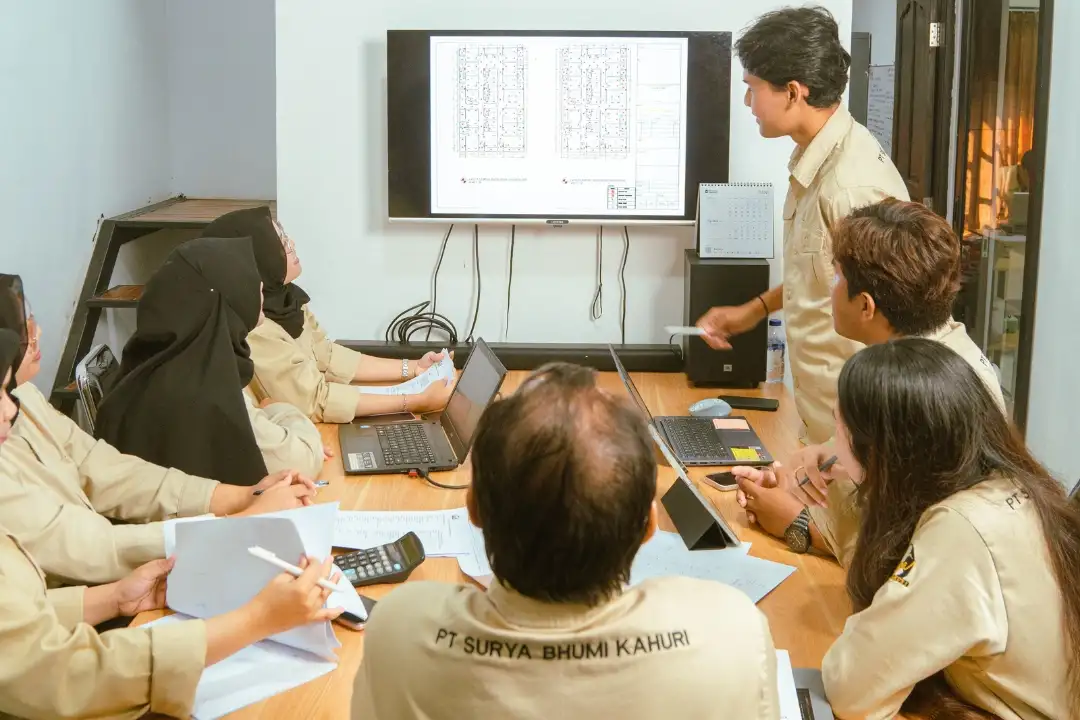
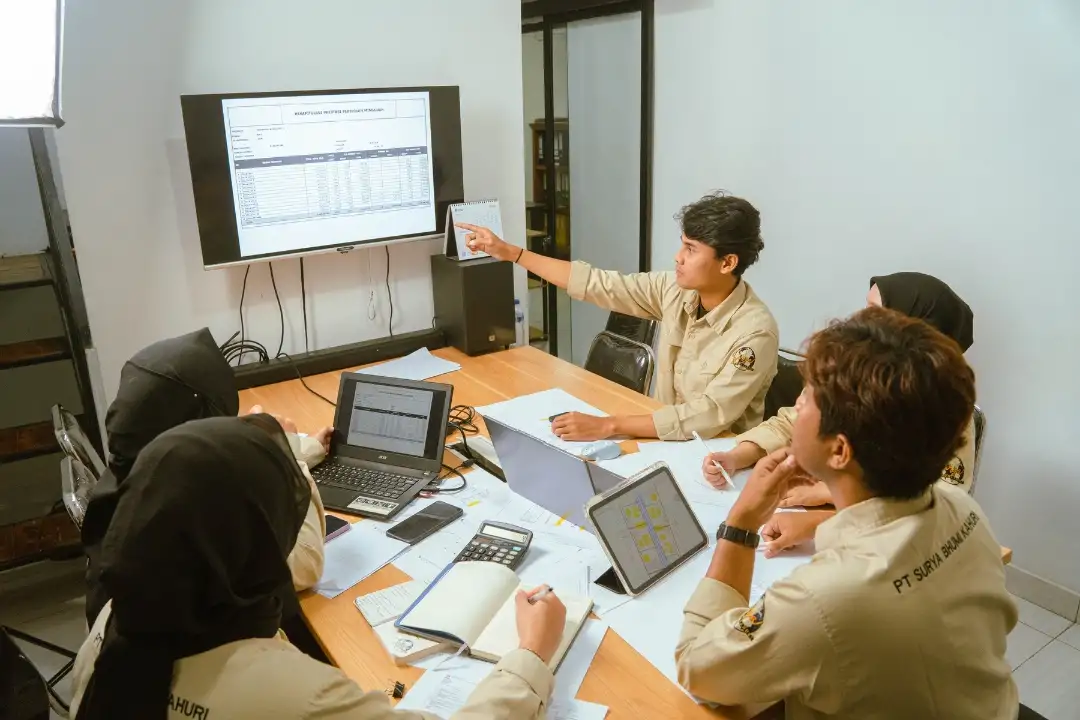
Surya Bhumi Kahuri supports property owners in Bali with integrated building system services. This includes electrical systems, HVAC, plumbing, fire fighting, electronic and security systems, lift and elevator systems, pool support, lighting installation, and maintenance planning.
With a coordinated technical team, owners can prepare their buildings more confidently before peak season begins.
Preparing hotels and villas in Bali for the July peak season is a smart investment. Higher occupancy means higher demand on every building system. HVAC, electrical, plumbing, fire protection, lift systems, pool systems, and lighting must be ready to operate smoothly.
Waiting until problems appear can lead to guest complaints, emergency costs, and operational disruption. Preventive inspection before July helps protect comfort, safety, and business reputation.
For property owners, the best time to prepare is before the property becomes busy. With proper planning and the right technical partner, hotels and villas can enter the peak season with more confidence.
Surya Bhumi Kahuri provides integrated construction and MEP solutions for building owners in Bali who want reliable systems, safe operation, and long term performance.