Preparing Your Building Systems Before Peak Occupancy Season
Bali enters one of its busiest travel periods around July and August. Many hotels, villas, restaurants, retail spaces, and public facilities begin to experience higher daily activity during this time. The dry season also makes the island more attractive for visitors, with June often becoming a preparation month before the peak crowd arrives. Travel sources commonly describe July and August as Bali’s main high season, while June is often seen as a strong shoulder month with good weather and growing activity.
For property owners and building managers, this period is not only about bookings and guest experience. It is also about making sure every building system is ready to perform under heavier use. A beautiful property can quickly lose its value if the air conditioning fails, the water pressure drops, the electrical system becomes unstable, or the fire protection system is not properly maintained.
That is why preparing building systems before peak occupancy season is a smart and necessary step. Preventive checks allow owners to solve small issues before they become expensive disruptions.
Why June is the right time for system preparation
June is a practical month to inspect and prepare building systems in Bali. It sits close to the peak season but still gives property owners time to make adjustments. If a hotel or villa waits until July or August, maintenance becomes harder because rooms are occupied, staff are busy, and downtime becomes costly.
A building system inspection in June helps owners prepare calmly. Technicians can check equipment, clean components, test performance, and repair minor problems before guest activity increases.
For properties that rely on consistent comfort, this preparation can protect both revenue and reputation. Guests may not notice when systems work perfectly, but they will immediately notice when something fails.
HVAC systems need special attention
HVAC is one of the most important systems to prepare before peak occupancy season. In Bali’s warm climate, air conditioning is not a luxury. It is part of the guest experience.
Hotels, villas, restaurants, and offices depend on stable cooling to keep indoor spaces comfortable. During high occupancy, HVAC systems usually work longer hours and carry heavier loads. If filters are dirty, coils are blocked, or refrigerant levels are low, the system must work harder to reach the same temperature.
This leads to higher electricity costs and greater risk of breakdown.
Before peak season, building managers should inspect indoor and outdoor units, clean air filters, check drainage, test thermostats, and make sure airflow is balanced across rooms. For larger properties, ducting systems and central air conditioning units should also be checked carefully.
A well maintained HVAC system improves comfort, reduces energy waste, and lowers the risk of emergency repairs during busy periods.
Electrical systems must be stable and safe
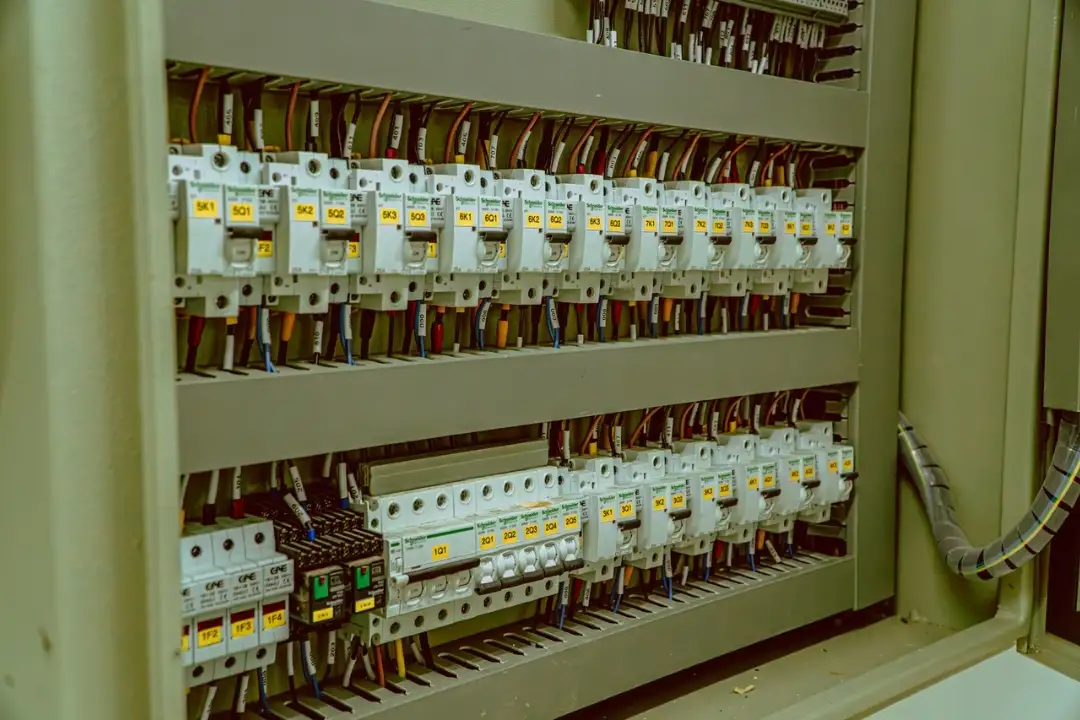
Peak occupancy also means higher electrical demand. More rooms are used. More lights are turned on. More appliances run at the same time. In restaurants and commercial buildings, kitchen equipment, cooling systems, pumps, and lighting may operate for longer hours.
If the electrical system is not ready, the building may experience overloaded circuits, unstable power, or frequent breaker trips.
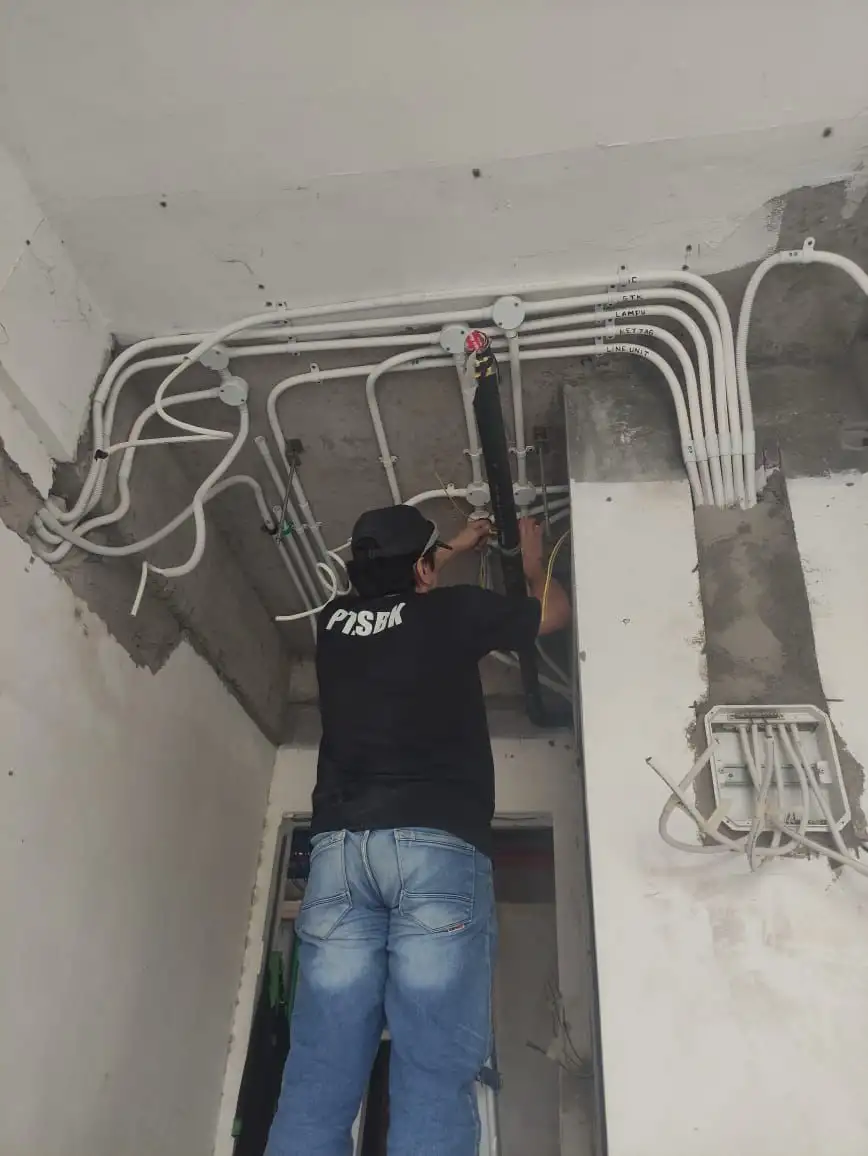
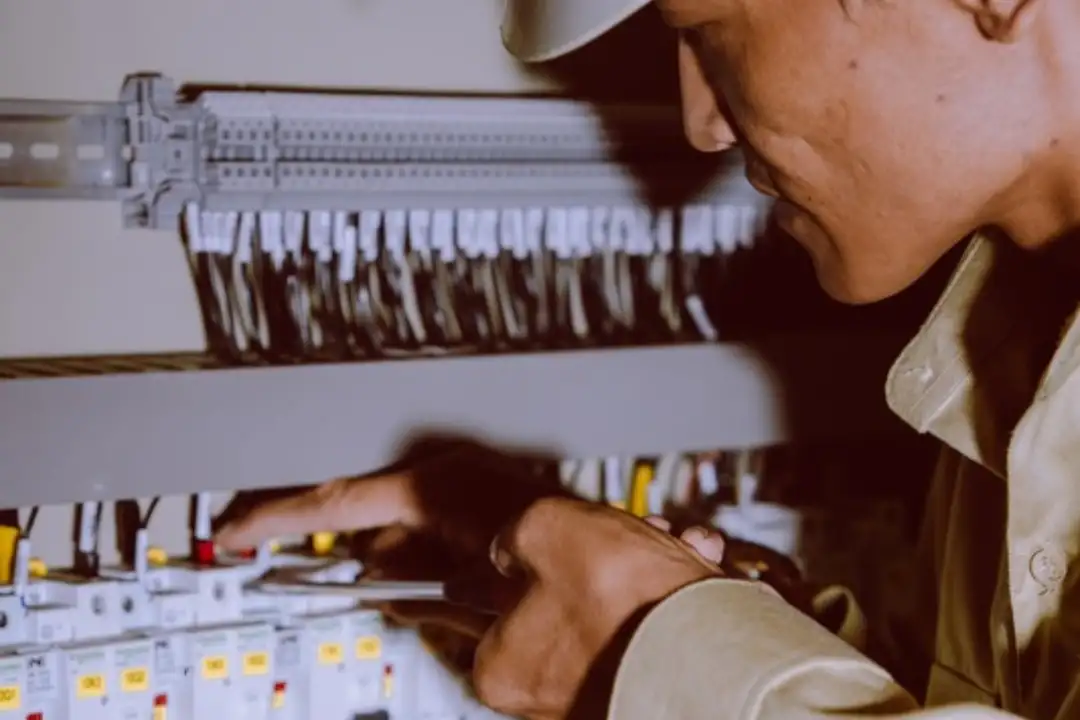
Electrical inspection before peak season should include checking distribution panels, tightening connections, testing breakers, inspecting cables, and reviewing load capacity. Signs of overheating, burning smells, flickering lights, or repeated power interruptions should never be ignored.
For buildings with high guest traffic, stable electricity supports safety, comfort, and operational continuity. It also protects expensive equipment from damage caused by unstable power conditions.
Plumbing systems affect daily comfort
Water issues can quickly become serious during peak occupancy. Guests expect clean water, stable pressure, proper drainage, and functioning bathrooms at all times.
A small plumbing problem can become a major complaint when many rooms are occupied. Low water pressure, clogged drains, leaking pipes, or water heater issues can disturb guest comfort and create operational stress.
Before peak season, property owners should inspect water pumps, storage tanks, valves, pipe joints, drainage lines, and water heaters. Any visible leak or moisture mark should be handled early. Drainage lines should be cleaned to prevent blockages during heavy use.
For hotels, villas, and public buildings, plumbing reliability is not only about comfort. It also protects the property from water damage, mold growth, and repair costs.
Fire protection systems should never be skipped
Fire protection is often ignored until inspections are required. This is risky. During peak season, buildings usually have more guests, staff, and daily activity. This increases the importance of having reliable safety systems.
Fire extinguishers, hydrants, sprinklers, alarms, smoke detectors, emergency lights, and fire pumps should be checked before occupancy rises. These systems must be ready to function immediately during emergencies.
Building owners should also make sure evacuation routes are clear and emergency signage is visible. In busy properties, safety systems must be part of routine preparation, not an afterthought.
A strong fire protection system protects lives, assets, and business continuity.
Lift and elevator systems need preventive inspection
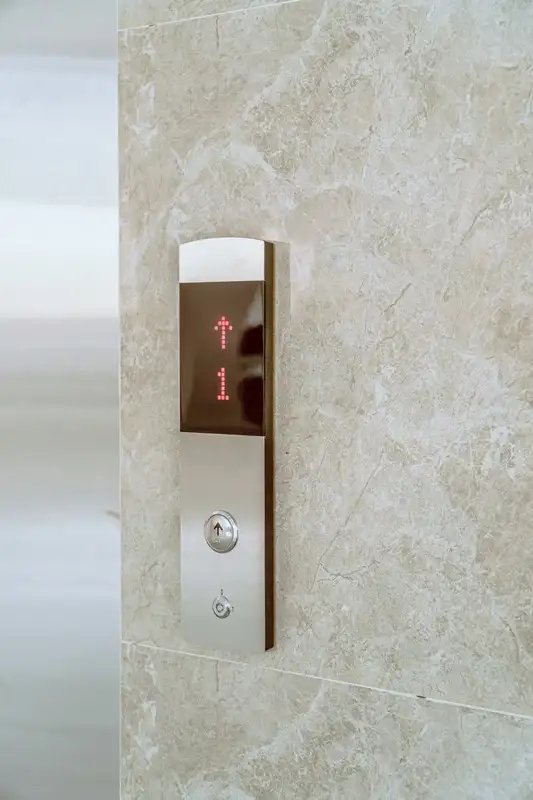
For multi level hotels, hospitals, offices, markets, and commercial buildings, lifts and elevators are essential. During peak occupancy, elevator usage increases significantly. More movement means more pressure on mechanical and electrical components.
Before peak season, owners should check lift operation, door sensors, control panels, leveling accuracy, emergency alarms, and backup systems. Any unusual noise, slow response, or uneven stopping should be inspected by professionals.
A lift breakdown during high occupancy can create frustration and operational issues, especially in buildings that serve elderly guests, patients, staff, or high visitor traffic.
Preventive lift maintenance helps ensure smooth vertical mobility and improves user confidence.
Building systems are connected
One common mistake is checking each system separately without understanding how they work together. In reality, building systems are connected.
HVAC systems need stable electricity. Plumbing pumps depend on electrical power. Fire fighting systems may rely on pumps, alarms, panels, and water supply. Elevators need mechanical precision and electrical reliability.
If one system fails, another system may be affected. That is why integrated inspection is more effective than isolated repairs.
For example, a water pump issue may not only affect plumbing. It may also affect fire protection readiness. An electrical problem may affect air conditioning, lighting, elevator operation, and security systems.
Preparing for peak season means looking at the building as one complete system.
The cost of waiting too long
Many property owners delay maintenance because everything still seems to work. This is understandable, but it can be expensive.
Systems often fail after showing small warning signs. A noisy AC unit, a weak water pump, a small leak, or a warm electrical panel may seem minor at first. During peak occupancy, those small issues can become serious failures.
Emergency repairs usually cost more than scheduled maintenance. They also create downtime. For hospitality properties, downtime can mean refunds, complaints, bad reviews, or lost bookings.
Preventive maintenance is usually easier, cheaper, and less stressful than emergency repair.
What owners should inspect before peak season
Property owners and building managers can start with a simple checklist.
Check air conditioning performance in all rooms. Clean filters and inspect drainage.
Inspect electrical panels, lighting, switches, sockets, and main power distribution.
Test water pressure, pumps, water heaters, and drainage lines.
Review fire extinguishers, alarms, hydrants, sprinklers, emergency lights, and exit routes.
Check lift operation, door movement, control response, and emergency functions.
Record every issue and prioritize repairs based on risk and operational impact.
This checklist does not replace professional inspection, but it helps owners understand which areas need attention.
Why professional inspection matters
Some maintenance tasks can be handled by internal teams. However, technical systems require professional inspection to ensure accuracy and safety.
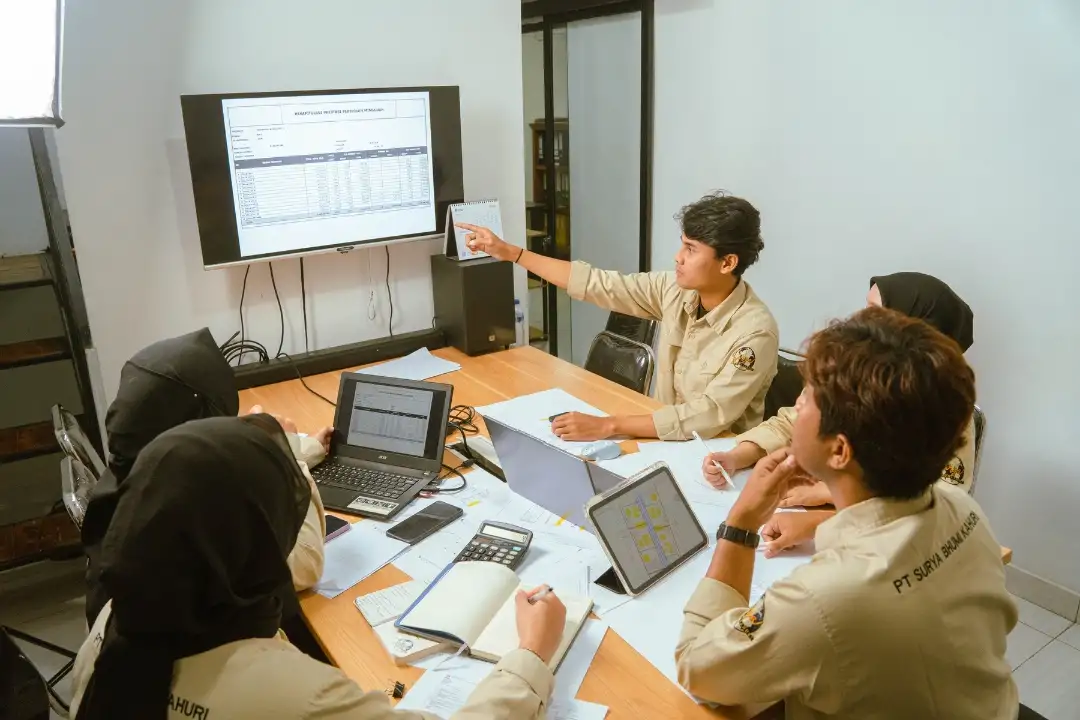
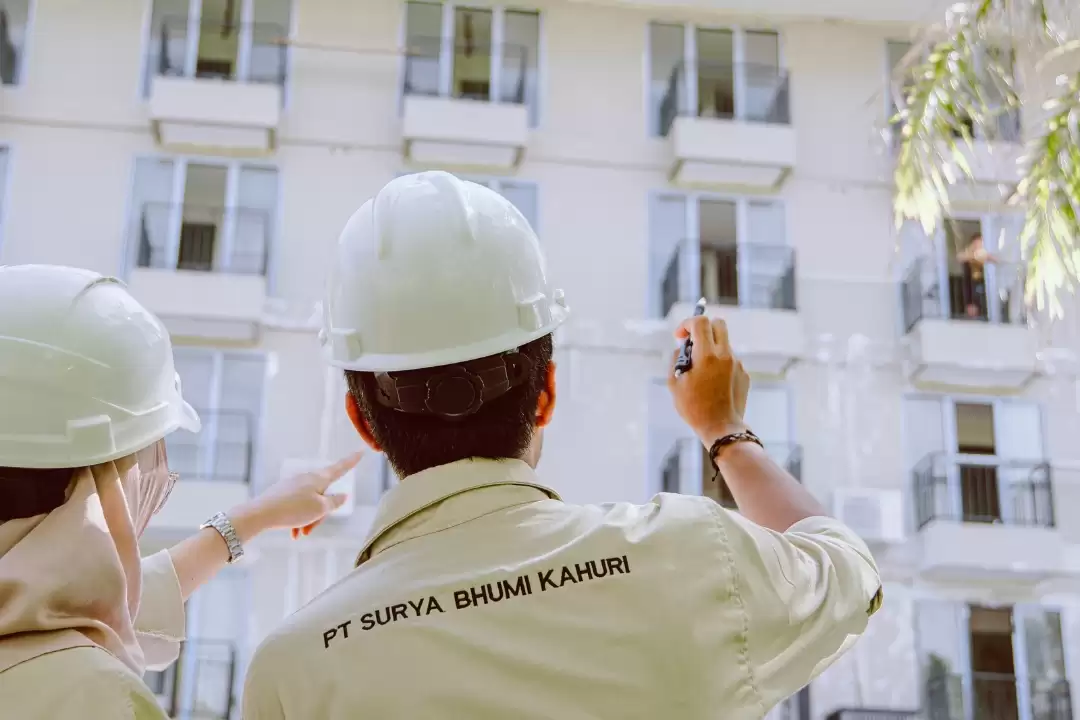
A professional MEP team can identify hidden issues that are not visible during daily operations. They can check system loads, test equipment performance, review installation conditions, and recommend proper corrective action.
For larger properties, professional inspection also provides documentation. This helps owners track maintenance history and plan future upgrades.
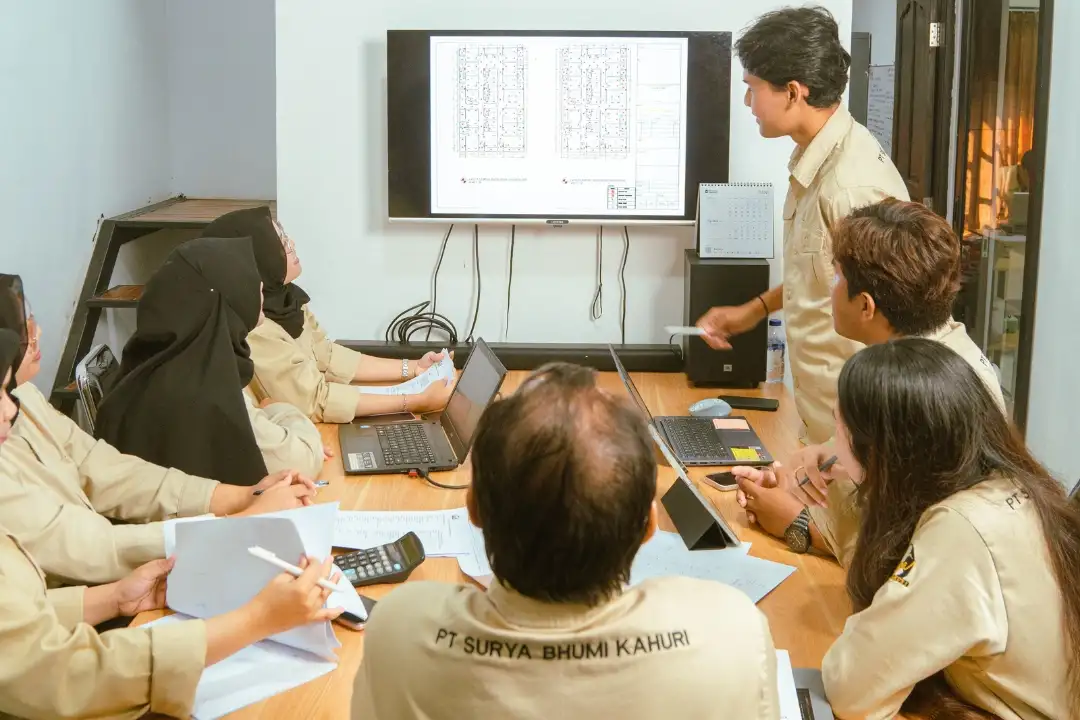
Surya Bhumi Kahuri supports building owners with integrated technical services covering electrical systems, HVAC, plumbing, fire protection, and lift systems. This integrated approach helps ensure that every system is checked with a complete understanding of the building’s operational needs.
Preparing systems means protecting reputation
In hospitality and commercial properties, reputation depends on consistency. Guests and visitors expect comfort, safety, and smooth service every day.
They may not see the electrical panel, pump room, ducting system, or lift machine room. But they feel the result of those systems. Comfortable air, stable lighting, clean water, safe movement, and reliable facilities all shape their experience.
A well maintained building gives confidence to guests, tenants, staff, and owners.
Preparing your building systems before peak occupancy season is one of the smartest steps property owners can take in Bali. As visitor activity increases around July and August, buildings must be ready to handle heavier use with stable performance.
HVAC, electrical, plumbing, fire protection, and lift systems should be inspected before problems appear. Early maintenance helps reduce repair costs, prevent downtime, improve safety, and protect the guest experience.
For hotels, villas, restaurants, public buildings, and commercial properties, June is the right time to prepare. A building that is technically ready will perform better when occupancy rises.
Surya Bhumi Kahuri provides integrated building system solutions for owners who want reliability, safety, and long term performance. With the right preparation, your property can enter peak season with more confidence and fewer unexpected issues.