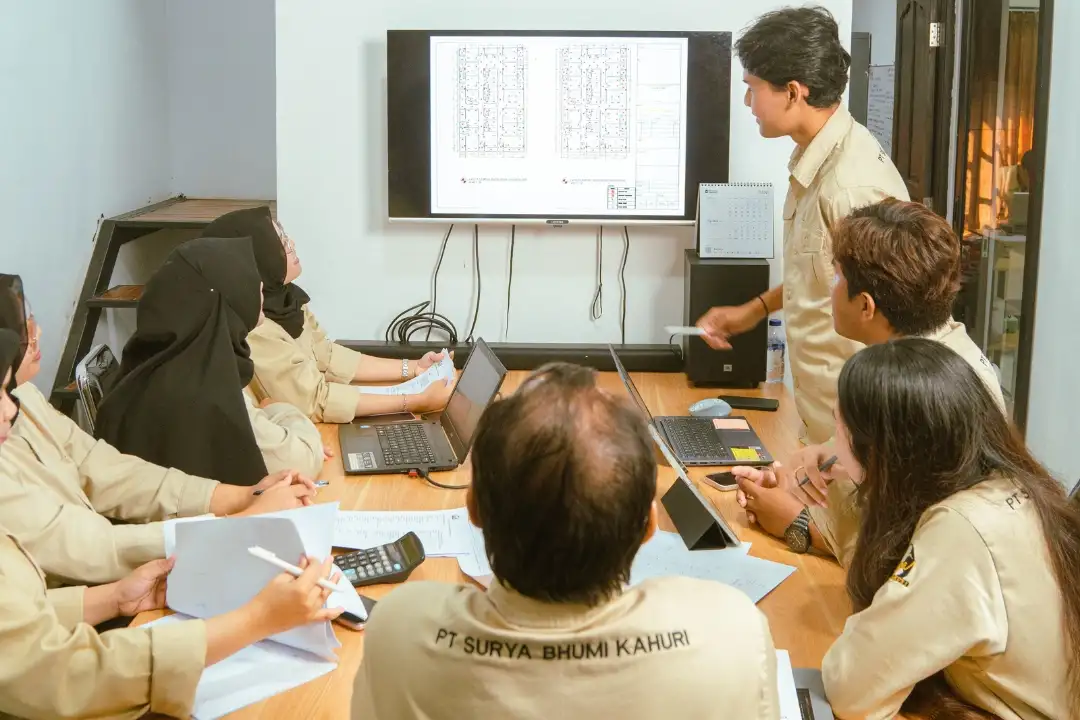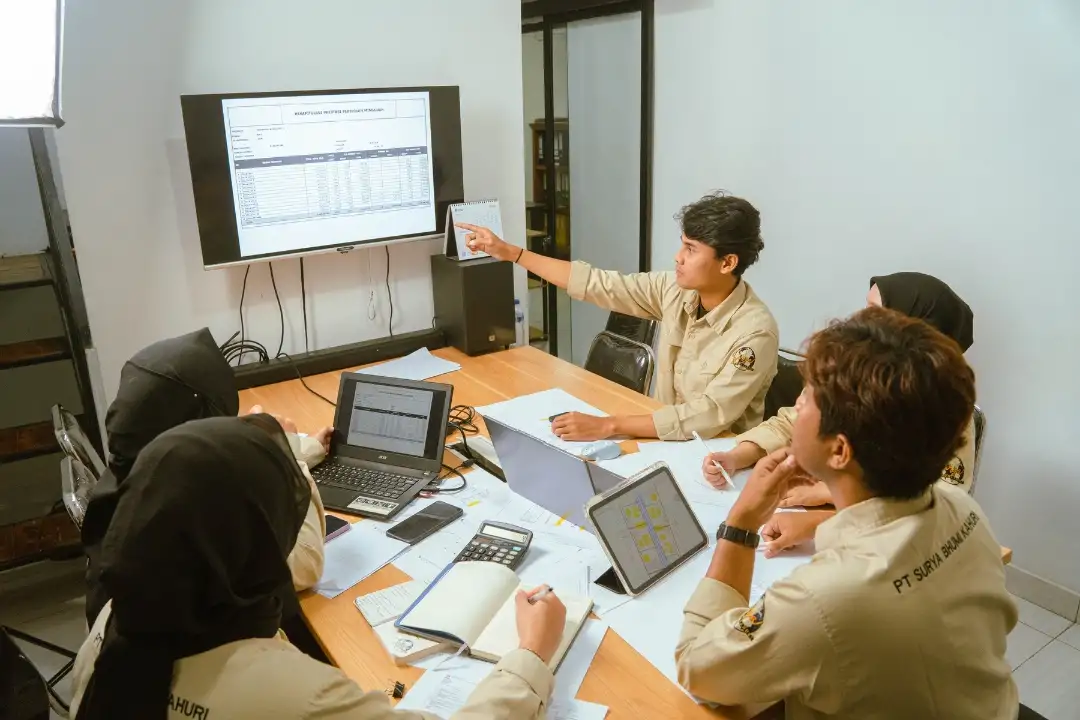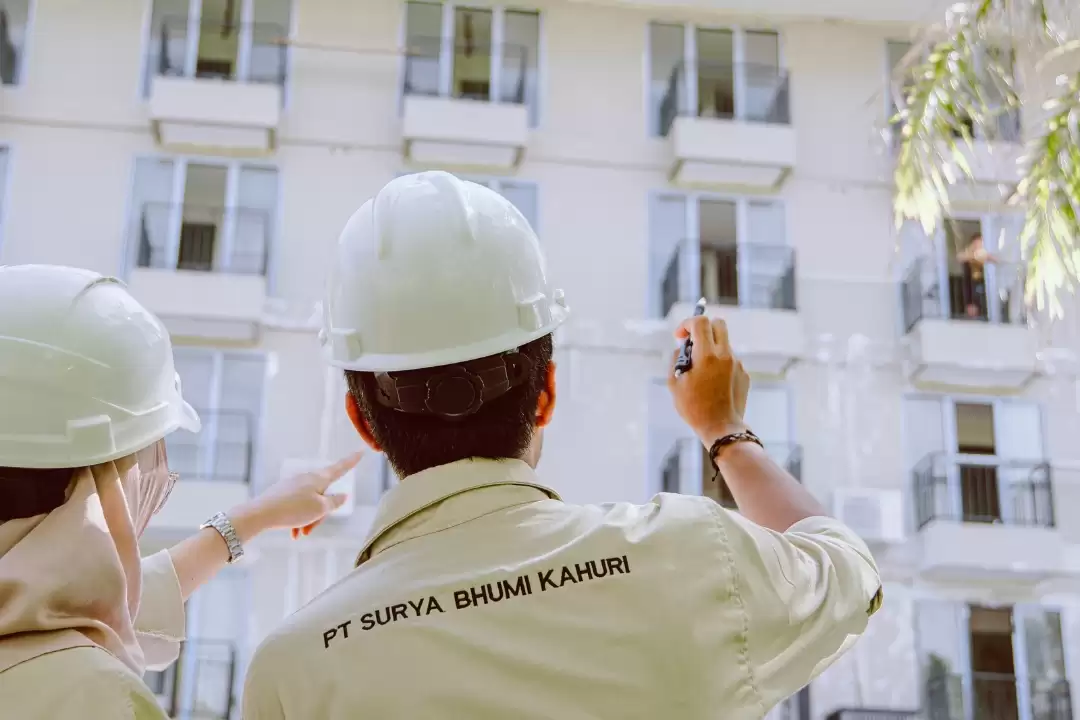

What SBK Learned from Handling MEP Projects Across Different Industries
No two buildings operate in exactly the same way.
A hospital, hotel, government facility, retail property, and residential development may all require electrical, mechanical, plumbing, HVAC, fire protection, and security systems.
However, the priorities behind those systems can be completely different.
A hospital focuses on reliability and supporting medical operations.
A hotel focuses on guest comfort and uninterrupted service.
A government building requires structured coordination and documentation.
A retail property needs systems that support customer experience and daily business activities.
A residential project prioritises comfort, efficiency, and long-term usability.
This is why experience across different industries matters for an MEP contractor Indonesia.
Technical knowledge is important, but understanding how each building operates is equally valuable.
Through experience across different project environments, PT. Surya Bhumi Kahuri has developed a deeper understanding that MEP work is not only about installing systems.
It is about adapting those systems to the needs, risks, users, and operational requirements of each building.
This cross-sector perspective supports SBK’s positioning as a multi sector contractor capable of handling different building requirements through coordinated technical execution.
Every Industry Has Different Priorities
At first glance, many building systems appear similar.
Every building needs electricity.
Every building needs water.
Many buildings require air conditioning.
Most commercial properties need safety and communication systems.
However, the reason behind each requirement changes depending on the building type.
The same technical system can have a different level of importance in different industries.
For example:
A hotel guest may notice air-conditioning comfort immediately.
A hospital may require more controlled environmental conditions for specific medical areas.
A retail customer may never see the technical systems but depends on smooth daily operations.
A government facility may require clear documentation and structured approval processes.
A residential building may focus more on comfort, reliability, and ease of maintenance.
A professional contractor must understand these differences before planning the installation.
The goal is not simply completing the technical scope.
The goal is creating a building system that supports how the property will actually be used.
Hospital Projects: Reliability and Technical Precision
Healthcare facilities are among the most demanding building environments.
A hospital is not only a place with rooms, corridors, and equipment.
It is an operational environment where multiple systems need to support patients, medical teams, and critical activities.
A hospital project may involve complex coordination between:
- Electrical systems
- HVAC and ventilation
- Plumbing systems
- Fire protection
- Communication systems
- Security systems
- Specialist medical areas
- Equipment requirements
The importance of reliability becomes much higher because technical interruptions can affect daily healthcare activities.
Hospital projects also require careful attention to:
- Safety requirements
- Access for maintenance
- Inspection procedures
- Testing processes
- Documentation
A system that works during construction must also remain understandable and maintainable after handover.
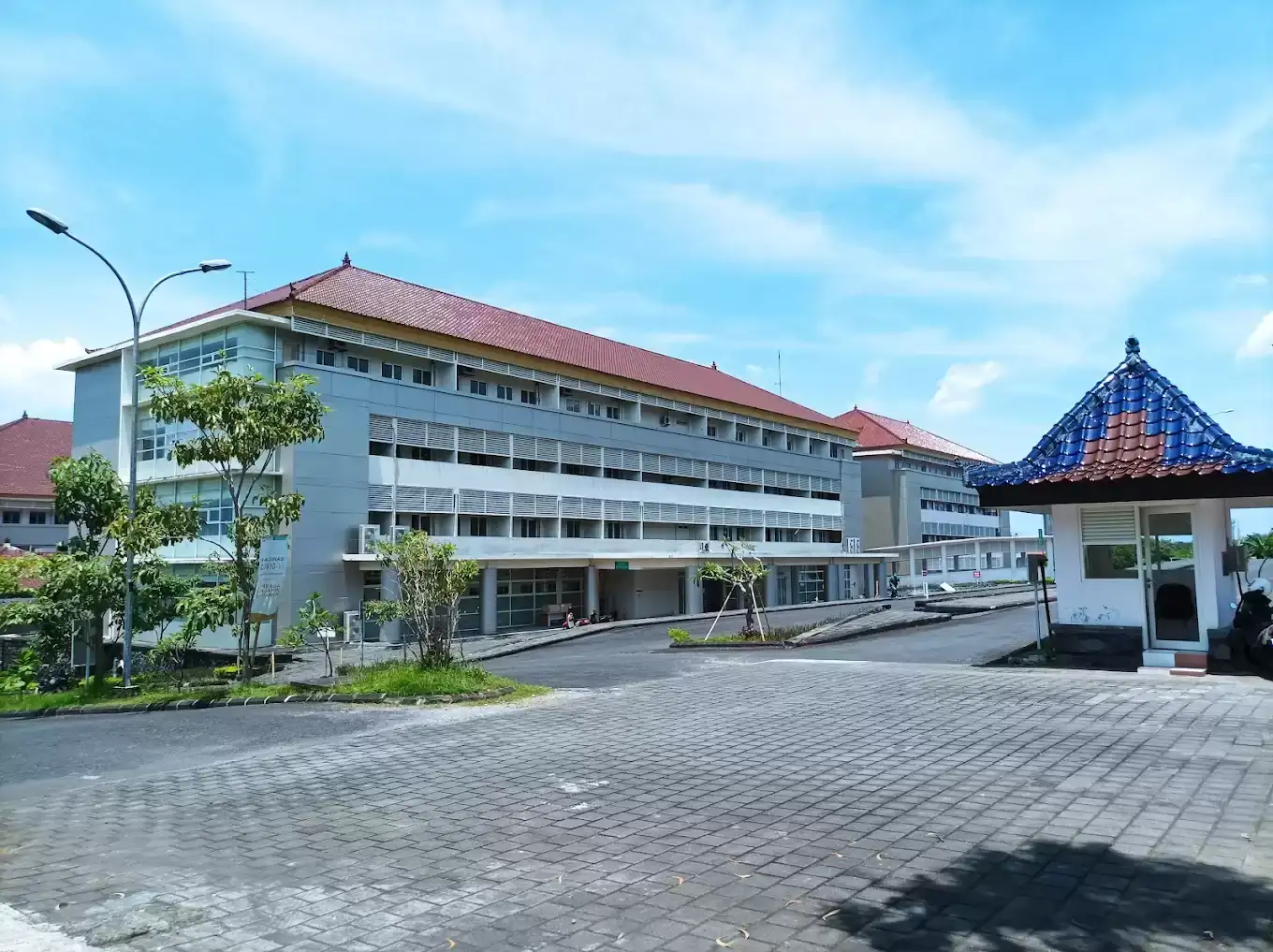
SBK’s healthcare portfolio includes projects such as RS Udayana, Bali Royal Hospital, RSUD Buleleng, RSUD Klungkung, RSUD Sanjiwani Gianyar, RS Bhayangkara Denpasar, and RS Siloam Badung.
Each healthcare environment provides experience in working with different project conditions and stakeholder requirements.
The lesson from healthcare projects is clear:
In medical facilities, technical quality is not only about installation.
It is about supporting continuous operation.
Hotel Projects: Comfort and Guest Experience
Hotels may appear simple from a guest perspective.
A visitor sees rooms, restaurants, pools, lobbies, and public areas.
Behind that experience is a network of building systems that must operate smoothly every day.
A hotel project requires attention to:
- Guest comfort
- Energy efficiency
- Public-area functionality
- Operational continuity
- Maintenance access
- Safety systems
HVAC performance becomes particularly important because temperature and airflow directly influence guest experience.
Electrical systems support lighting, equipment, guest-room functions, kitchens, and operational areas.
Plumbing systems support bathrooms, kitchens, water supply, and facility operations.
Fire protection and security systems support safety.
The challenge is that these systems must often operate while the property continues serving guests.
This requires careful coordination during installation and maintenance.
A good hotel MEP solution considers not only how the system works technically, but also how it affects daily operations.
The lesson from hospitality projects:
A successful building system should support the experience people feel, even when they never see the technical work behind it.
Government Projects: Coordination and Accountability
Government buildings often involve structured processes and multiple stakeholders.
A government project may require coordination between:
- Project owners
- Government representatives
- Consultants
- Main contractors
- Procurement teams
- Technical supervisors
In this environment, communication and documentation become extremely important.
The technical team needs to maintain clear records of:
- Project progress
- Approved changes
- Inspection results
- Testing activities
- Completion documents
The work is not only measured by whether the installation exists.
It is also measured by whether the process can be properly documented and reviewed.
SBK’s government portfolio includes projects such as:
- Istana Tampaksiring
- Polda Bali
- DPRD Denpasar
- Kantor Walikota Denpasar
- Kantor Bupati Klungkung
- BPS Denpasar
These projects strengthen SBK’s understanding of working within structured project environments.
The lesson from government projects:
Professional execution requires both technical ability and administrative discipline.
Retail Projects: Supporting Daily Business Operations
Retail buildings depend heavily on systems that support customer experience and business continuity.
A technical issue inside a retail property can affect:
- Customer comfort
- Store operations
- Lighting
- Security
- Equipment performance
- Daily activities
A retail project requires systems that are reliable while supporting a busy environment.
Electrical systems must support various loads.
HVAC systems must maintain comfortable conditions.
Security systems help protect assets and operations.
Fire protection systems must remain ready.
The technical team must also consider installation access and future maintenance without unnecessarily affecting business activities.
The lesson from retail projects:
Building systems should support business operations without becoming a disruption.
Residential Projects: Comfort and Long-Term Usability
Residential buildings may have different priorities compared with commercial properties.
The focus is often on:
- Comfort
- Reliability
- Practical operation
- Maintenance simplicity
- Long-term value
A residential project may involve different expectations depending on whether it is a private residence, villa development, apartment building, or housing project.
Even smaller-scale properties still require properly planned systems.
Poor installation decisions can create long-term issues such as:
- Difficult maintenance
- Inefficient operation
- Limited access
- Future repair challenges
The lesson from residential projects:
Good building systems should remain practical long after construction is completed.
The Common Challenge: Coordination Between Systems
Although industries have different priorities, one challenge remains consistent:
MEP systems must work together.
Electrical, mechanical, plumbing, HVAC, fire protection, and security systems often share the same building spaces.
Without proper coordination, problems can occur:
- Installation conflicts
- Delayed work
- Revisions
- Additional costs
- Difficult maintenance access
This is why integrated building systems are important.
Integration does not mean every project requires every possible service.
It means each required system is planned as part of the whole building.
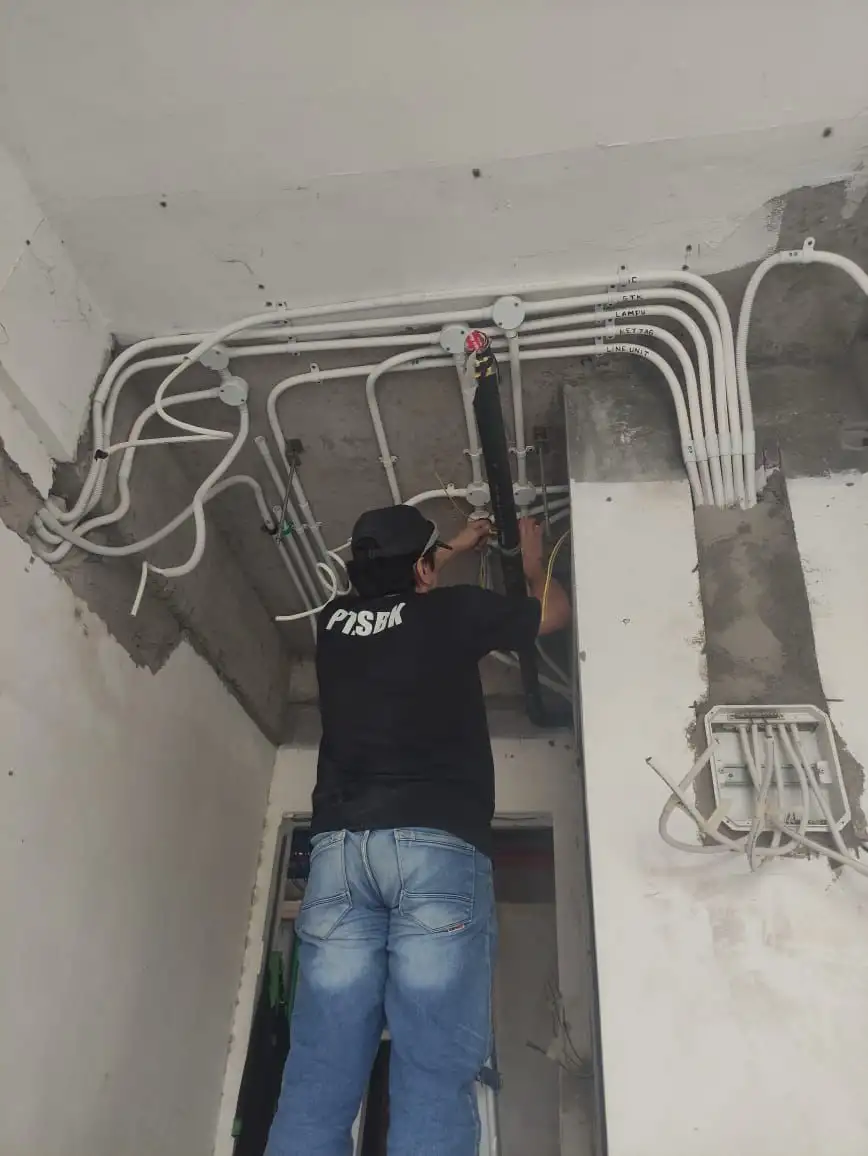
A cable route should consider HVAC space.
A plumbing route should consider structural conditions.
Equipment placement should consider future maintenance.
Fire protection should coordinate with ceilings, electrical systems, and building layouts.
The building works best when every system understands its relationship with the others.
Adaptability Is a Key Skill in MEP Projects
Every construction project has differences.
Even two hospitals or two hotels may have completely different requirements.
The site conditions are different.
The design team is different.
The operational expectations are different.
The timeline and coordination process are different.
This means a contractor cannot depend only on previous experience.
Experience becomes valuable when it helps the team adapt.
A strong MEP team should be able to:
- Review new project conditions
- Understand client priorities
- Coordinate with different stakeholders
- Adjust installation approaches
- Solve technical challenges
- Maintain quality standards
Past projects provide knowledge.
Adaptability turns that knowledge into better execution.
Documentation Connects Construction With Future Operations
One important lesson across all industries is the value of documentation.
A building does not end when construction finishes.
The facility team needs information to operate and maintain the systems.
Depending on the confirmed scope, documentation may include:
- Installation records
- Inspection reports
- Testing results
- Equipment information
- Updated drawings
- Completion documents
Good documentation helps future teams understand what was installed, how systems connect, and what maintenance may be required.
For hospitals, hotels, government facilities, retail properties, and residential projects, documentation supports long-term building performance.
One Team for Different Building Needs
The biggest lesson from working across industries is that every project has its own priorities.
A hospital needs reliability.
A hotel needs guest comfort.
A government facility needs structured execution.
A retail property needs operational support.
A residential project needs long-term usability.
But every project needs the same foundation:
Professional coordination, clear communication, quality execution, and reliable building systems.
PT. Surya Bhumi Kahuri provides integrated Building and MEP services across:
- Building Construction
- Mechanical Systems
- Electrical Systems
- Plumbing Systems
- HVAC
- Fire Fighting
- Electronic and Security Systems
- Lead Shielding
- Modular Operating Theatre
- Elevator Installation
- Maintenance
Through the principle of One Team for All Building Systems, SBK helps clients manage connected technical requirements through one coordinated approach.
With experience across healthcare, government, hospitality, commercial, and residential projects, SBK understands that every building has different challenges.
The technology may be similar.
The purpose is always different.
And the best building systems are the ones designed around how people actually use the space.