Why Dry Season Is the Right Time for Construction and MEP Installation in Bali
Bali’s dry season is one of the most practical periods for construction and MEP installation. For owners, developers, and project managers, weather is not just a background condition. It affects site access, worker productivity, material protection, installation quality, and project timelines.
July sits within Bali’s dry season, making it a strategic month to start or continue building work. With lower rainfall and more stable site conditions, many construction activities can be carried out more efficiently. This is especially important for projects involving structural work, outdoor installation, rooftop systems, underground piping, electrical routing, HVAC units, fire protection networks, and lift preparation.
For property owners planning hotels, villas, commercial buildings, public facilities, or institutional projects, choosing the right season can reduce risk and improve project control.
Better Weather Means Smoother Site Progress
Construction projects depend heavily on site conditions. Heavy rain can delay excavation, concrete work, material delivery, roofing, and external installation. Wet ground can slow workers down and make certain areas unsafe. Materials may also need extra protection from moisture.
During the dry season, project teams can work with fewer weather interruptions. Site preparation becomes easier. Outdoor work becomes more predictable. Material handling is safer and cleaner.
This does not mean every project will run without challenges, but dry season conditions give owners and contractors a better foundation for planning. A more stable schedule also helps reduce unexpected costs caused by repeated delays.
MEP Installation Needs Dry And Stable Conditions
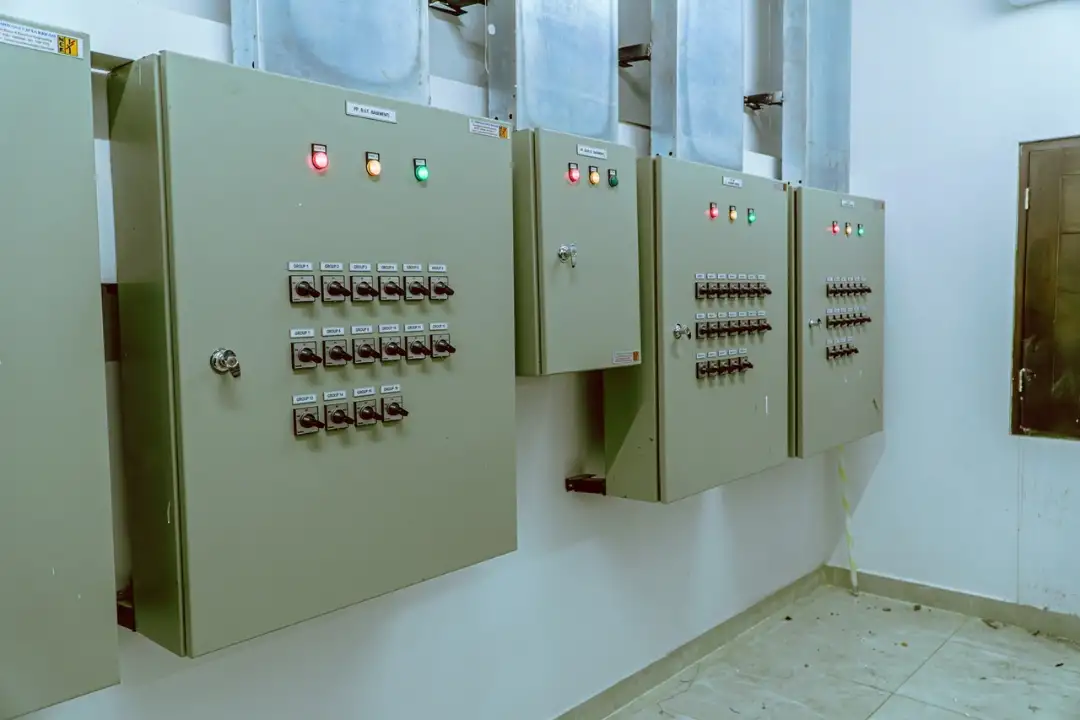
MEP systems include mechanical, electrical, and plumbing work. These systems are highly sensitive to timing and coordination. Many MEP activities require access to ceilings, walls, shafts, rooftops, and underground areas.
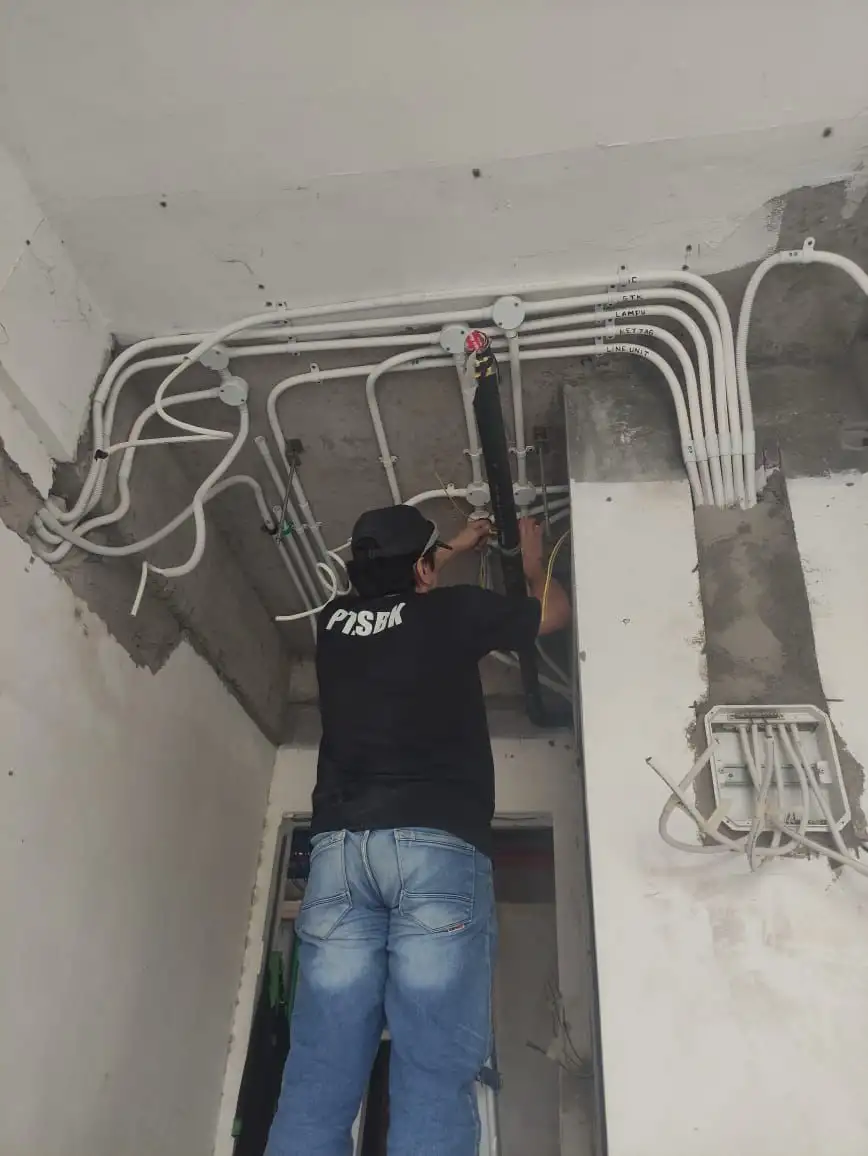
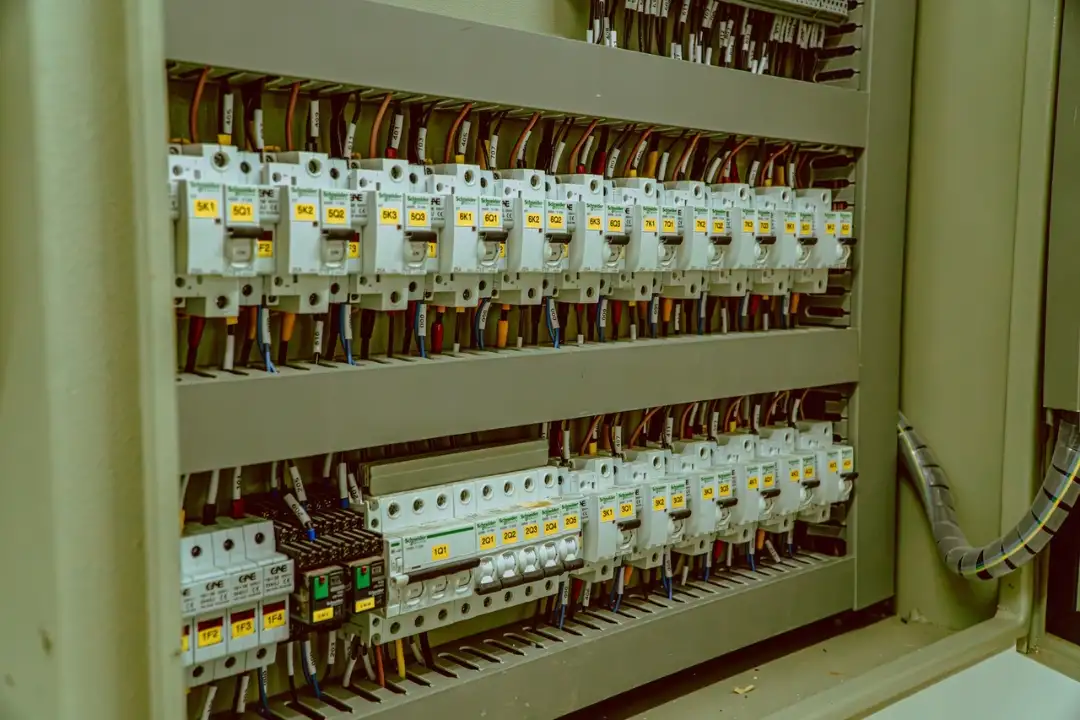
Electrical installation benefits from dry conditions because moisture can create safety risks and damage components. Cable routing, panel installation, grounding systems, and lighting preparation must be handled carefully.
Plumbing installation also becomes easier when site conditions are stable. Underground piping, drainage work, pump systems, and water supply lines require clear access and accurate positioning.
HVAC work often involves both indoor and outdoor installation. Outdoor condenser placement, ducting routes, ventilation systems, and rooftop units need proper coordination. Dry weather helps technicians complete this work more efficiently and safely.
Easier Rooftop And External System Work
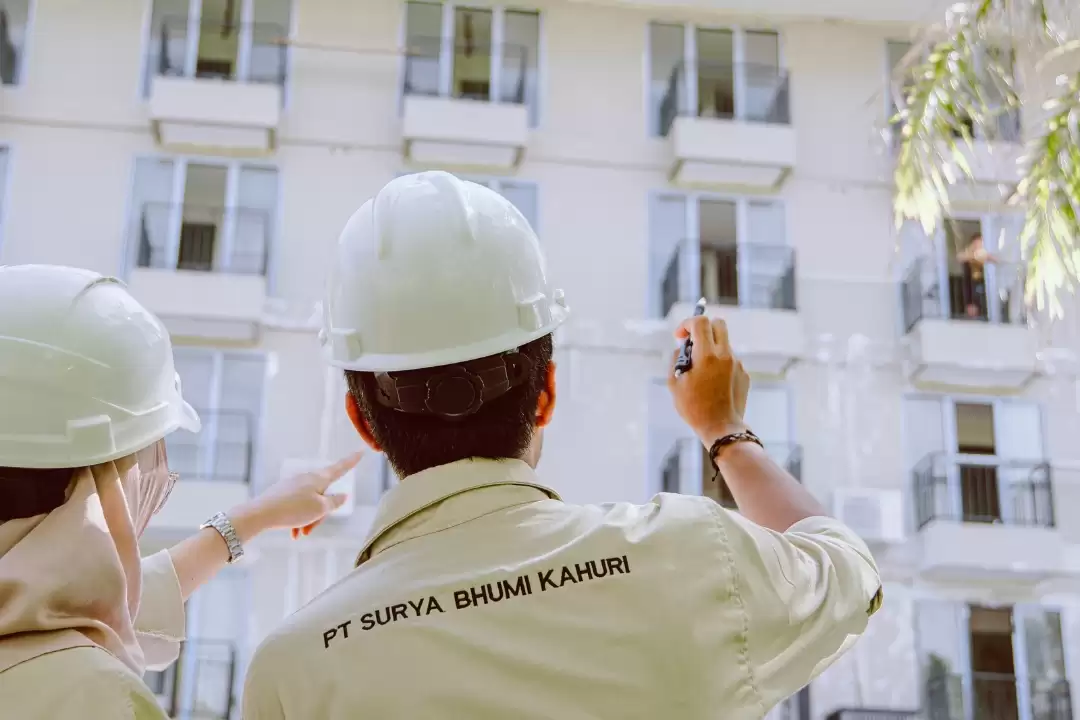
Many building systems are placed outside the main interior area. This includes HVAC outdoor units, exhaust systems, ventilation equipment, water tanks, fire protection pipes, cable trays, and lift support components.
These systems require careful positioning because they affect both performance and maintenance access. Rain and slippery surfaces can slow down installation and increase safety risks.
The dry season creates better conditions for rooftop and external system work. Teams can install equipment with more accuracy. Waterproofing and finishing work can also be coordinated more effectively.
For hotels, villas, and commercial properties in Bali, external systems must often be hidden or arranged neatly to maintain visual quality. More stable weather gives the team enough time to coordinate technical performance with architectural appearance.
Better Coordination Between Teams
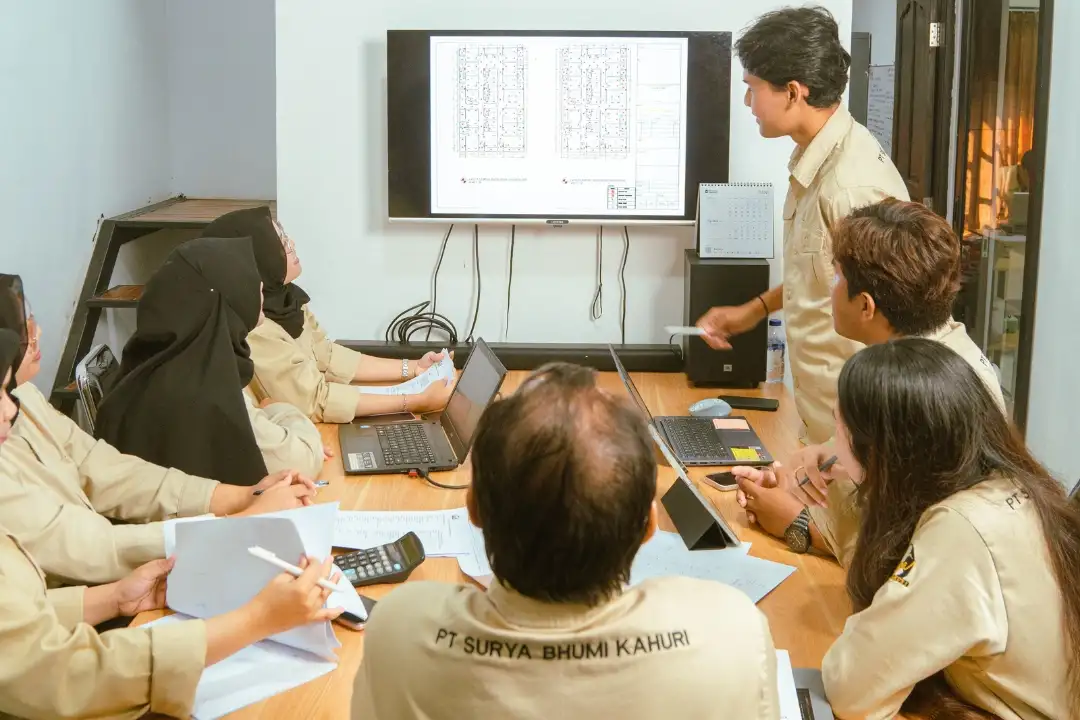
Construction projects involve many teams. Civil workers, architects, interior teams, electricians, HVAC technicians, plumbers, fire safety specialists, and lift installers must work in the right sequence.
When weather is unpredictable, coordination becomes more difficult. One delayed activity can affect many other teams. For example, roofing delays can slow electrical and HVAC installation. Wet site conditions can delay underground plumbing. Exterior work may need to be rescheduled repeatedly.
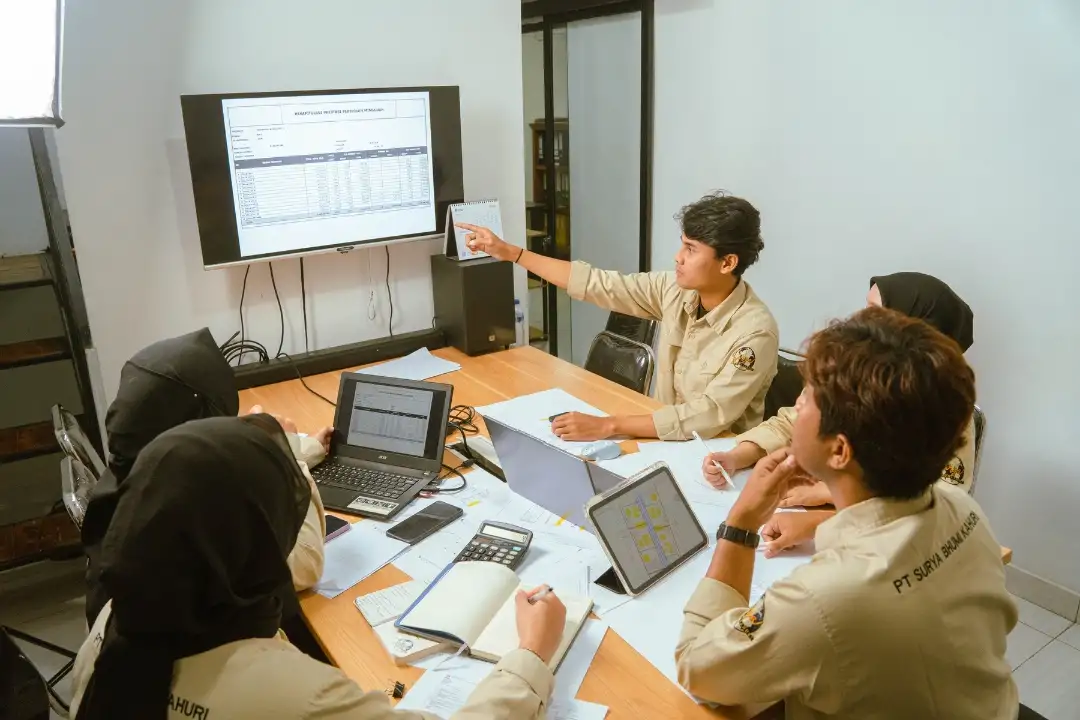
During the dry season, coordination becomes more reliable. Teams can plan weekly and monthly targets with greater confidence. This helps reduce idle time and prevents work from overlapping in a messy or unsafe way.
Lower Risk Of Material Damage
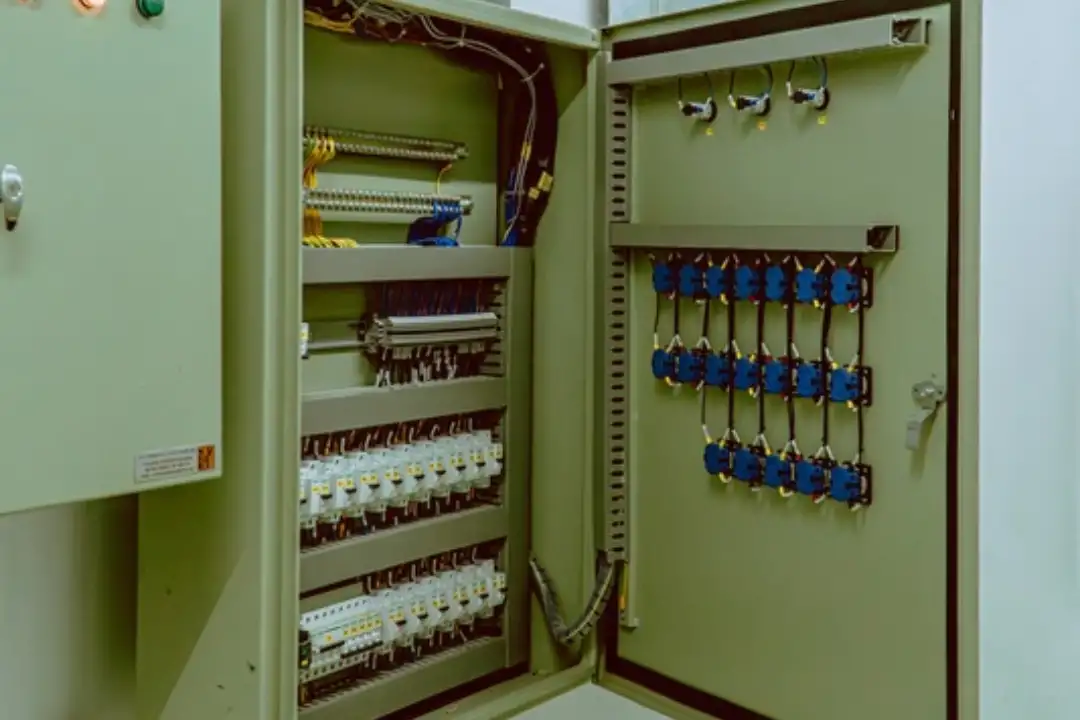
Building materials and technical equipment must be protected carefully. Electrical panels, cables, insulation materials, ducting components, pumps, controls, and finishing materials can be affected by moisture.
When installation happens during heavy rain periods, extra storage and protection are required. Poor material handling can lead to rust, corrosion, mold, or reduced equipment performance.
Dry season conditions help reduce these risks. Materials can be stored, moved, and installed with better control. This supports quality and reduces replacement costs.
For MEP work, material quality is closely tied to long term building performance. A small issue during installation can create maintenance problems later.
Better Time For Project Inspection and Testing
Installation is not complete until systems are tested properly. Electrical systems must be checked for safety and load performance. Plumbing systems need pressure testing and leak checks. HVAC systems need airflow balancing and performance calibration. Fire protection systems require inspection and readiness testing.
Dry season conditions make testing and commissioning easier. Technicians can inspect outdoor and indoor components with fewer interruptions. Access is safer. Equipment can be tested under stable site conditions.
Testing is a critical step because it confirms that systems are ready for daily operation. A building may look complete, but it is not truly ready until its systems work safely and efficiently.
Useful Timing For Year end Project Targets
Many property owners in Bali want projects to progress before the end of the year. Hotels, villas, restaurants, and commercial buildings often plan upgrades or openings around holiday demand.
Starting construction or MEP installation in July gives owners time to move forward before the year end period. It allows enough time for system planning, procurement, installation, testing, correction, and final handover.
This is especially useful for projects that need strong technical systems. Rushing MEP work near the end of the project can create serious problems. Early execution during the dry season gives teams more time to work properly.
Good Season For Renovation and System Upgrades
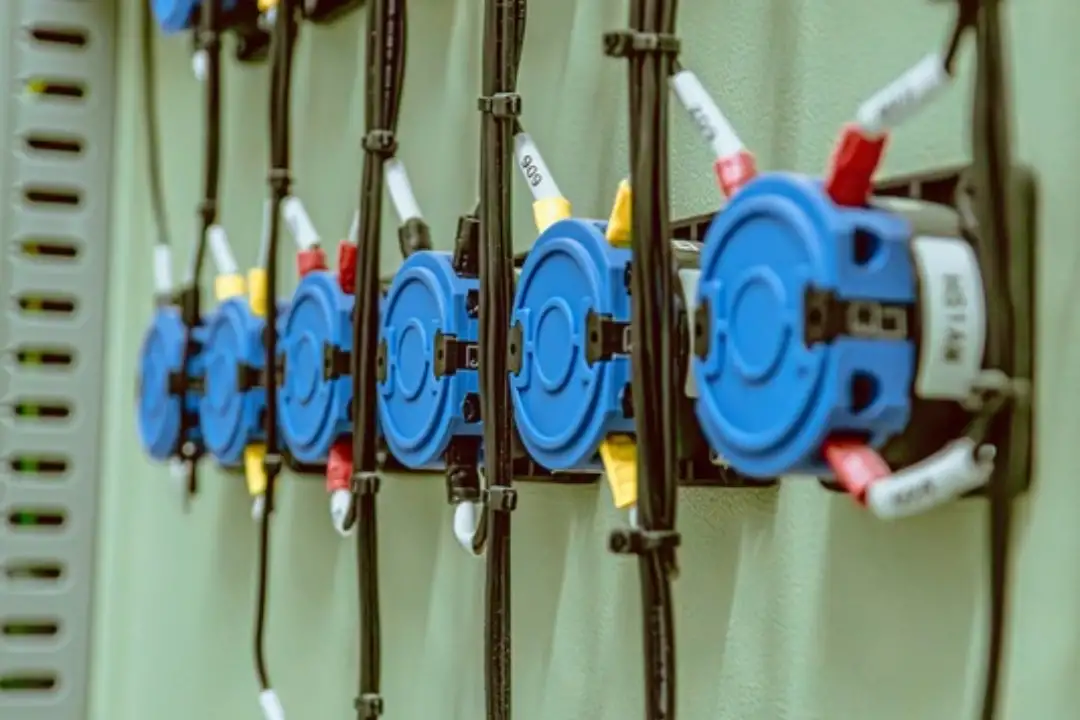
Dry season is not only good for new buildings. It is also a good time for renovation and system upgrades.
Many existing properties in Bali use July to inspect or improve their building systems. This may include replacing old electrical panels, upgrading air conditioning, improving plumbing, adding fire protection, or preparing lift systems.
Renovation projects require careful timing because the building may still be operating. Dry weather helps reduce disruption and allows technical teams to work more efficiently.
For villas, hotels, restaurants, and public facilities, system upgrades during the dry season can help prevent bigger issues during peak occupancy periods.
Stronger Long Term Performance
The season when a project starts can influence its long term quality. Work completed under better site conditions is often cleaner, safer, and easier to control.
For MEP installation, precision matters. Cable routes must be neat. Pipe slopes must be accurate. HVAC equipment must be positioned correctly. Fire protection systems must be accessible and reliable. Lift systems must be aligned and tested properly.
Dry season conditions support this level of precision. When the site is easier to manage, the team can focus more on quality.
A building with properly installed systems will be easier to operate, easier to maintain, and more reliable over time.
Why Owners Need The Right Technical Partner
Good weather helps, but it is not enough. Owners still need an experienced construction and MEP partner who understands planning, installation, coordination, and testing.
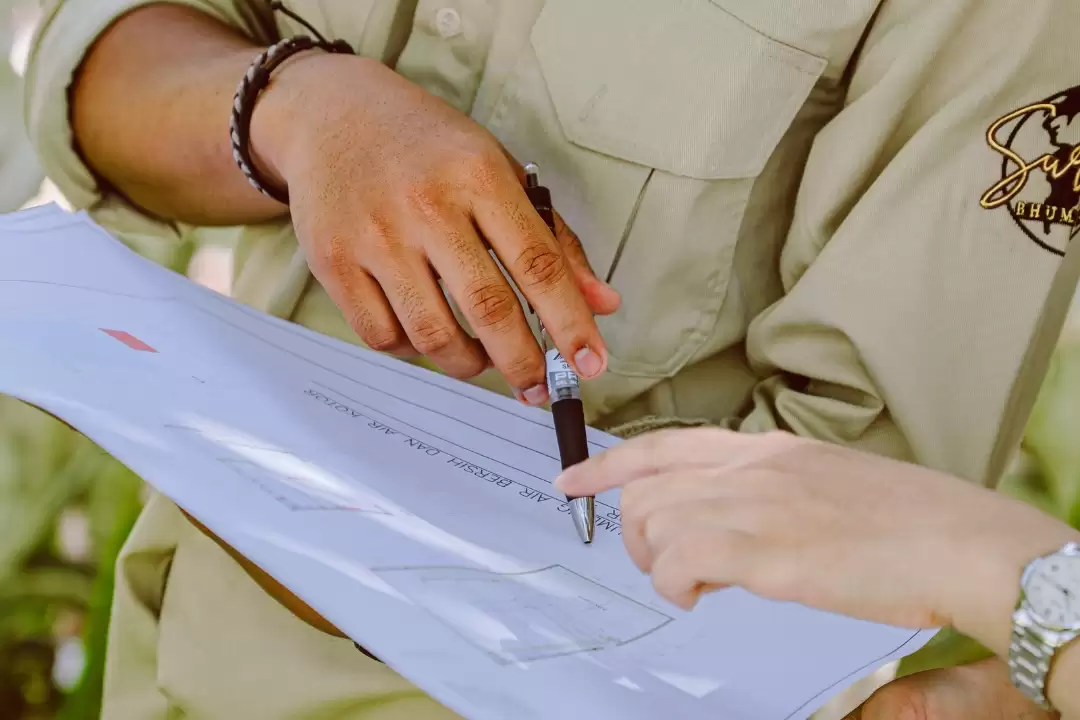
The right partner can help owners decide the best sequence of work. They can review technical drawings, check site conditions, coordinate teams, and ensure each system is installed according to standards.
Surya Bhumi Kahuri provides integrated technical services for construction and building systems in Bali. This includes electrical systems, HVAC systems, plumbing systems, fire fighting systems, electronic and security systems, lift and elevator systems, and maintenance support.
With one integrated team, owners can reduce coordination problems and improve project efficiency.
Dry season is one of the best times for construction and MEP installation in Bali. July offers more stable weather, better site access, safer outdoor work, easier coordination, and lower risk of material damage.
For owners planning new buildings, renovations, or system upgrades, this season provides a valuable window to move projects forward with better control. It is especially useful for work involving electrical systems, HVAC, plumbing, fire protection, lift systems, and other technical infrastructure.
A successful building project depends on timing, planning, and the right team. By starting during the dry season and working with an experienced technical partner, owners can reduce delays, protect quality, and prepare their buildings for long term performance.
Surya Bhumi Kahuri supports building owners and developers in Bali with integrated construction and MEP solutions designed for safety, efficiency, and reliable operation.