Why Engineers Get Excited When Every Cable Is Properly Labelled
To most people, a small label attached to a cable may look unimportant.
A few numbers.
A short description.
A simple identification tag.
Nothing impressive.
But for engineers, technicians, and maintenance teams, a properly labelled cable represents something much bigger.
It means the system is organised.
It means information is available.
It means future inspections can be completed faster.
It means troubleshooting does not have to become a guessing game.
This is why many engineers appreciate one simple detail that often separates an ordinary electrical installation from a professional one:
Proper cable labelling.
In a modern building, thousands of cables may support different systems.
They supply power to lighting, equipment, HVAC systems, pumps, communication devices, security systems, and other operational requirements.
Without clear identification, even a technically correct installation can become difficult to understand later.
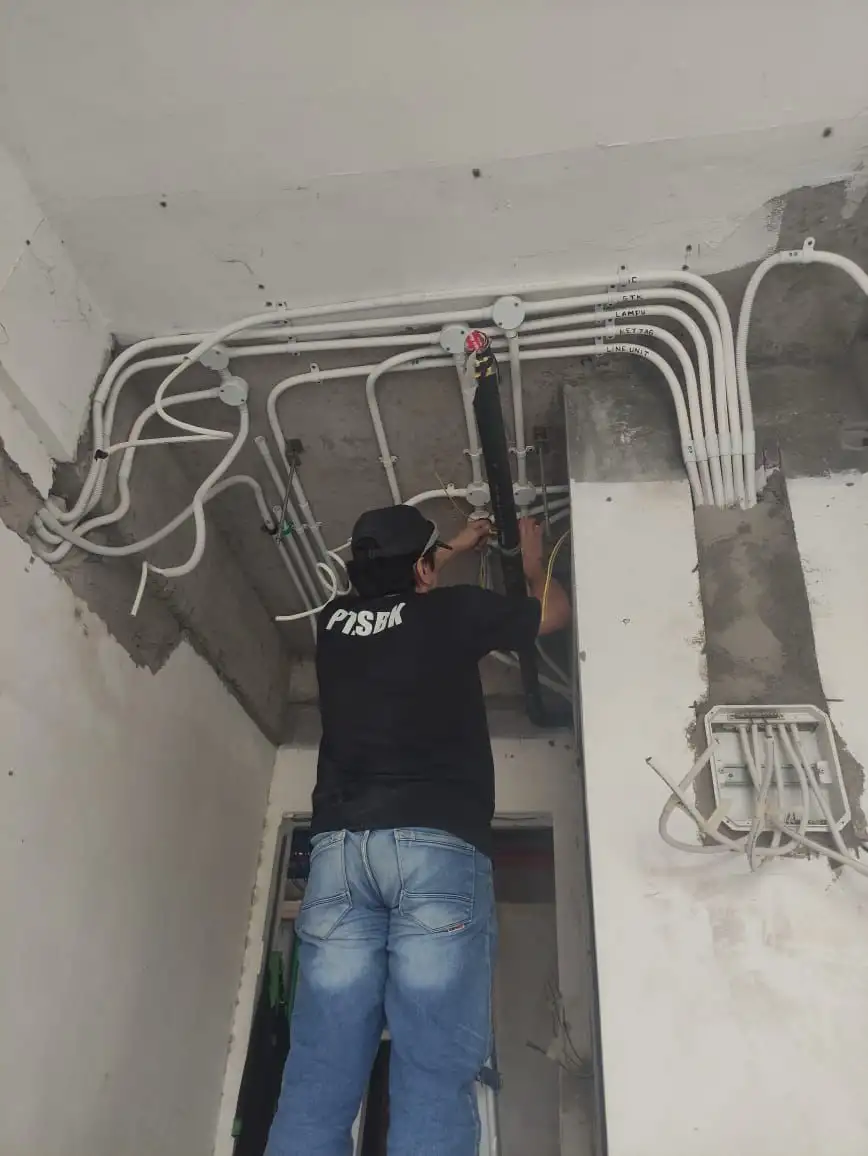
For an experienced electrical contractor, cable management is not only about arranging cables neatly.
It is about creating an electrical system that remains understandable throughout the building’s operational life.
The Moment Engineers Notice a Clean Electrical Installation

Every engineer knows the feeling.
A project reaches the inspection stage.
The electrical panels are opened.
The cable routes are reviewed.
The connections are checked.
Then they see it:
Clean cable arrangement.
Clear identification.
Organised panel labeling.
Everything has a place.
For someone outside the engineering world, it may not create the same excitement.
But for technical teams, this is a sign that the project has been handled carefully.
A clean electrical installation tells engineers that the team considered more than just getting electricity from one point to another.
They considered:
- Future maintenance
- Faster troubleshooting
- Safer inspection
- Clear documentation
- Long-term usability
The building is not only ready to operate.
It is easier to understand.
Why Cable Labelling Matters After Handover
During construction, the original installation team knows the system.
They understand which cable connects to which panel.
They know where equipment connections are located.
They remember the changes made during installation.
But after handover, the building enters a different phase.
New engineers and maintenance teams may need to inspect, repair, or modify the system.
This is where proper cable identification becomes valuable.
Imagine a maintenance technician investigating a power issue.
Without labels, they may need to trace multiple cables manually.
This process can take longer and create unnecessary uncertainty.
With proper cable labelling, the technician can quickly understand:
- Where the cable comes from
- Where the cable goes
- Which equipment it supports
- Which circuit it belongs to
A small label can save significant time.
This is why professional electrical installation includes thinking beyond project completion.
The system should support the people who maintain it later.
Faster Troubleshooting When Problems Occur
Electrical problems can happen even in professionally built facilities.
Equipment may experience issues.
Connections may require inspection.
A circuit may need checking.
When this happens, time matters.
The faster the problem can be identified, the faster the system can return to normal operation.
Proper cable management and identification help engineers follow the system more efficiently.
Instead of asking:
“Which cable is this?”
The team can immediately understand:
“This cable supplies this equipment through this panel.”
This reduces unnecessary investigation.
For commercial buildings, faster troubleshooting can help reduce disruption.
Hotels, hospitals, offices, retail properties, and government facilities depend on reliable electrical systems.
A delay in identifying a problem can affect daily operations.
Good labelling supports a more efficient response.
Panel Labeling Creates Better System Understanding
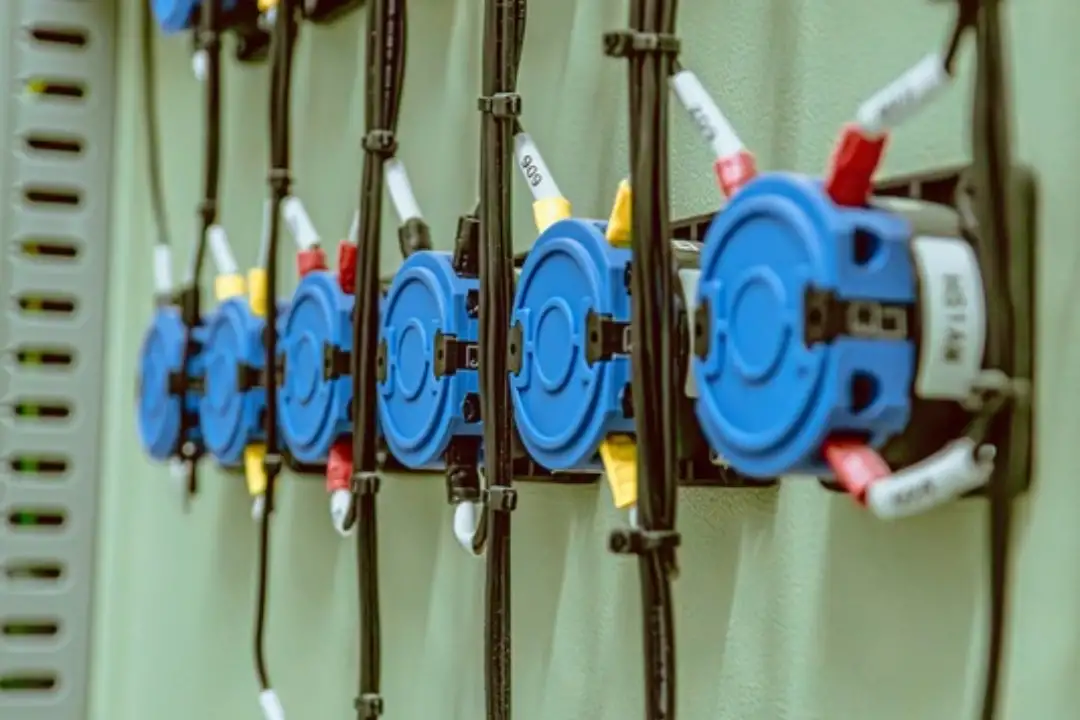
Cable labels are only one part of electrical organisation.
Panel labeling is equally important.
Electrical panels are central points where power is distributed and controlled.
A well-organised panel should help engineers understand:
- Circuit allocation
- Connected equipment
- Power distribution
- Protection devices
- System arrangement
Clear panel identification supports:
- Safer inspection
- Easier maintenance
- Better troubleshooting
- More accurate documentation
A panel without proper information creates unnecessary challenges.
Engineers may need additional time to identify circuits or confirm connections.
A professionally labelled panel creates confidence because the system communicates clearly.
Good electrical work is not only about what happens inside the panel.
It is also about whether people can understand it afterward.
Better Maintenance Access Starts With Good Installation
Maintenance is often considered after construction.
However, good maintenance begins during installation.
Cable routes, labels, panels, and access points should be planned with future inspections in mind.
A professional electrical contractor considers:
- Cable organisation
- Access requirements
- Identification systems
- Equipment locations
- Documentation needs
A system that is difficult to inspect can create unnecessary challenges years later.
For example:
A cable may be installed correctly but difficult to trace.
A panel may function properly but lack clear identification.
A connection may work but be difficult to verify during inspection.
These small details affect the efficiency of future maintenance.
A clean installation creates long-term value because it helps future teams work more effectively.
Cable Management Supports Electrical Safety
Organisation is not only about appearance.
It also supports safety.
Electrical systems require careful handling.
During inspection or maintenance, technicians need accurate information before working on any component.
Clear cable management helps reduce uncertainty.
Proper identification supports teams in understanding:
- Which circuit is being inspected
- Which equipment is connected
- Which components require attention
Safety procedures depend on accurate information.
A confusing electrical system can increase the risk of mistakes during maintenance activities.
This is why professional electrical work considers documentation and identification as part of overall electrical safety.
A neat installation is not just visually satisfying.
It creates a safer working environment.
Documentation Makes Projects Easier to Manage
A building continues operating long after construction is completed.
The people maintaining the building may not always be the same people who installed the system.
This is why professional documentation matters.
Electrical documentation may include:
- Cable identification records
- Panel information
- Installation details
- Testing results
- Updated drawings
- Maintenance information
Good documentation connects the construction phase with the operational phase.
It helps facility teams answer important questions:
Where does this cable go?
What equipment does this panel support?
How should this system be inspected?
What changes were made during installation?
Without proper records, valuable project knowledge can be lost.
Documentation ensures the building remains understandable.
The Engineer’s Satisfaction: A System That Makes Sense
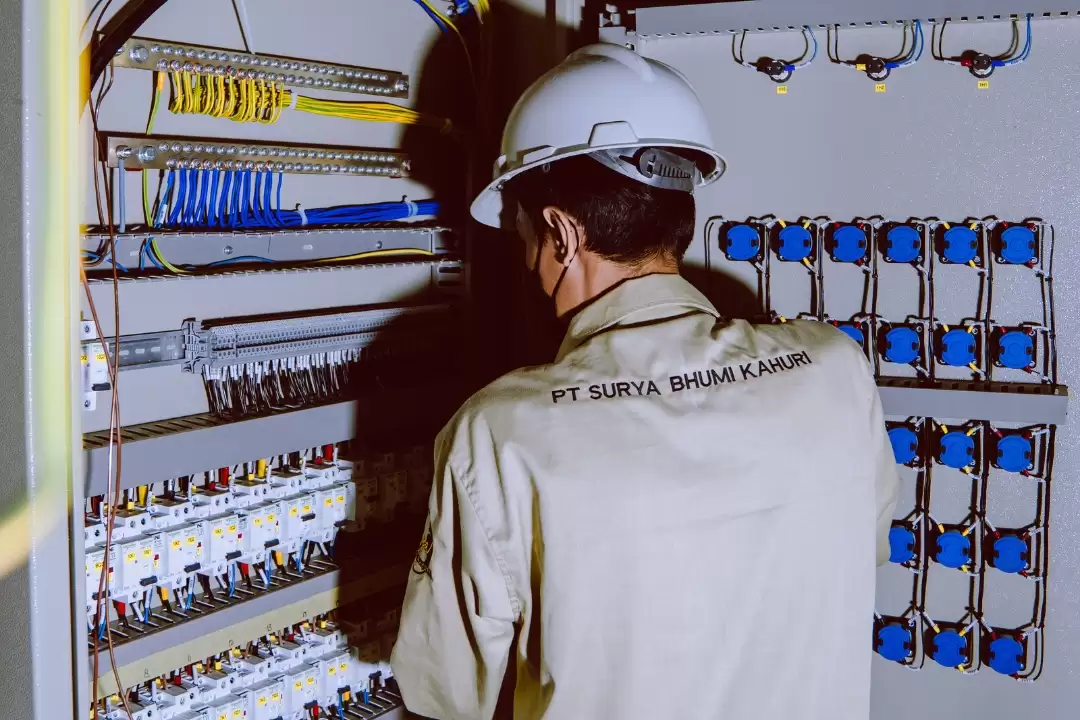
Many people think engineering satisfaction comes from seeing large equipment operate.
And yes, seeing a system start successfully is an important moment.
But sometimes, satisfaction comes from smaller details.
A labelled cable.
A clean panel.
An organised route.
A complete checklist.
A clear document.
These details show that the project was approached professionally.
They show that the team thought about the future, not only the present.
For engineers, a well-organised system feels reliable because it makes sense.
Every connection has a purpose.
Every component can be identified.
Every maintenance task becomes easier.
Why Professional Electrical Contractors Focus on Details
A professional electrical contractor understands that quality is created through many small decisions.
It is not only about installing cables and connecting equipment.
It includes:
- Planning the electrical system
- Managing cable routes
- Organising panels
- Testing connections
- Creating documentation
- Preparing for maintenance
The visible result may be simple:
A building with working electricity.
But behind that result is a detailed process that supports safety, reliability, and long-term operation.
SBK Approach: Electrical Systems Designed for Long-Term Operation
PT. Surya Bhumi Kahuri provides Electrical Systems as part of its integrated Building and MEP services.
SBK’s electrical capabilities include:
- Electrical installation
- Electrical panels
- Power distribution
- Lighting systems
- Grounding systems
- Generator installation
- Transformer systems
- Data and communication systems
- Maintenance support
Electrical systems are coordinated with SBK’s wider capabilities, including:
- Mechanical Systems
- Plumbing Systems
- HVAC
- Fire Fighting Systems
- Electronic and Security Systems
- Elevator Installation
- Lead Shielding
- Modular Operating Theatre
- General Construction
Through the principle of:
One Team for All Building Systems
SBK focuses on creating building systems that are not only installed correctly but also organised, documented, and prepared for future operation.
Because the best electrical installation is not only one that works today.
It is one that future engineers can understand tomorrow.