Common Mistakes Owners Make When Planning Building Systems Too Late
Planning a new building is an exciting phase for any owner. The focus usually starts with land, architectural design, permits, and budget estimation. Unfortunately, one critical aspect is often pushed too far back in the process. That aspect is the planning of building systems.
Building systems such as electrical, HVAC, plumbing, fire protection, and vertical transportation are not accessories. They are the backbone that determines whether a building operates efficiently, safely, and sustainably. When these systems are planned too late, the impact can be costly and difficult to fix.
Many projects face delays, redesigns, and unnecessary expenses not because of construction errors, but because technical systems were treated as an afterthought. This article discusses the most common mistakes owners make when planning building systems too late and how to avoid them.
Treating Building Systems as Installation Only
One of the most common mistakes is assuming that building systems are simply installed after construction is nearly finished. Many owners believe that once the structure is complete, technicians can come in and install everything smoothly.
In reality, building systems require early coordination with architectural and structural designs. Electrical routing, ducting paths, pipe shafts, and equipment rooms must be planned alongside the building layout. When this coordination does not happen early, systems are forced to adapt to limited spaces.
This often results in inefficient layouts, reduced performance, and compromised aesthetics. In some cases, parts of the building must be opened again just to accommodate systems that should have been planned from the start.
Delaying MEP Involvement Until Construction Starts
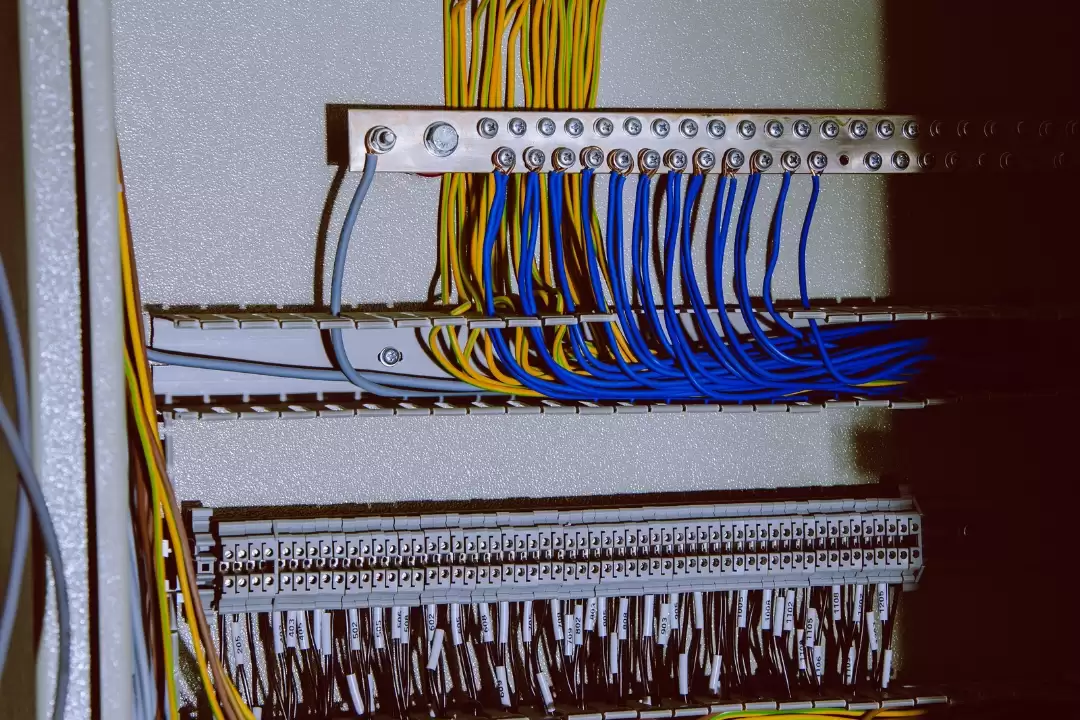
Another frequent issue is involving MEP specialists only after construction has begun. At this stage, many design decisions are already fixed. Ceiling heights, shaft sizes, and equipment access points may not be sufficient for proper system installation.
When MEP planning is delayed, compromises become unavoidable. HVAC systems may be downsized incorrectly. Electrical rooms may be placed too far from load centers. Plumbing routes may clash with structural elements.
These compromises do not always fail immediately. However, they often lead to higher maintenance costs, inefficient energy use, and operational problems once the building is occupied.
Underestimating Future Building Needs
Many owners plan building systems only for current needs. This short term mindset creates problems when the building grows or changes function. Electrical capacity may become insufficient. HVAC systems may struggle to handle increased occupancy. Fire protection systems may not meet updated regulations.
A well planned building system considers future expansion, technology upgrades, and changing usage patterns. When planning is rushed or delayed, these considerations are often ignored.
Retrofitting systems later is significantly more expensive than planning them properly from the beginning. It may also disrupt building operations and require partial shutdowns.
Focusing Too Much on Initial Cost
Cost control is important, but focusing only on initial installation cost is a mistake. When systems are planned late, decisions are often made based on what fits the remaining budget rather than what performs best long term.
Cheaper solutions may reduce upfront expenses, but they often increase operational costs over time. Higher energy consumption, frequent repairs, and shorter equipment lifespan quickly outweigh initial savings.
Early system planning allows owners to balance cost, performance, and lifecycle value. Without that planning, decisions become reactive rather than strategic.
Poor Coordination Between Contractors
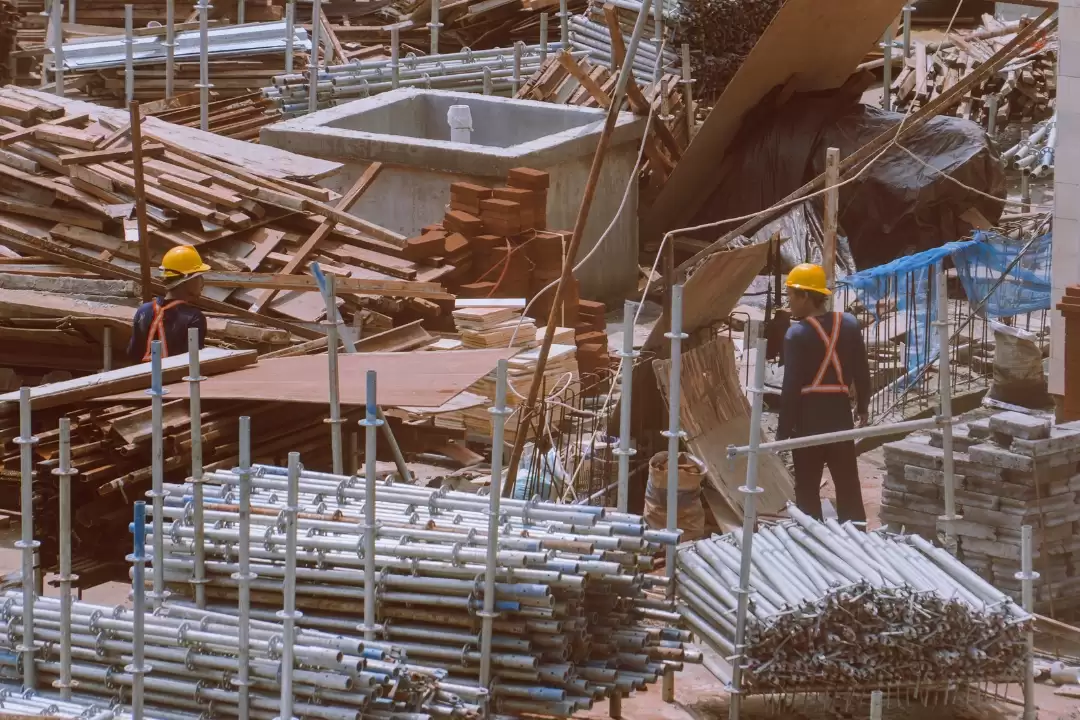
Late system planning often leads to fragmented coordination between contractors. Electrical, mechanical, plumbing, and fire protection teams may work independently without a unified plan.
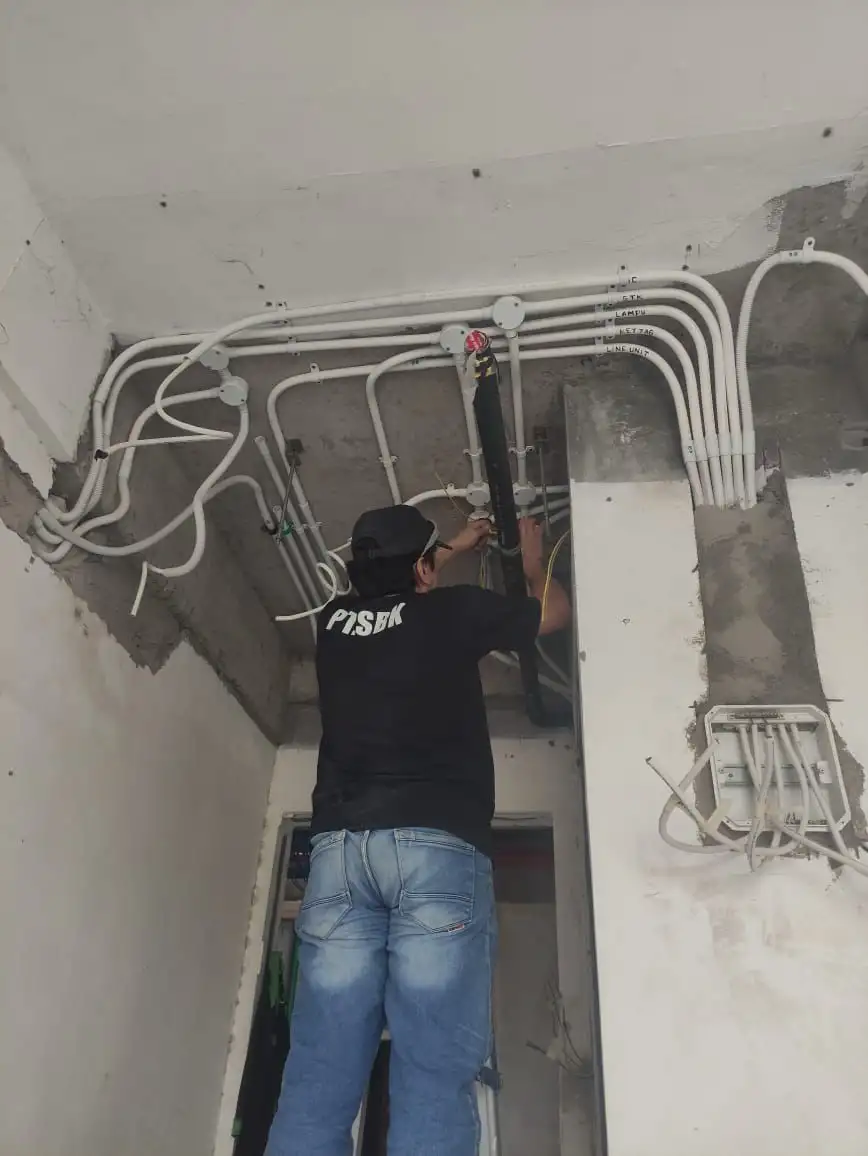
This lack of integration increases the risk of clashes and rework. Ducts may interfere with lighting layouts. Pipes may block access panels. Cable trays may compete for the same ceiling space.
When coordination issues are discovered late, fixing them costs time and money. It also increases stress for owners and project managers who must deal with constant adjustments.
Ignoring Maintenance and Access Requirements
Another common oversight is neglecting maintenance access. Equipment may be installed in locations that are difficult to reach. Access panels may be too small or poorly positioned. Service clearances may not meet manufacturer recommendations.
These issues usually appear after the building is operational. Maintenance becomes more time consuming and expensive. In some cases, equipment must be partially dismantled just to perform routine servicing.
Early system planning considers not only installation but also long term maintenance. This ensures that systems remain reliable and easy to manage throughout the building’s lifespan.
Misjudging Regulatory and Safety Requirements
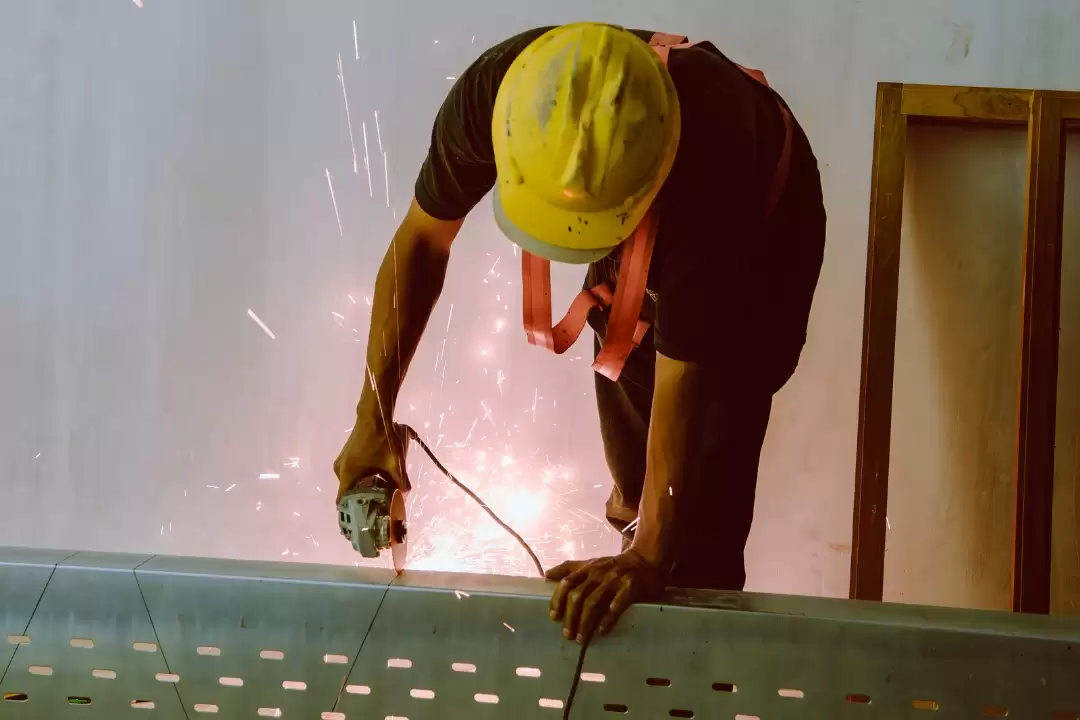
Building systems are heavily regulated, especially for commercial, healthcare, and public buildings. Fire safety, electrical standards, and mechanical requirements must comply with local and national regulations.
When systems are planned late, compliance checks may reveal gaps that require redesign. Fire protection coverage may be insufficient. Emergency power systems may not meet required redundancy levels. Ventilation standards may fall short.
Addressing these issues late can delay approvals and inspections. It may also require changes that affect architectural finishes and building layout.
Relying on Too Many Separate Vendors
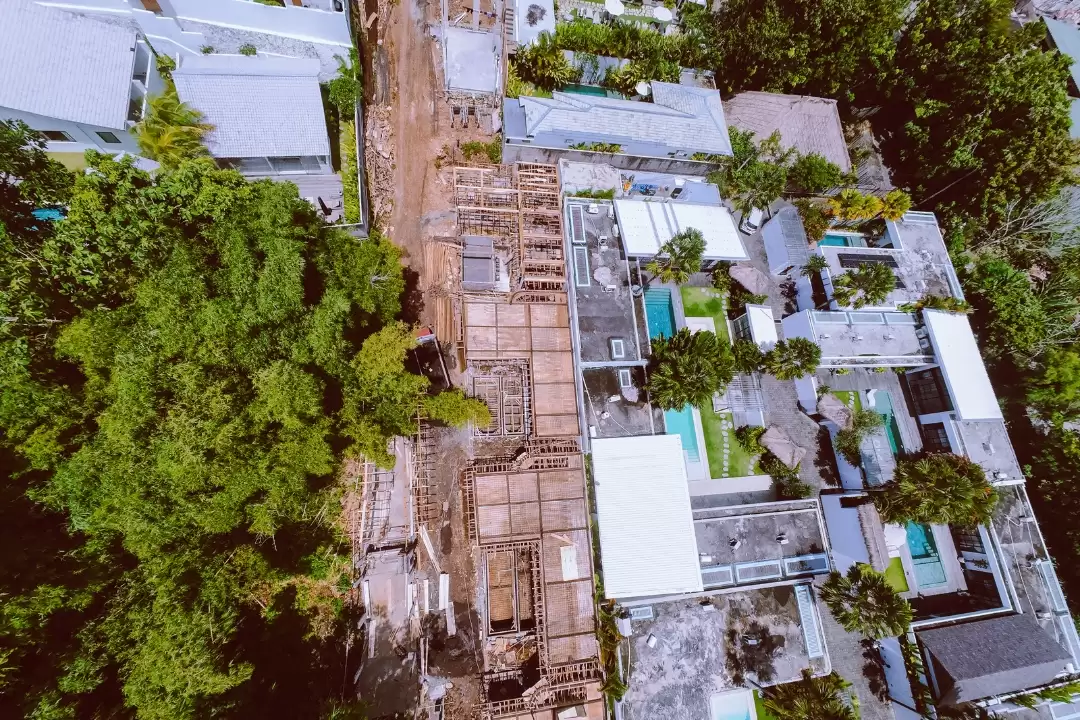
Many projects involve multiple vendors for different systems. When planning is delayed, managing these vendors becomes even more complex. Each contractor may optimize their own scope without considering the overall system integration.
This approach often leads to inconsistent quality and unclear responsibility. When problems arise, it becomes difficult to determine accountability. Owners may find themselves coordinating between vendors rather than focusing on the project goals.
An integrated technical partner helps avoid this issue by overseeing all building systems under one coordinated strategy.
How Early Planning Changes Everything
When building systems are planned early, the entire project benefits. Design decisions are informed by technical requirements. Space allocation is optimized. System performance is improved.
Early planning also enables better budgeting. Owners gain clearer visibility into costs and can make informed trade offs. Construction runs more smoothly because installation sequences are planned and coordinated.
Most importantly, the finished building operates as intended. Energy efficiency improves. Maintenance becomes predictable. Safety systems function reliably.
The Role of an Integrated Technical Partner
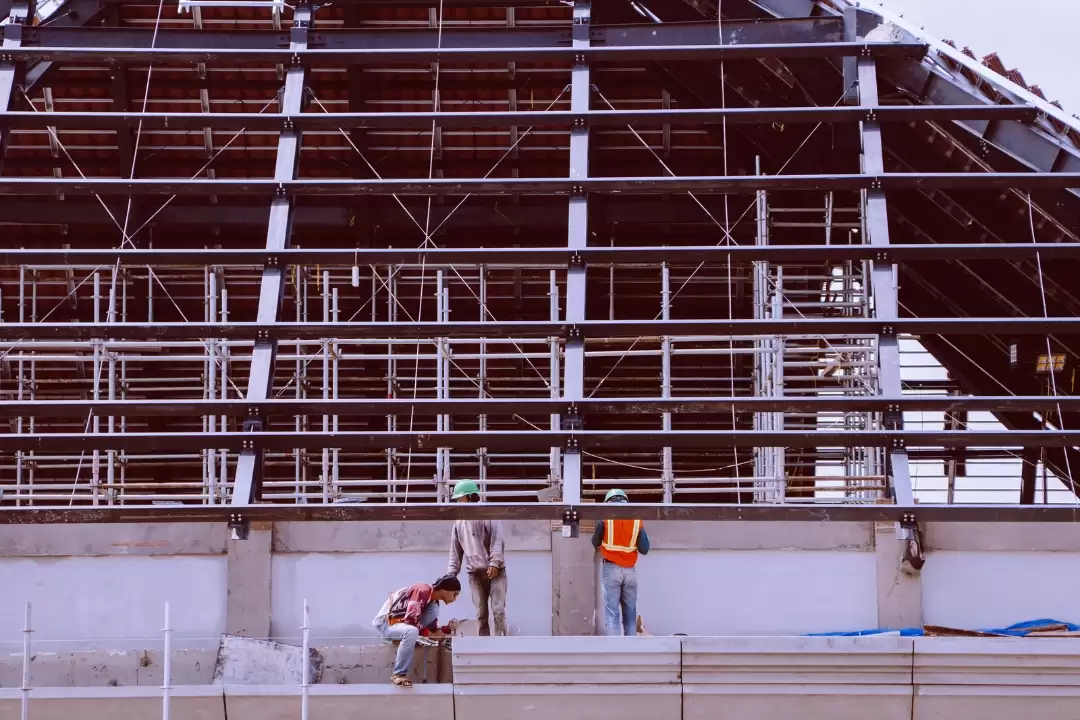
An integrated technical partner plays a critical role in early planning. Instead of reacting to architectural constraints, systems are developed alongside the design.
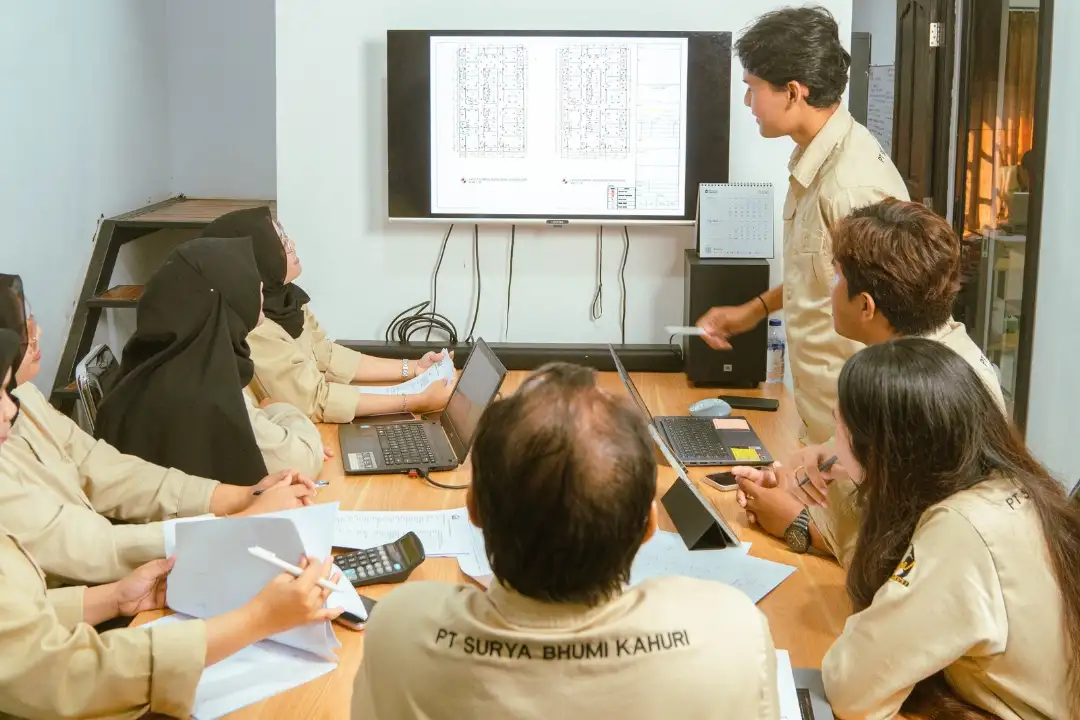
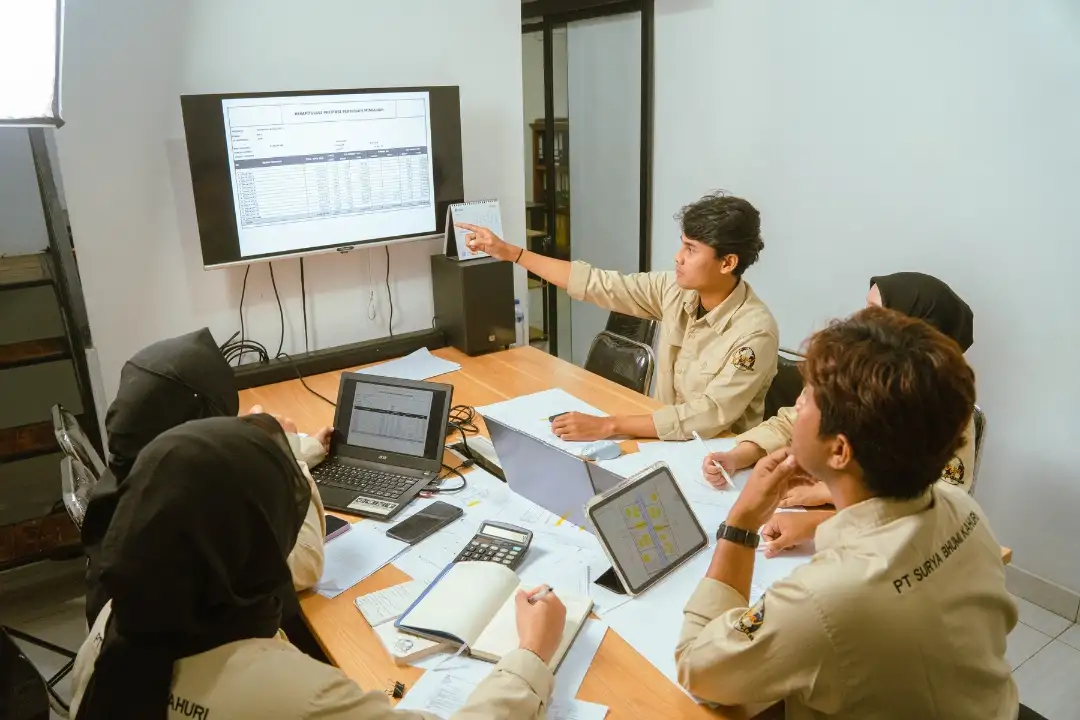
This approach allows one team to manage electrical, HVAC, plumbing, fire protection, and other systems as a unified whole. Conflicts are resolved during planning rather than on site. Performance targets are aligned across systems.
For owners, this means fewer surprises and better control over quality, cost, and timeline.
Building Smarter From the Start
Planning building systems late is a common mistake, but it is also one of the easiest to avoid. The key is recognizing that technical systems are not secondary elements. They are fundamental to how a building functions every day.
By involving technical experts early, owners protect their investment and reduce long term risk. Buildings become more efficient, safer, and easier to operate.
In modern construction, success is not defined only by how a building looks. It is defined by how well it performs over time. Early and integrated system planning is what makes that performance possible.