From Design to Maintenance How One Technical Partner Simplifies Complex Projects
Complex building projects rarely fail because of a single technical issue. Most problems appear when too many parties are involved without clear coordination. Designs look good on paper, installations move forward on site, but systems do not fully align once the building is operational.
This is where many owners begin to realize that construction is not only about building something new. It is about ensuring that every system continues to work properly long after handover. One technical partner that handles design, installation, and maintenance plays a critical role in achieving that goal.
Choosing one integrated partner is not about convenience alone. It is about reducing risk, improving clarity, and protecting long term building performance.
The Gap Between Design and Reality
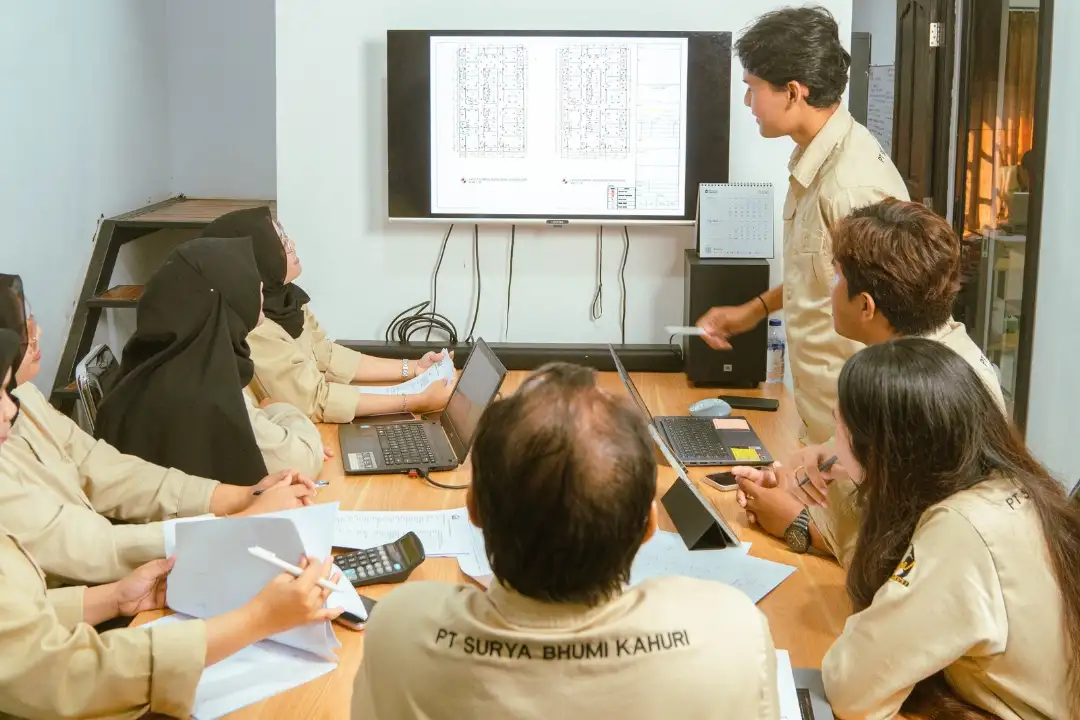
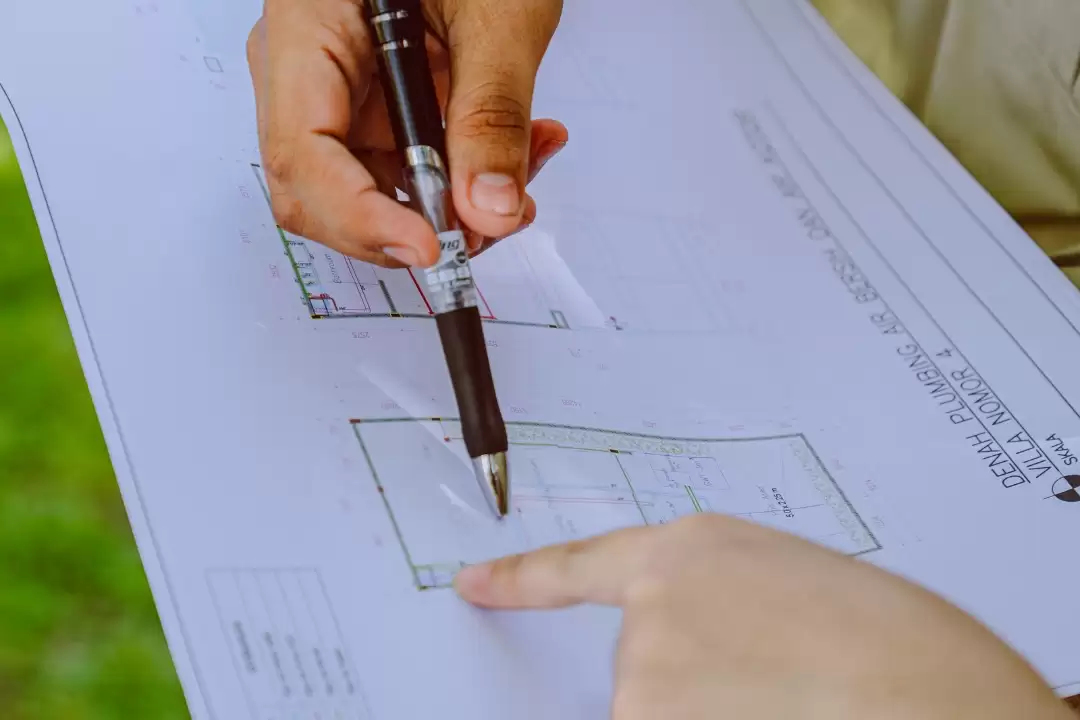
In many projects, design and execution are treated as separate phases handled by different parties. Consultants prepare drawings. Contractors install systems. Maintenance teams take over once the building is finished.
This separation often creates gaps. Design assumptions may not match site conditions. Installation decisions may deviate from original intent. Maintenance teams may struggle to understand system logic because they were not involved earlier.
These gaps lead to inefficiencies, unexpected costs, and operational challenges that could have been avoided with a more integrated approach.
Why Design Decisions Shape Long Term Performance
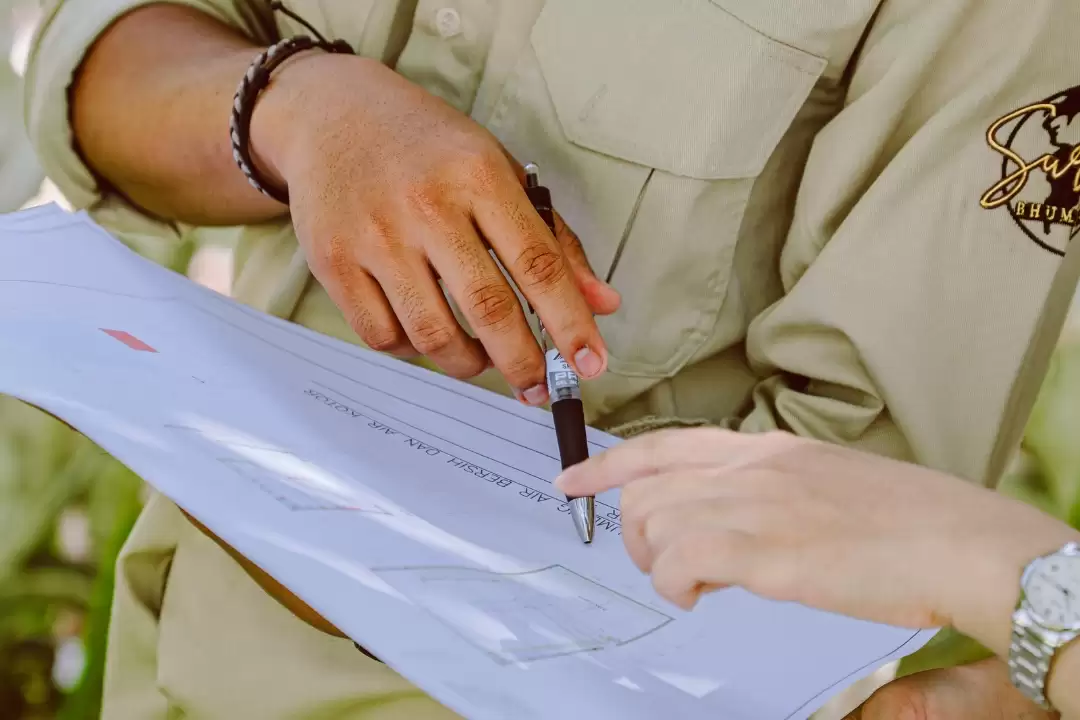
Design is where most long term outcomes are determined. Equipment selection, system layout, capacity planning, and control strategies all start at this stage.
When a technical partner is involved from design, decisions are made with real world execution and maintenance in mind. Drawings are not only technically correct but also practical.
This reduces the need for changes during construction and ensures that systems can be maintained efficiently over time.
Installation Becomes More Predictable
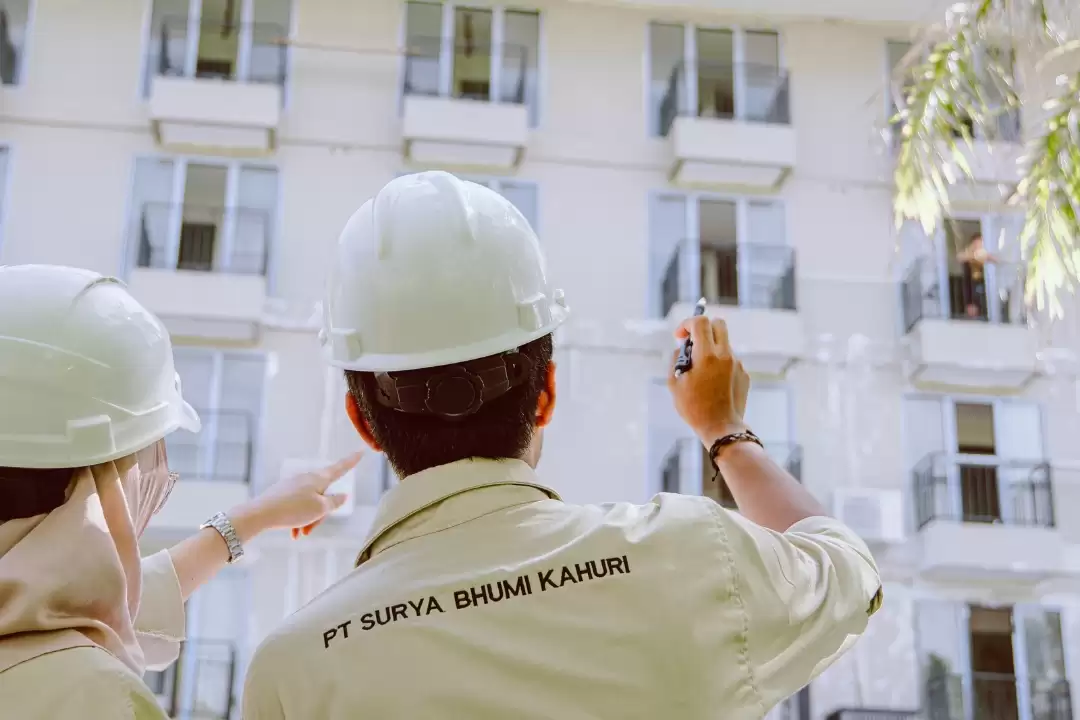
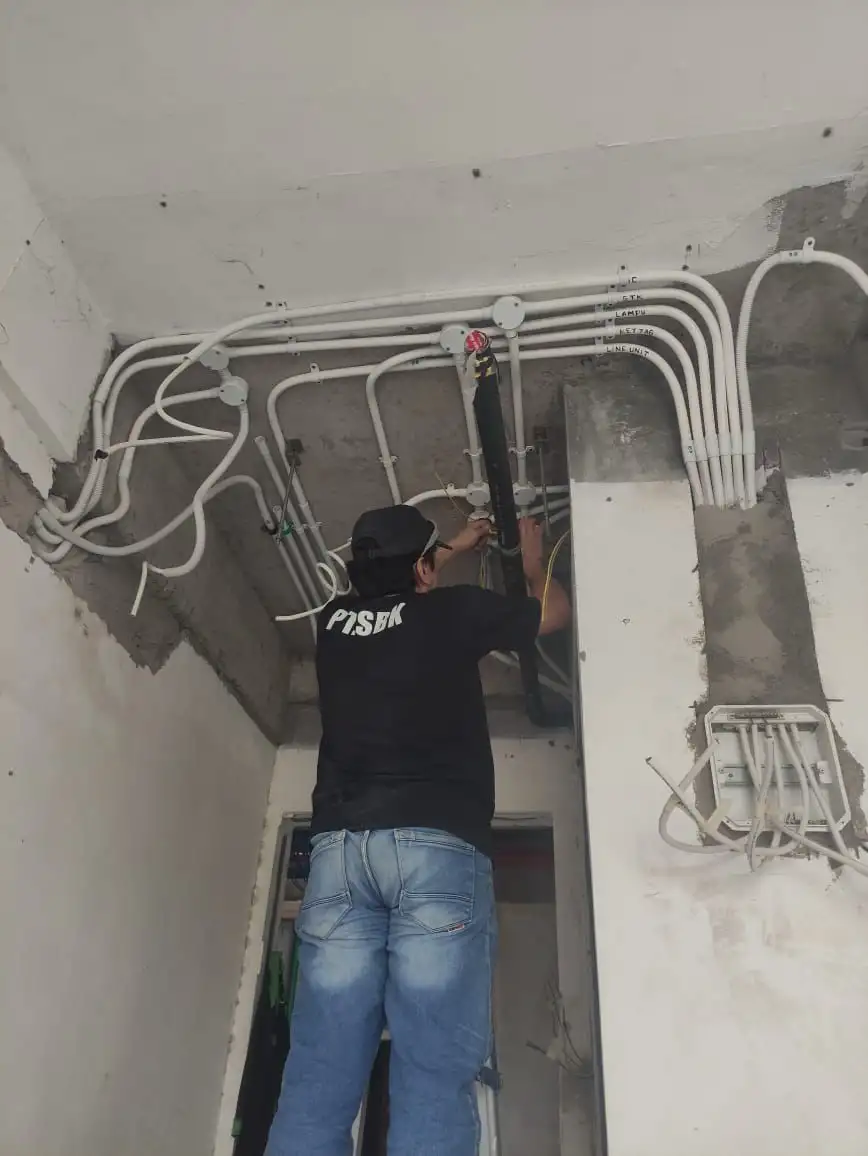
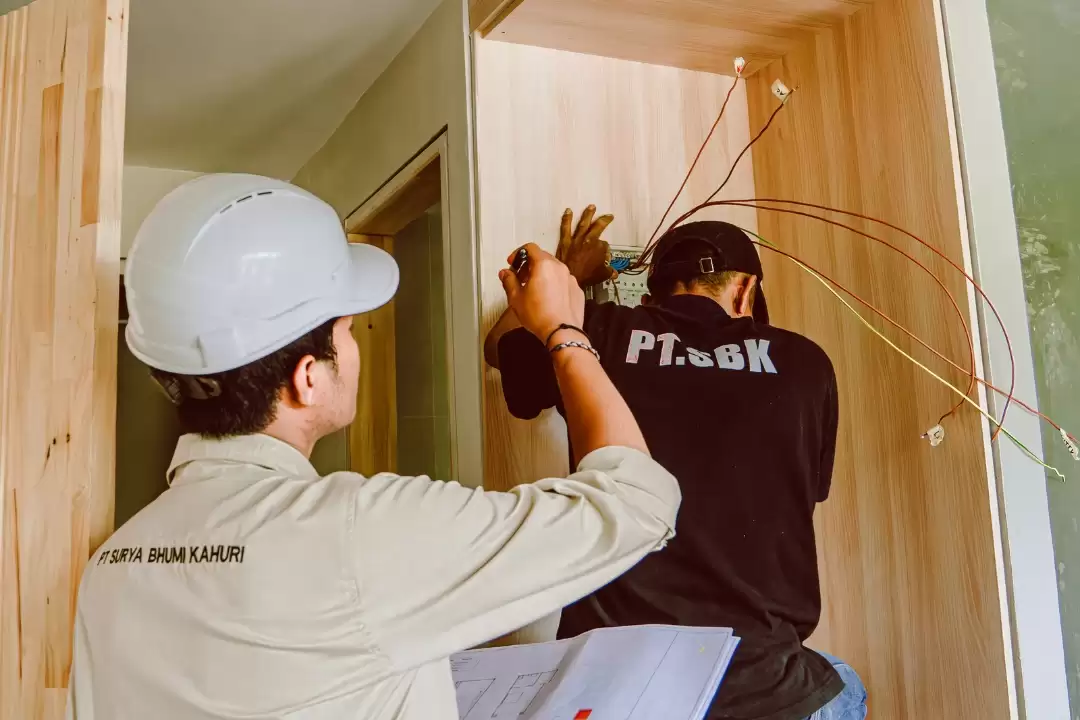
Installation is where design meets reality. When the same technical partner manages both design coordination and installation, communication becomes clearer.
Installers understand why systems are designed a certain way. Adjustments can be made without compromising overall performance. Conflicts between systems are resolved quickly because responsibility is centralized.
This leads to smoother installation, fewer delays, and better quality control on site.
Reducing the Risk of System Conflicts
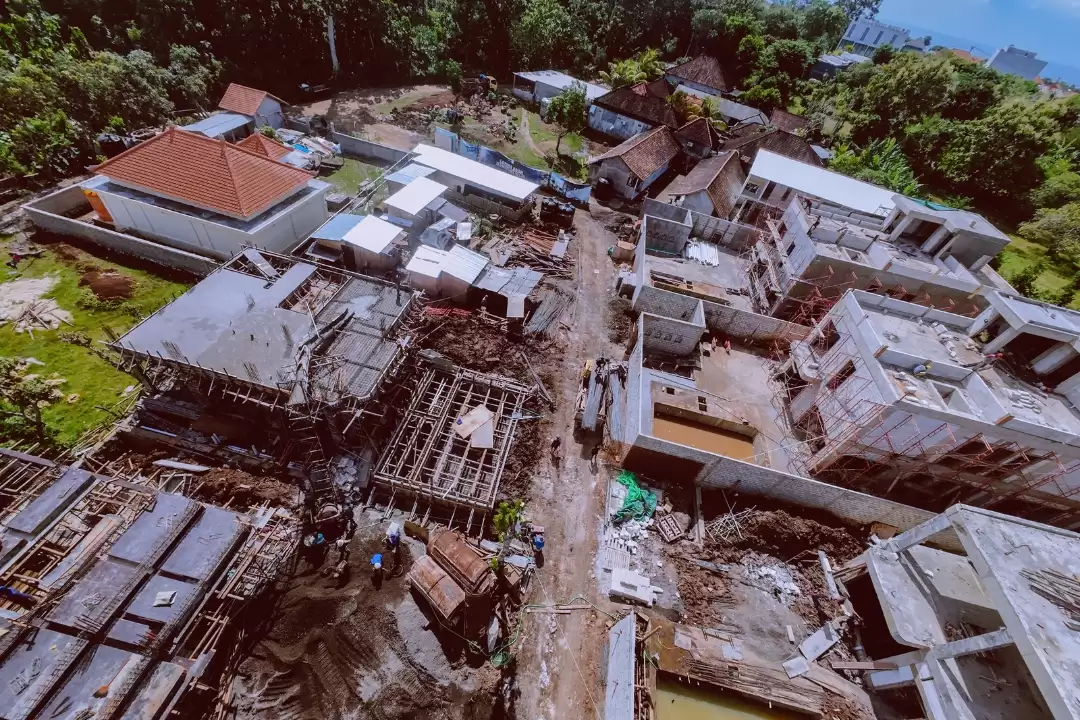
One of the biggest challenges in complex projects is system conflict. Electrical, HVAC, plumbing, and fire systems all compete for space and resources.
When different vendors handle each system independently, conflicts are often discovered late. Resolving them may require redesign, reinstallation, or compromise.
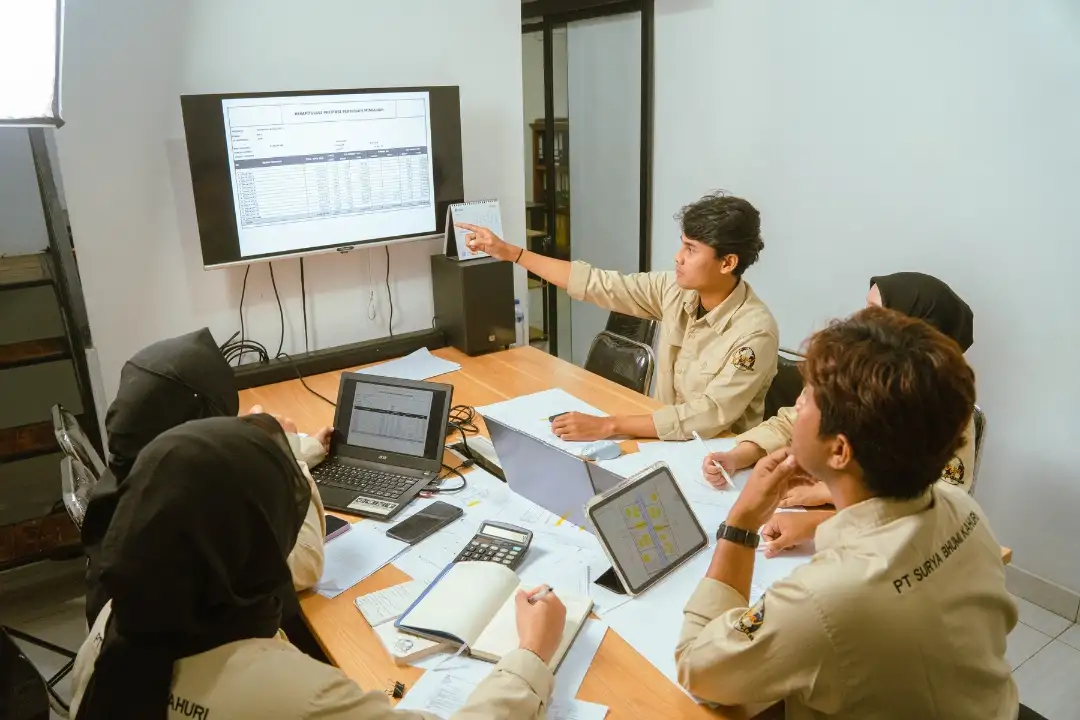
A single technical partner oversees all systems as one integrated scope. Conflicts are identified early and resolved during planning rather than during construction.
This approach protects timelines and reduces stress for owners and project managers.
Clear Accountability Matters
With multiple vendors, accountability becomes blurred. When something does not work as expected, each party may point to another.
A single technical partner provides clear accountability. There is one point of responsibility for system performance. Problems are addressed without unnecessary coordination or disputes.
For owners, this clarity is invaluable. It saves time and allows focus on broader project goals.
Commissioning Is More Than a Formality
Commissioning is often treated as a checklist before handover. In reality, it is one of the most important stages in ensuring long term performance.
When one partner handles design, installation, and commissioning, systems are tested as a whole. Electrical loads are verified alongside HVAC performance. Controls are calibrated to real operating conditions. Safety systems are tested under realistic scenarios.
This holistic commissioning process reduces early failures and ensures that systems perform as intended from day one.
Maintenance Starts During Design
Maintenance is often considered only after handover. This is a mistake. Maintenance efficiency is largely determined during design.
Equipment placement, access routes, and monitoring systems should all support future servicing. A technical partner involved from the beginning designs systems that are easier to maintain.
This reduces downtime, lowers service costs, and extends equipment lifespan.
Knowledge Continuity Improves Reliability
Buildings are long term assets. Systems may operate for decades. Knowledge continuity is essential for reliable operation.
When one partner is involved throughout the project lifecycle, system knowledge is preserved. Documentation is accurate. Operational logic is understood. Maintenance teams have access to original design intent.
This continuity reduces reliance on trial and error during troubleshooting and supports consistent performance.
Simplifying Communication for Owners
Owners often juggle many responsibilities during a project. Coordinating between designers, contractors, and maintenance providers adds complexity.
A single technical partner simplifies communication. Updates are centralized. Decisions are informed by a comprehensive understanding of the project.
This allows owners to make confident decisions without needing to manage technical details daily.
Supporting Building Evolution Over Time
Buildings rarely remain static. Tenants change. Usage patterns evolve. Technology advances.
A technical partner familiar with the building’s systems can support upgrades and modifications efficiently. Changes are implemented with minimal disruption because the underlying systems are well understood.
This flexibility protects the building’s value and extends its functional lifespan.
When One Partner Is Especially Important
Some projects benefit particularly from an integrated technical approach. These include hospitals, public buildings, mixed use developments, and large commercial facilities.
In these environments, system reliability and coordination are critical. Downtime is costly. Safety requirements are strict. Operational demands are high.
One technical partner helps manage this complexity by maintaining oversight across all systems and stages.
Reducing Long Term Cost Through Integration
While involving one partner from design to maintenance may seem like a larger upfront commitment, it often reduces total project cost.
Fewer changes during construction. Lower maintenance expenses. Reduced downtime. Longer equipment lifespan.
These savings accumulate over time and outweigh initial coordination efforts.
Building Confidence Through Integration
Complex projects require confidence at every stage. Confidence that systems will fit. Confidence that they will perform. Confidence that they can be maintained.
One technical partner provides that confidence by aligning design, execution, and operation under a single strategy.
Instead of reacting to problems, projects move forward with clarity and control.
A Smarter Way to Manage Complexity
Modern buildings are more complex than ever. Systems are interconnected. Performance expectations are higher.
Managing this complexity requires more than individual expertise. It requires integration.
From design to maintenance, one technical partner simplifies complex projects by reducing risk, improving coordination, and supporting long term performance.
For owners planning serious developments, this approach is not just efficient. It is essential.