MEP Systems for Hospitals and Public Buildings What Makes Them Different
Hospitals and public buildings are among the most complex structures to design and operate. Unlike commercial offices or private developments, these facilities must function continuously while meeting strict safety, reliability, and regulatory requirements. At the core of this complexity are building systems that must perform without interruption.
Mechanical, electrical, and plumbing systems in hospitals and public facilities are not simply technical installations. They are critical infrastructure that directly affects human safety, health services, and public operations. Because of this, MEP systems for these buildings follow very different principles compared to standard projects.
Understanding these differences is essential for owners, planners, and decision makers involved in public sector and healthcare developments.
Continuous Operation Is Not Optional
One of the defining characteristics of hospitals and public buildings is continuous operation. Hospitals operate twenty four hours a day. Public service buildings often serve large numbers of people daily without extended shutdown periods.
This reality places enormous pressure on building systems. Electrical power must remain stable at all times. HVAC systems must maintain controlled environments without interruption. Plumbing systems must function reliably under high usage.
Unlike commercial buildings, planned downtime is rarely acceptable. MEP systems must be designed with redundancy and backup strategies from the beginning.
Electrical Systems Must Prioritize Reliability
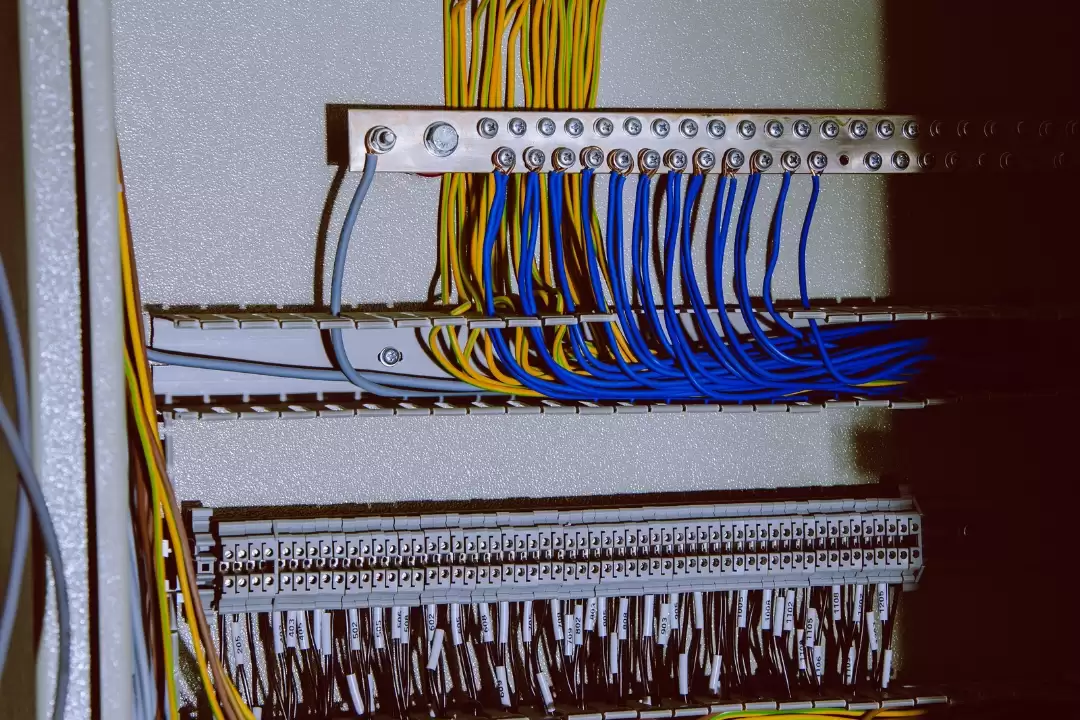
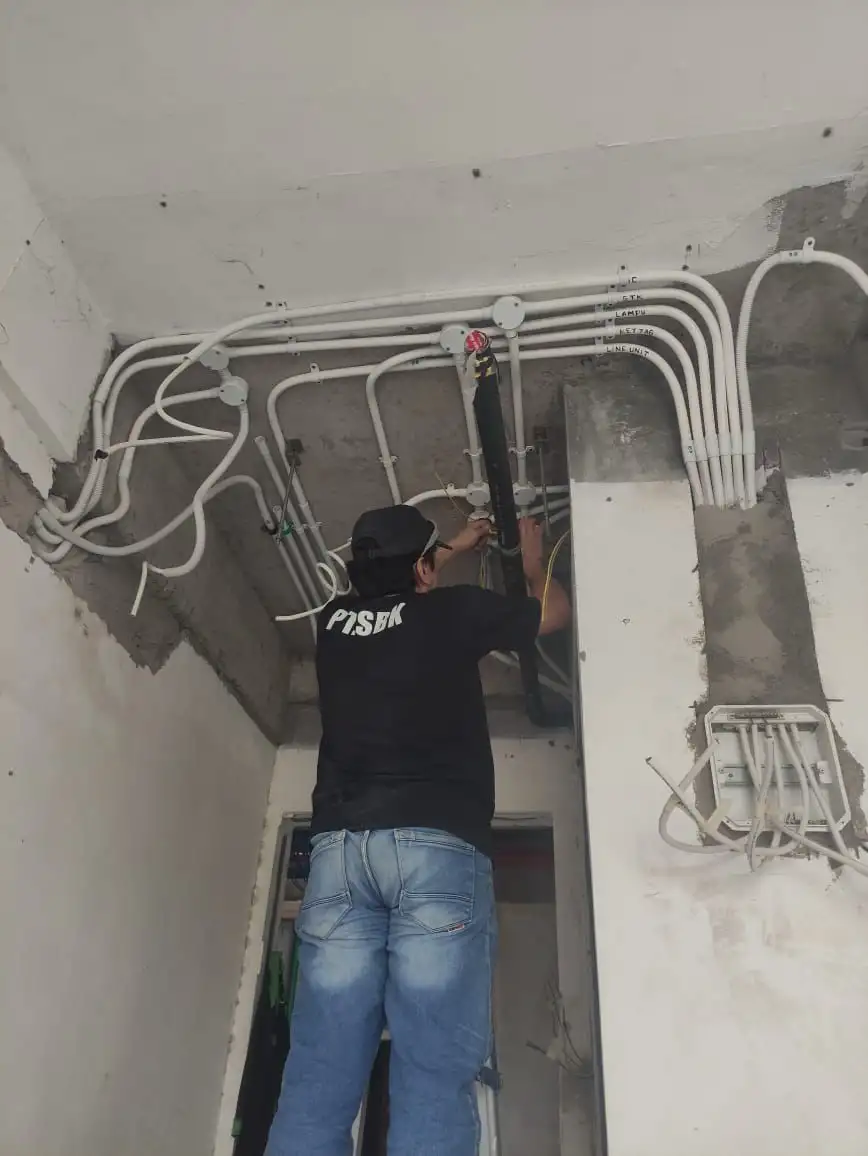
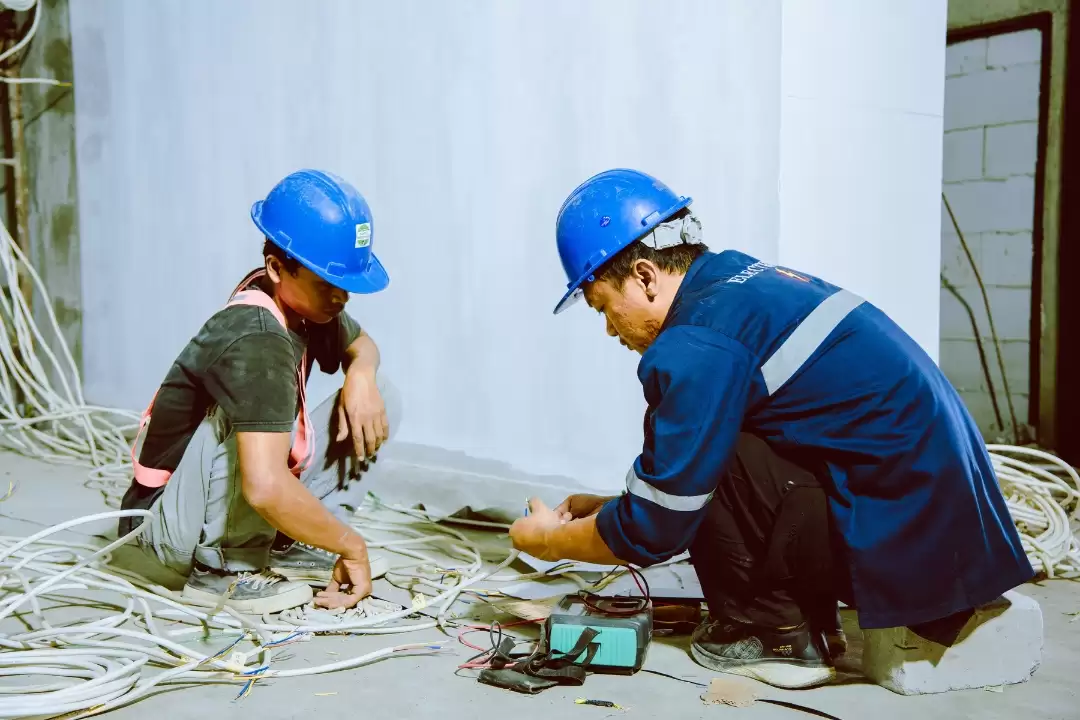
Electrical systems in hospitals and public buildings go far beyond standard power distribution. Life safety equipment, medical devices, emergency lighting, and communication systems all depend on stable power.
Hospitals require emergency power systems that activate instantly during outages. This includes generators, automatic transfer switches, and dedicated circuits for critical areas. Public buildings also require emergency power to support evacuation systems and essential services.
Poor electrical planning in these environments can lead to serious consequences. That is why electrical systems must be designed with layered protection and clear separation between normal and emergency loads.
HVAC Systems Are Part of Medical Safety
In hospitals, HVAC systems are directly tied to patient safety. Temperature control, air quality, humidity, and pressure differentials must meet strict standards.
Certain areas require positive or negative air pressure to control contamination. Operating rooms, isolation wards, and laboratories demand precise airflow management. Filtration systems must remove airborne contaminants effectively.
Public buildings also require carefully designed HVAC systems to manage high occupancy levels and ensure comfort without compromising air quality. Improper HVAC design can lead to health risks, discomfort, and regulatory violations.
Plumbing Systems Handle More Than Water
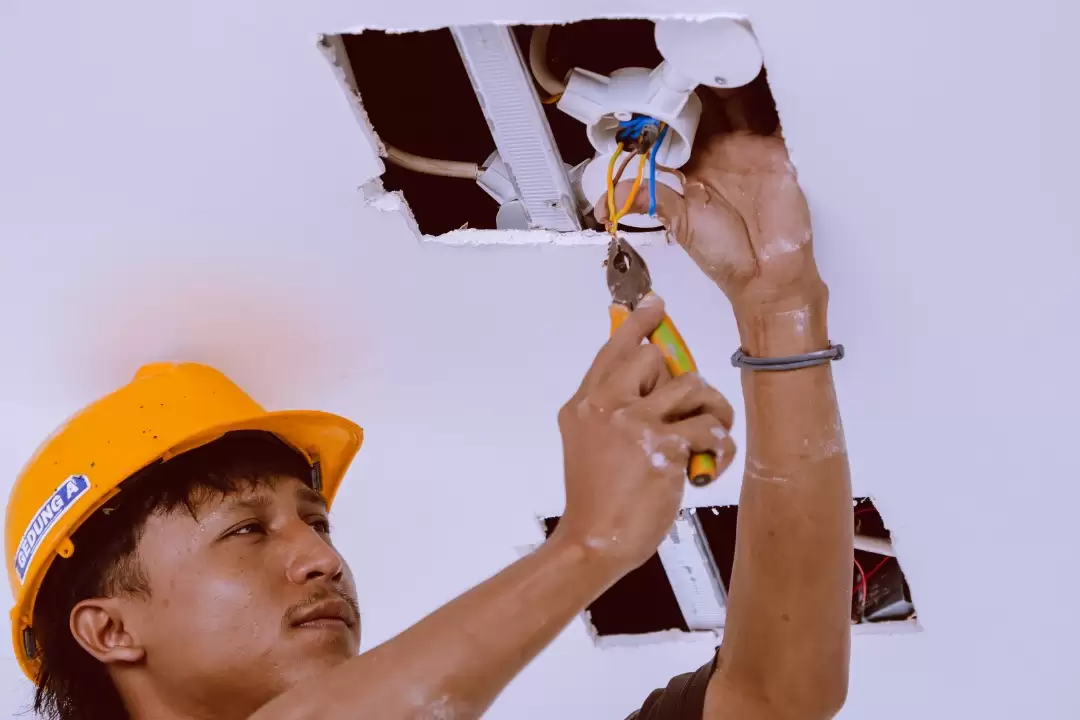
Plumbing systems in hospitals are significantly more complex than in standard buildings. They handle clean water, medical gases, wastewater, and specialized drainage systems.
Medical gas systems require precise installation and monitoring. Wastewater systems must prevent contamination and support infection control protocols. Water pressure and temperature must remain consistent throughout the facility.
Public buildings also face heavy plumbing demands due to high user volume. System failures can disrupt essential services and create safety hazards.
Planning plumbing systems late or treating them as secondary elements increases long term risk and maintenance costs.
Fire Protection Is a Critical Design Element
Fire safety is non negotiable in hospitals and public facilities. Evacuation challenges, vulnerable occupants, and high occupancy levels require robust fire protection strategies.
Fire fighting systems must integrate with architectural layouts, HVAC systems, and electrical controls. Smoke control, fire compartmentalization, and alarm systems must function together seamlessly.
Hospitals require additional considerations such as phased evacuation and fire safe zones. Public buildings must comply with strict regulations to ensure safe evacuation under emergency conditions.
Fire protection planning must be coordinated early to avoid conflicts and ensure compliance.
Redundancy and Backup Are Mandatory
Redundancy is a defining feature of MEP systems in hospitals and public buildings. Critical systems must continue operating even when components fail.
Electrical systems require backup power. HVAC systems may need redundant equipment for critical zones. Plumbing systems may include backup pumps and parallel supply lines.
This redundancy increases complexity but is essential for safety and reliability. Without early planning, adding redundancy later becomes difficult and expensive.
Regulatory Compliance Is More Complex
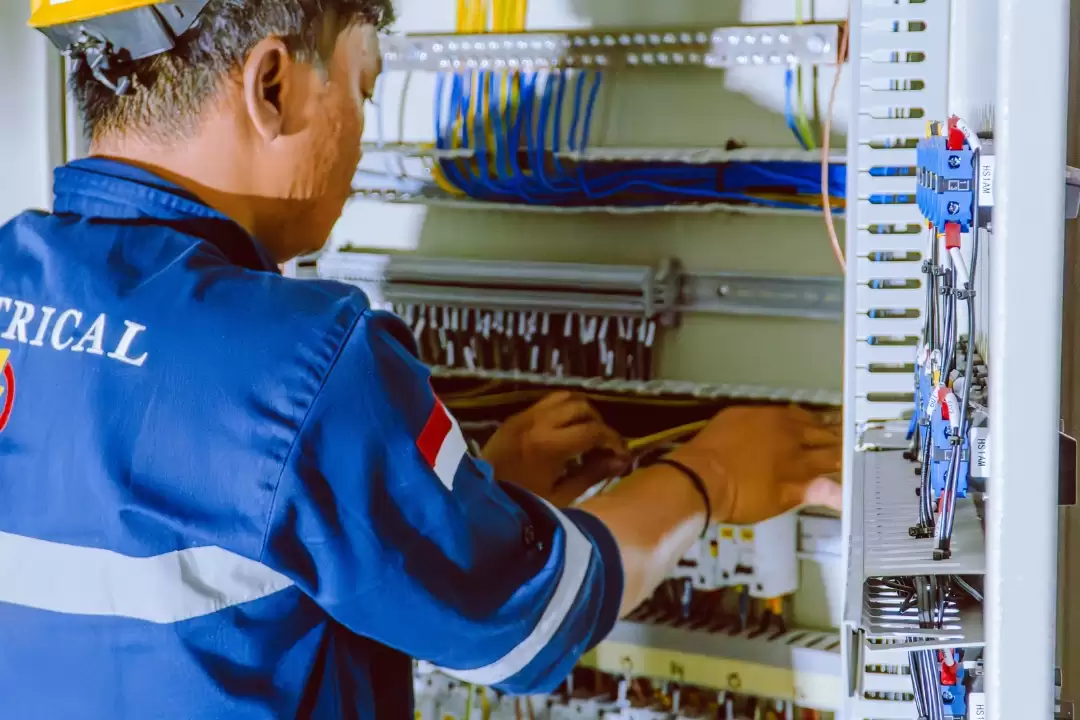
Hospitals and public buildings are subject to extensive regulations. These include building codes, health standards, fire safety requirements, and operational guidelines.
MEP systems must comply with local and national standards. Inspections and certifications are rigorous. Documentation must be thorough and accurate.
Late planning often leads to compliance gaps that delay approvals and increase costs. Early involvement of experienced MEP professionals helps ensure compliance from the start.
Integration Between Systems Is Essential
In hospitals and public facilities, system integration is not optional. Electrical systems must communicate with fire alarms and building management systems. HVAC systems must respond to emergency scenarios. Plumbing systems must align with safety and sanitation protocols.
Fragmented planning creates risks. Systems may function individually but fail to support each other during critical events.
Integrated MEP planning ensures that systems work together as one coordinated infrastructure. This reduces risk and improves operational resilience.
Maintenance Access and Lifecycle Planning Matter
Hospitals and public buildings operate for decades. MEP systems must be maintainable without disrupting services.
Maintenance access must be planned carefully. Equipment placement must allow servicing without shutting down entire areas. Monitoring systems should support predictive maintenance.
Lifecycle planning ensures that systems remain reliable over time. Equipment selection, layout, and documentation all contribute to long term performance.
Ignoring these factors during planning leads to higher operational costs and frequent service disruptions.
Why Experience in Public and Healthcare Projects Matters
MEP systems for hospitals and public buildings require specialized experience. These projects demand technical knowledge, regulatory understanding, and coordination skills.
A contractor familiar with standard commercial projects may not fully understand the operational demands of healthcare and public facilities. Mistakes in these environments carry greater risk.
Experienced MEP partners bring proven strategies for redundancy, compliance, and system integration. They understand how to design for reliability under real world conditions.
Building Trust Through Technical Reliability
Hospitals and public buildings serve communities. Their performance affects lives and public trust. MEP systems play a silent but critical role in that trust.
Reliable power, clean air, safe water, and effective fire protection are fundamental expectations. When these systems work seamlessly, buildings support their purpose without drawing attention to themselves.
That level of performance is achieved through careful planning, integrated design, and experienced execution.
Planning for Public Responsibility
Developing hospitals and public buildings is a responsibility that extends beyond construction. These facilities must serve reliably for many years under demanding conditions.
MEP systems are central to that responsibility. Treating them as early design priorities rather than late stage installations protects safety, performance, and long term value.
Owners who invest in integrated and experienced MEP planning create buildings that serve communities effectively and sustainably.