The Role of Integrated MEP Systems in Reducing Long Term Building Costs
When owners plan a new building, cost discussions usually focus on construction budgets and initial installation expenses. While this is understandable, many long term financial risks are often overlooked. One of the biggest contributors to rising building costs over time comes from how mechanical, electrical, and plumbing systems are planned and executed.
Integrated MEP systems play a crucial role in controlling long term building costs. When these systems are designed and coordinated as one unified strategy, buildings operate more efficiently, require fewer repairs, and consume less energy throughout their lifecycle. Without integration, even well built structures can become expensive to operate and maintain.
Understanding how integrated MEP systems affect long term cost is essential for owners who want sustainable and predictable building performance.
What Integrated MEP Systems Really Mean
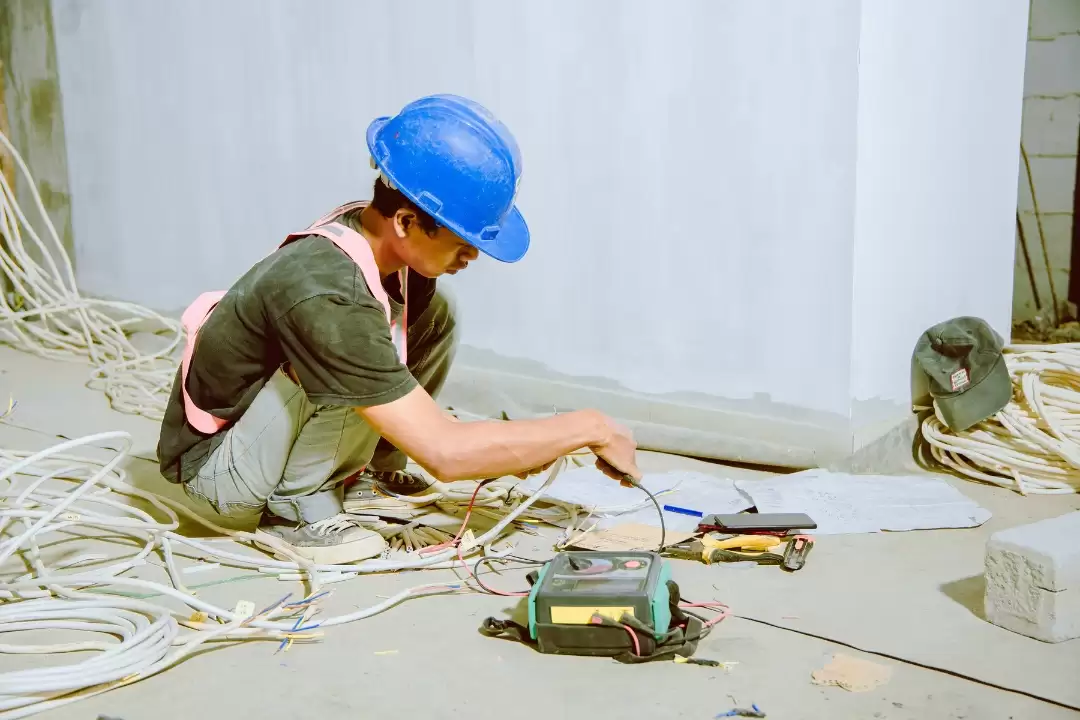
Integrated MEP systems are not just about placing equipment neatly in a building. Integration means that electrical, HVAC, plumbing, fire protection, and other technical systems are designed to work together from the earliest planning stages.
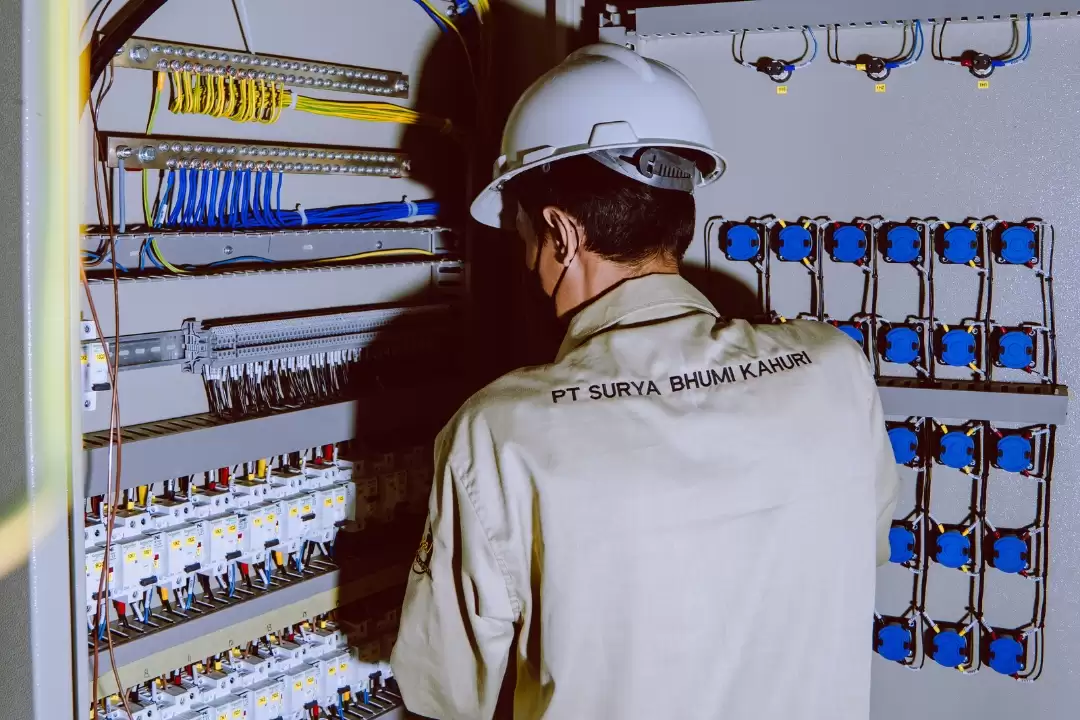
Each system considers the impact of the others. Electrical loads are calculated based on HVAC demands. Mechanical layouts are coordinated with plumbing routes. Fire safety systems align with architectural and mechanical elements. Control systems communicate across different building functions.
This coordination reduces inefficiencies that often go unnoticed during construction but become costly during operation.
Lower Energy Consumption Through System Coordination
One of the most direct financial benefits of integrated MEP systems is reduced energy consumption. Buildings with poorly coordinated systems often suffer from excessive power usage due to inefficient layouts and mismatched equipment capacities.
For example, an HVAC system that is oversized because of inaccurate load calculations will consume more energy than necessary. Electrical systems that are not aligned with mechanical needs may result in higher peak demand charges. Lighting systems that do not integrate with occupancy controls waste power during low usage periods.
When MEP systems are integrated, energy usage is optimized across the entire building. Load calculations are accurate. Equipment is sized correctly. Control systems work together to respond to actual building conditions.
Over time, these efficiencies translate into significant savings on utility bills.
Reduced Maintenance and Repair Costs
Maintenance costs often exceed initial installation costs over a building’s lifespan. Integrated MEP systems help reduce these expenses by improving system reliability and accessibility.
When systems are planned independently, maintenance access is often compromised. Equipment may be installed in tight spaces. Service clearances may be insufficient. Technicians may need to dismantle surrounding components just to reach critical parts.
Integrated planning ensures that maintenance requirements are considered early. Equipment is placed where it can be accessed safely and efficiently. Service routes are clear. Monitoring systems provide early warnings of potential issues.
As a result, maintenance becomes more predictable and less disruptive. Repairs are faster. Emergency breakdowns are reduced.
Longer Equipment Lifespan
Equipment lifespan is heavily influenced by how systems interact. Poor integration often leads to systems operating outside their optimal conditions. HVAC units may cycle too frequently. Electrical components may experience voltage fluctuations. Pumps may run continuously due to poor control logic.
These conditions accelerate wear and tear. Equipment fails earlier than expected. Replacement costs rise.
Integrated MEP systems ensure that equipment operates within designed parameters. Controls are synchronized. Loads are balanced. Environmental conditions remain stable.
This extends the lifespan of critical equipment and delays costly replacements.
Fewer Construction Changes and Retrofits
Buildings with non integrated systems often require modifications shortly after completion. Owners discover that systems do not perform as expected. Spaces overheat. Power capacity is insufficient. Water pressure is inconsistent.
Fixing these issues usually requires retrofitting. Ceilings may need to be opened. Walls may need to be modified. Operations may need to be paused.
Integrated MEP planning significantly reduces the likelihood of such retrofits. Systems are tested together during commissioning. Performance issues are identified and resolved before handover.
This saves both time and money while protecting the building’s finishes and operations.
Improved Operational Efficiency
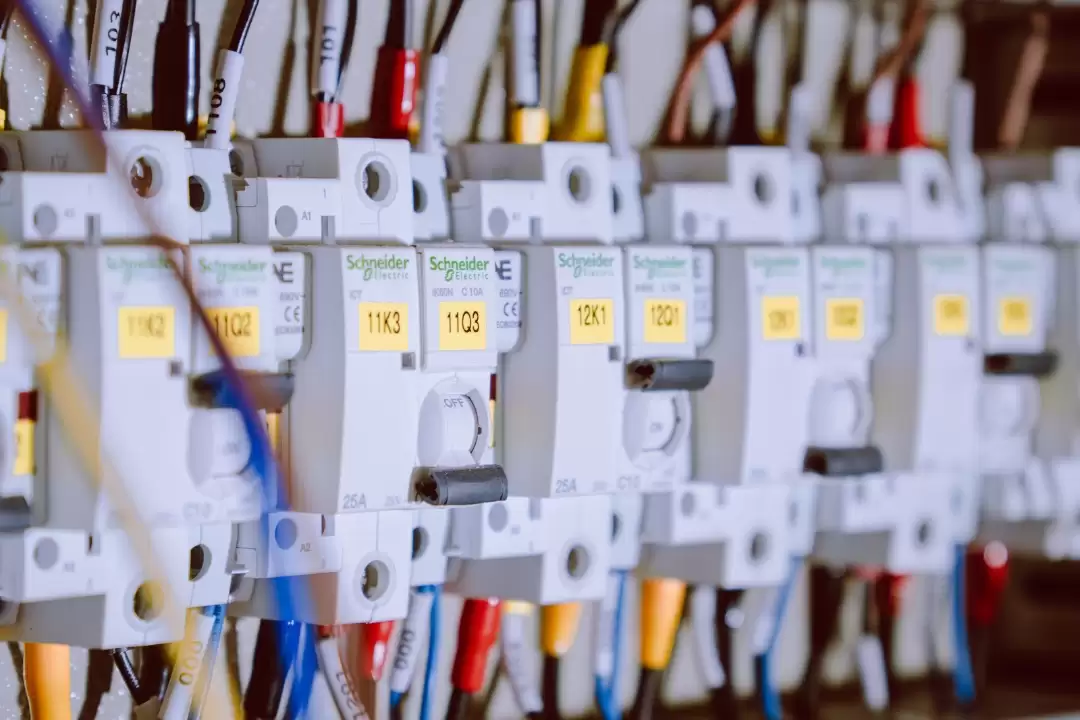
Operational efficiency goes beyond energy usage. It includes how easily a building can be managed day to day. Integrated systems simplify building management by providing centralized monitoring and control.
Instead of managing separate systems with different interfaces, operators can oversee building performance from a unified platform. Faults are easier to identify. Adjustments can be made quickly. Data can be analyzed to improve performance.
This reduces the need for specialized personnel and external troubleshooting support. It also improves response time when issues arise.
Better Budget Forecasting and Cost Control
Owners often struggle with unpredictable operational costs. Utility bills fluctuate. Maintenance expenses vary. Unexpected repairs disrupt budgets.
Integrated MEP systems provide more predictable cost behavior. Energy usage patterns are stable. Maintenance schedules are structured. Equipment performance is consistent.
This predictability allows owners to plan budgets more accurately. Long term financial planning becomes easier. Surprises are minimized.
Reduced Risk of System Conflicts
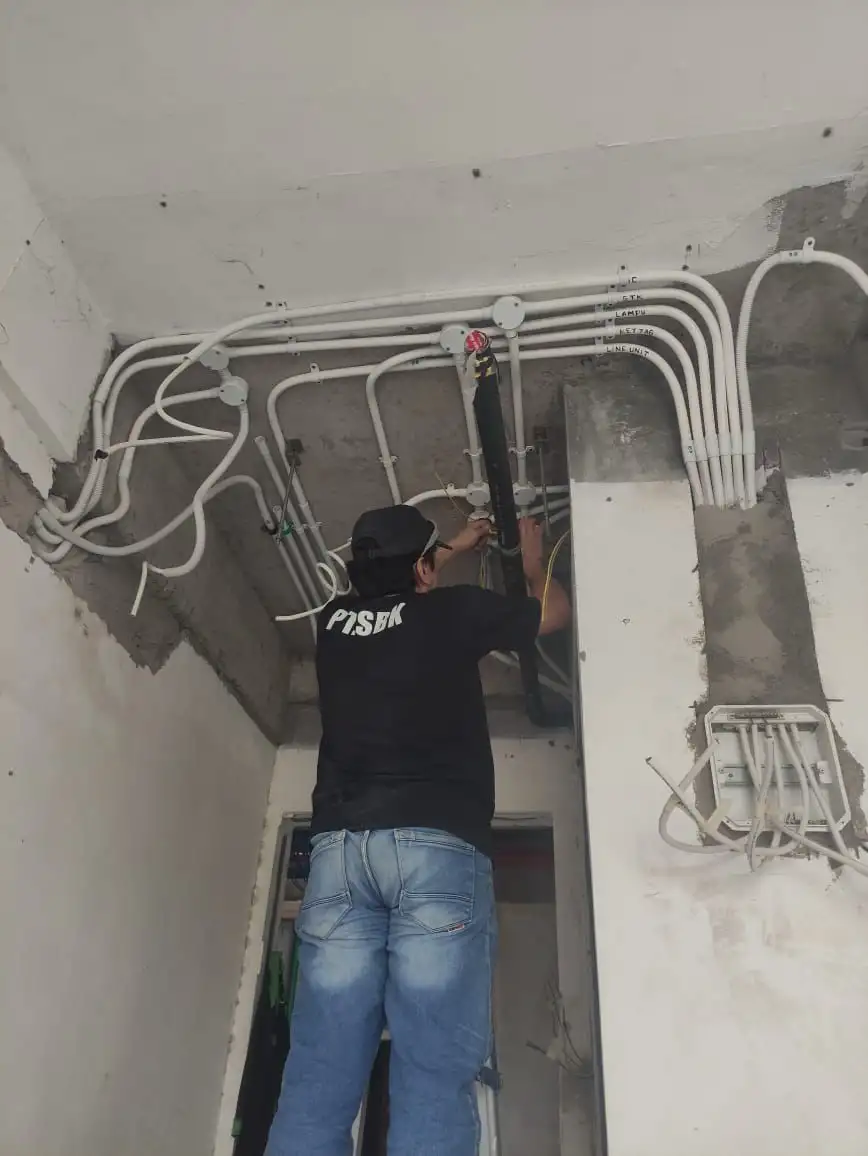
System conflicts are a hidden cost factor in many buildings. When systems are not integrated, conflicts arise during installation and operation. Ducts interfere with cable trays. Pipes block access panels. Control systems compete for priority.
Resolving these conflicts often involves redesign, reinstallation, or operational compromises. Each solution adds cost.
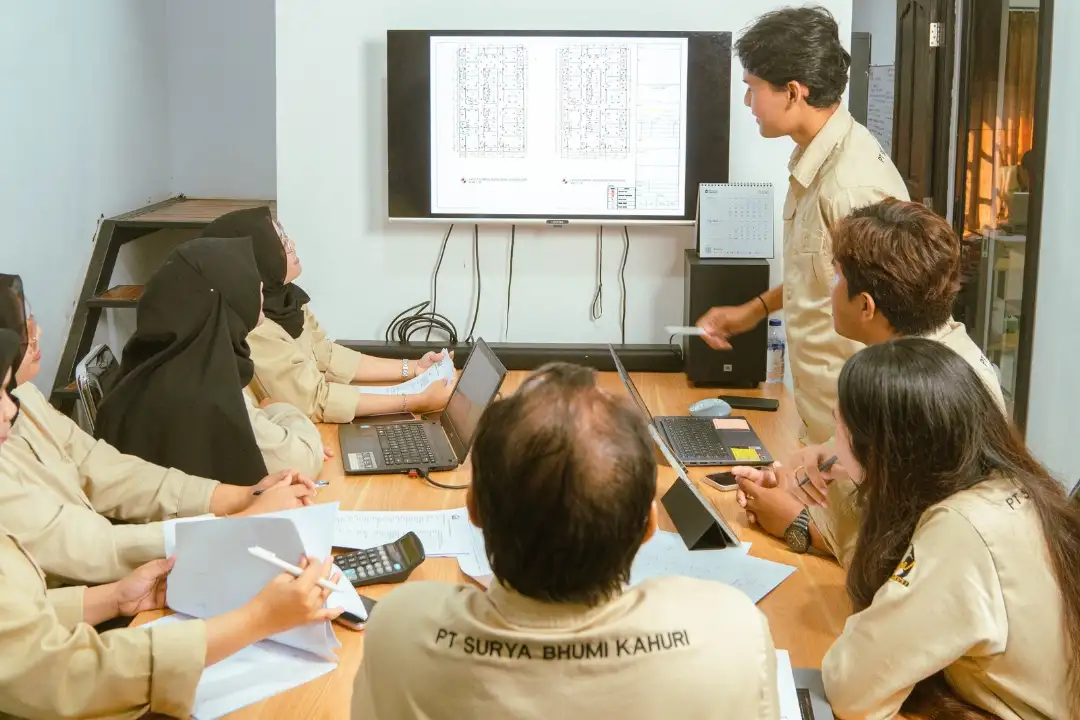
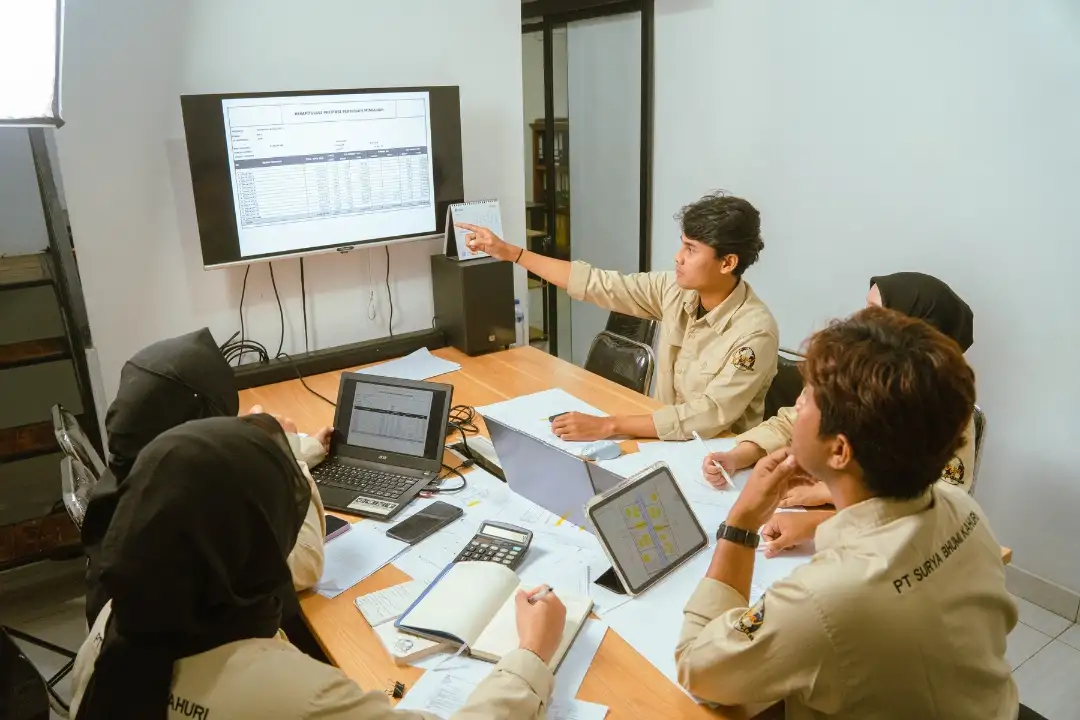
Integrated planning identifies and resolves conflicts during design. Systems are coordinated digitally and physically before installation begins. This proactive approach eliminates costly corrections later.
Supporting Sustainable Building Goals
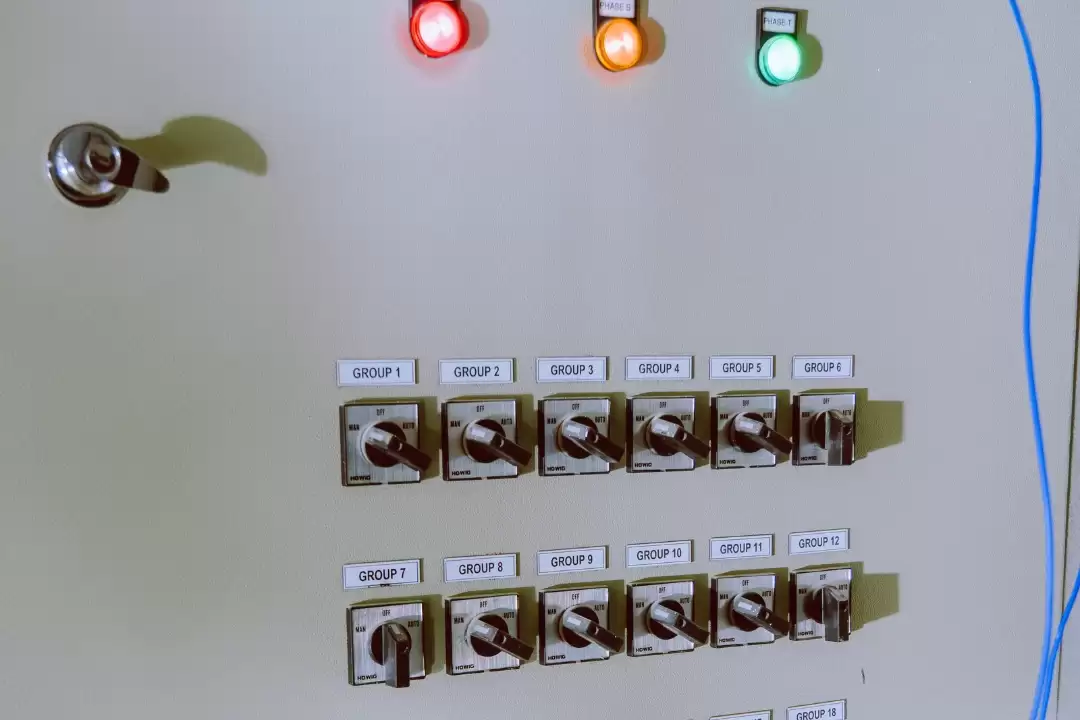
Sustainability is increasingly tied to financial performance. Energy efficient buildings attract tenants. Sustainable certifications improve asset value. Regulatory compliance reduces risk.
Integrated MEP systems are essential for achieving sustainability goals. They enable efficient energy use, water conservation, and smart controls. They also support future upgrades such as renewable energy integration and advanced monitoring.
Over time, these capabilities contribute to lower operational costs and higher building value.
Why Integrated Planning Requires the Right Partner
Achieving true MEP integration requires experience and coordination. It is not simply a design exercise. It involves understanding how systems behave in real buildings and how they affect long term operations.
A technical partner with integrated capabilities can manage this complexity. Instead of focusing on individual systems, the partner oversees the entire building ecosystem. Decisions are made with long term performance in mind.
This approach shifts the focus from short term savings to long term value.
Long Term Savings Start at the Planning Table
Many building costs are locked in long before construction begins. Decisions made during planning determine how efficiently a building will operate for decades.
Integrated MEP systems reduce long term building costs by improving energy efficiency, extending equipment lifespan, reducing maintenance, and minimizing operational risk. These benefits accumulate year after year.
For owners planning new buildings or major renovations, early investment in integrated MEP planning is one of the most effective ways to protect financial performance over the building’s lifetime.
A building that works efficiently from day one will continue to deliver value long after construction is complete.