Maintenance Tips for Building Systems: Why Preventive MEP Maintenance Saves You Money
Every modern building depends on three core systems — mechanical, electrical, and plumbing. Together, they ensure safety, comfort, and functionality for everyone inside. Yet, these systems often go unnoticed until a breakdown happens. When a pump fails or an air conditioner stops working, operations can come to a complete halt. The solution is simple — preventive maintenance.
Preventive MEP maintenance is the routine inspection and servicing of building systems before problems occur. It is a proactive approach that keeps systems running efficiently and avoids expensive repairs later. In Bali, where climate, humidity, and high building usage can affect equipment performance, regular maintenance is even more important. This article explains why preventive maintenance saves you money and offers practical tips to protect your investment.
1. The True Cost of Neglecting Maintenance
Many building owners postpone maintenance to save costs. However, ignoring small issues leads to major damage. A single electrical short, plumbing leak, or malfunctioning HVAC unit can cause business interruption and structural damage.
For example, clogged filters in air conditioning systems increase energy consumption. Dirty or blocked plumbing can damage walls and floors. Faulty wiring can trigger fires or power failures. These problems cost far more to repair than routine inspection and cleaning.
The financial impact is not only about repair costs. Downtime also reduces productivity and affects the comfort of tenants, guests, or staff. In hospitality or healthcare facilities, even a short disruption can affect reputation and revenue.
Preventive maintenance ensures problems are detected early. Fixing small issues quickly avoids emergency repairs that are always more expensive.
2. What Preventive MEP Maintenance Means
Preventive maintenance involves scheduled checks and servicing of building systems. The goal is to maintain peak performance and extend the system’s life.
Electrical Systems
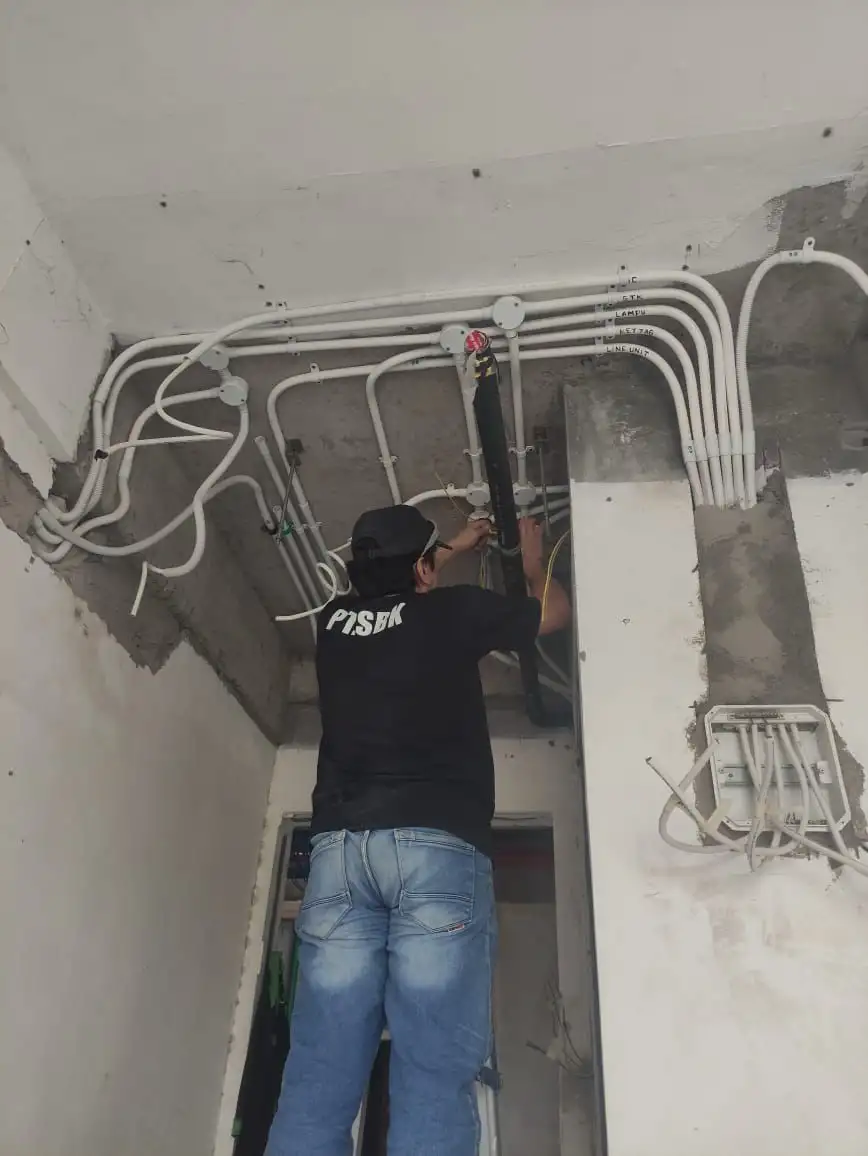
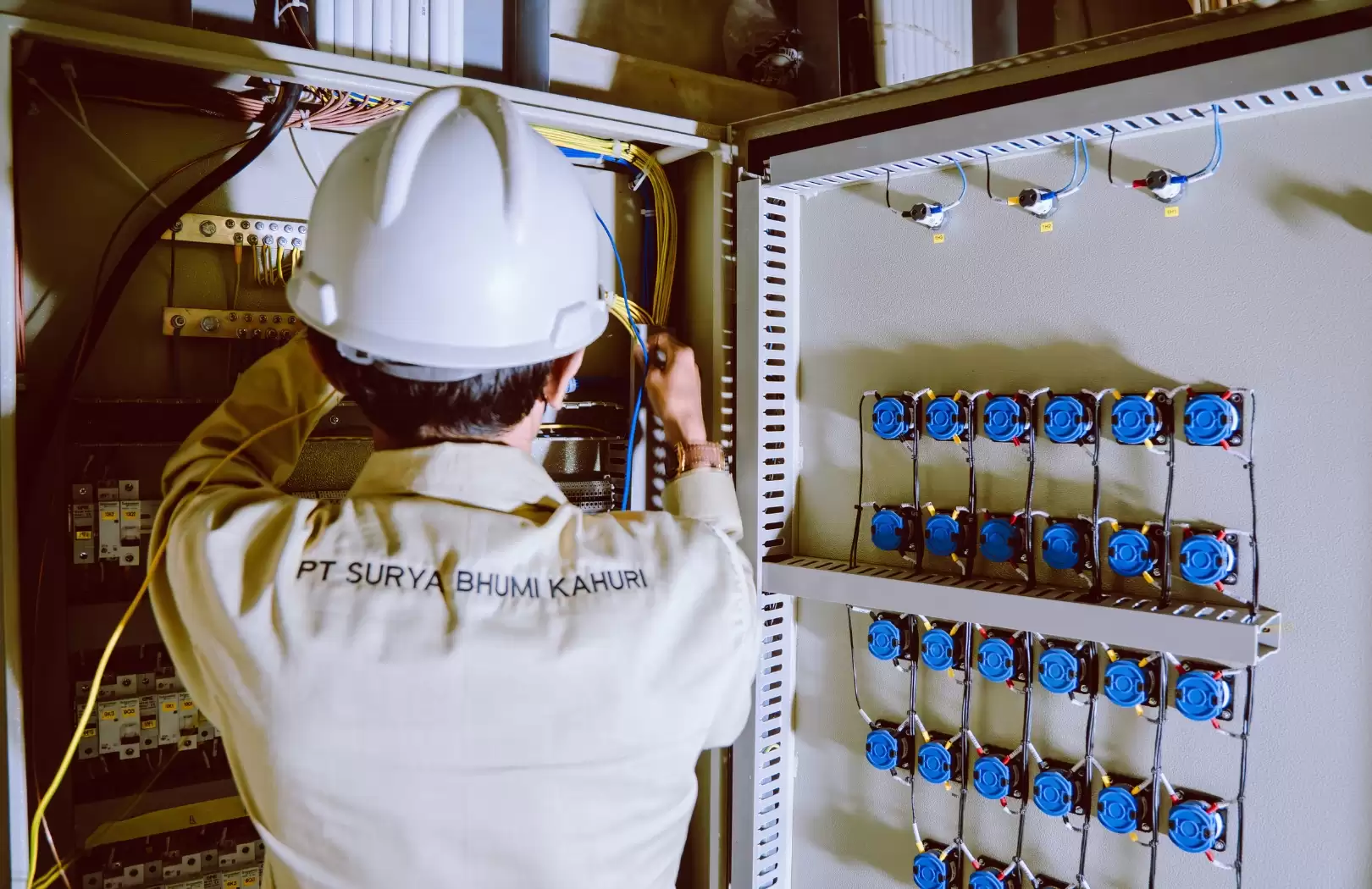
This includes inspection of cables, panels, sockets, lighting, and grounding. The technician checks for heat buildup, loose connections, and overloads. Regular cleaning of panels and testing of safety devices reduce risks of fire or power failure.
Plumbing Systems
Regular inspection of water supply and drainage prevents leaks and clogs. Maintenance includes checking water pumps, valves, tanks, and pipe joints. Technicians also test pressure levels to ensure balanced flow across the building.
HVAC Systems
HVAC maintenance includes cleaning air filters, inspecting ducts, and checking refrigerant levels. Servicing fan motors, compressors, and control systems ensures stable air circulation and temperature.
Preventive maintenance also includes calibration of sensors, testing emergency systems, and documenting performance. When all systems are inspected routinely, the building runs smoothly, and occupants stay safe and comfortable.
3. How Preventive Maintenance Saves You Money
Lower Repair Costs
Regular servicing catches problems early. A small leak repaired today prevents expensive pipe replacement later. Electrical components last longer when dust and heat are controlled.
Energy Efficiency
Clean and well-tuned systems consume less energy. A properly maintained air conditioner can reduce electricity use by 15 to 25 percent. Efficient plumbing reduces water waste. Well-balanced electrical loads prevent energy loss and overheating.
Longer Equipment Lifespan
Every mechanical and electrical component has a limited lifespan. Regular maintenance extends it significantly. Instead of replacing parts every few years, they last longer and work efficiently.
Reduced Downtime
Planned maintenance minimizes disruption. Technicians schedule work during off-hours, avoiding sudden shutdowns. This helps businesses maintain consistent operations without unexpected interruptions.
Better Budget Planning
With preventive maintenance, costs are predictable. You can plan annual budgets for inspections and servicing. This avoids large, unexpected repair bills that can strain finances.
Preventive maintenance is not an expense — it is an investment that returns value in the form of energy savings, safety, and reliability.
4. Key Maintenance Tips for Each System
Electrical Maintenance Tips
- Inspect main panels and distribution boards regularly.
- Tighten all terminal connections and clean dust from panels.
- Test circuit breakers, relays, and fuses for proper operation.
- Measure voltage balance and check for unusual heat using infrared tools.
- Replace damaged cables or insulation immediately.
Plumbing Maintenance Tips
- Inspect visible pipes and joints for moisture or corrosion.
- Clean and flush water tanks regularly.
- Test pressure valves and pumps to maintain flow consistency.
- Prevent blockages by cleaning drainage lines.
- Check water meters for leaks or inaccurate readings.
HVAC Maintenance Tips
- Clean or replace air filters monthly.
- Inspect ducts for dust buildup or leaks.
- Clean condenser and evaporator coils for better heat exchange.
- Check refrigerant levels and airflow balance.
- Calibrate thermostats and ensure sensors are working properly.
Routine maintenance tasks like these can be scheduled monthly, quarterly, or annually depending on system complexity and usage. The key is consistency. A well-maintained building performs better and consumes fewer resources.
5. The Role of Professional MEP Contractors
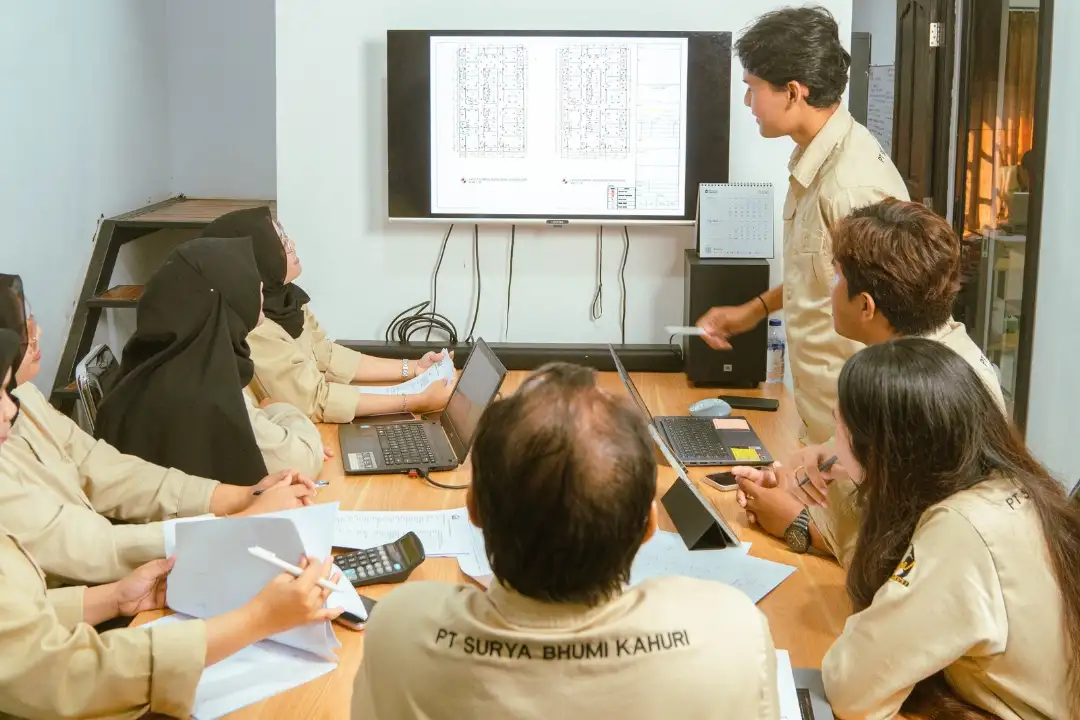
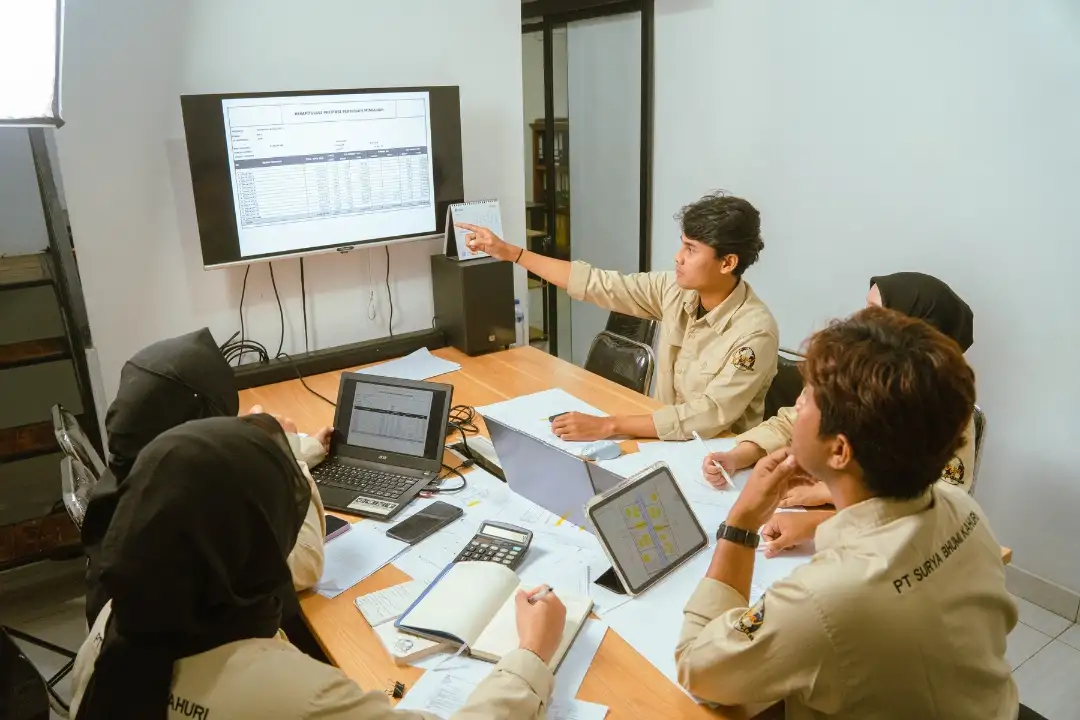
While minor checks can be handled internally, complex maintenance should always be done by professionals. MEP contractors have the technical expertise, equipment, and certifications to perform accurate inspections and testing.
A trusted MEP company like PT. Surya Bhumi Kahuri in Bali provides preventive maintenance programs tailored to each client. These programs include inspection schedules, performance reports, and quick-response service teams. Having professionals handle your systems ensures compliance with safety standards such as SNI, PLN, and NFPA.
Professional contractors also use advanced tools like digital monitoring, thermal imaging, and performance testing equipment. These tools detect hidden issues before they cause visible damage. The combination of experience, technology, and structured management makes preventive maintenance more effective.
6. Setting Up a Maintenance Plan
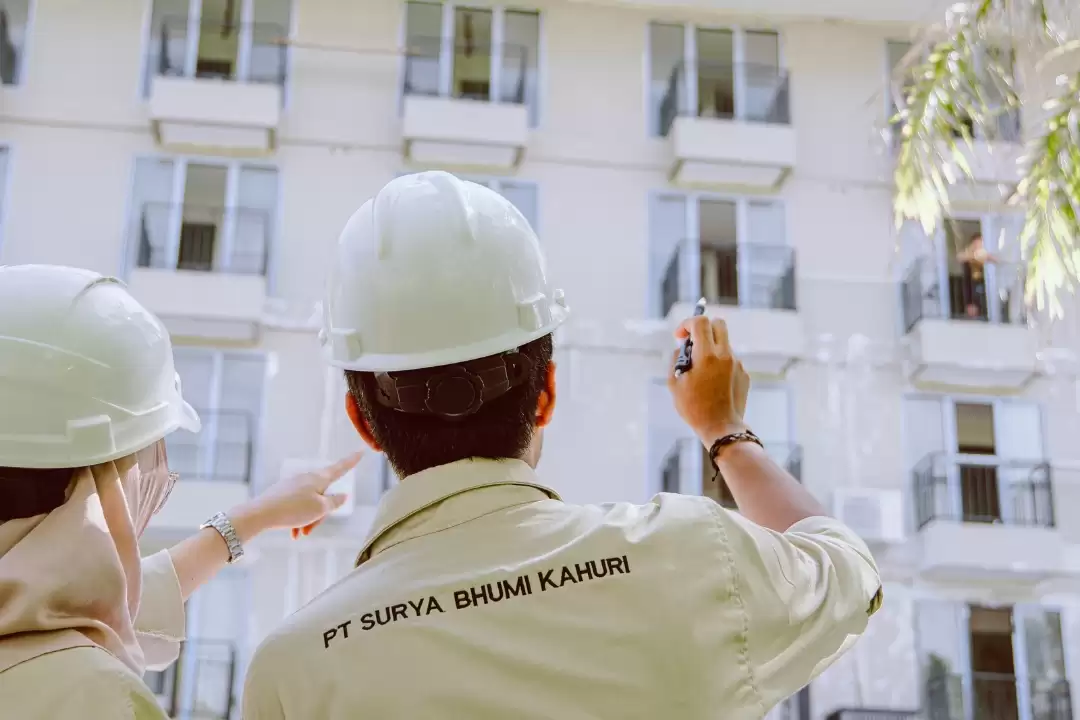
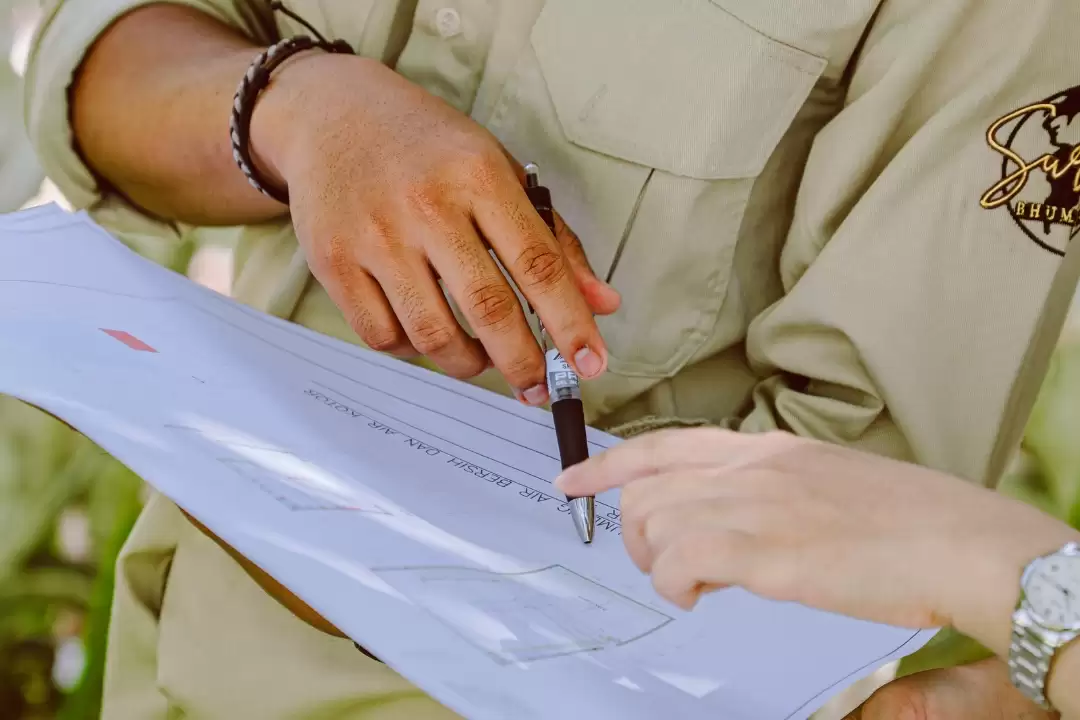
A good maintenance plan begins with assessment. Contractors evaluate the condition of existing systems and create a service schedule based on usage and environment. For example, coastal areas in Bali may need more frequent HVAC maintenance due to salt and humidity.
Steps to Create a Maintenance Plan
- Inspection and Inventory
List all electrical, plumbing, and HVAC equipment in the building. - Prioritize Critical Systems
Identify which systems are vital for daily operations such as power and water supply. - Create a Schedule
Divide maintenance tasks into daily, monthly, and annual categories. - Assign Responsibilities
Define which tasks are handled internally and which require contractor support. - Keep Maintenance Records
Document all inspections, repairs, and parts replaced. These records help track performance trends.
A structured plan ensures accountability and prevents missed tasks. Consistency is the foundation of effective preventive maintenance.
7. Signs That Your Building Needs Immediate Maintenance
Even with a schedule, some warning signs need quick action. Ignoring them can lead to costly breakdowns.
- Flickering lights or frequent tripped breakers
- Unusual noise or vibration from air conditioning units
- Sudden drops in water pressure
- Damp walls, ceilings, or musty odors
- Uneven cooling or heating in rooms
These signs indicate underlying problems. Contact your MEP contractor immediately when they appear. Fast response prevents further damage.
8. Preventive Maintenance and Sustainability
In modern construction, sustainability is a top priority. Preventive maintenance supports this goal. Efficient systems consume less energy and water. Regularly serviced HVAC units improve indoor air quality, reducing health risks.
A sustainable maintenance approach also reduces waste. Instead of replacing entire systems, maintaining and repairing components minimizes material consumption. This approach supports both environmental and financial responsibility.
Bali’s growing emphasis on green buildings makes preventive maintenance even more relevant. Property owners who maintain systems properly not only save money but also contribute to long-term environmental goals.
9. Why Choose a Preventive Maintenance Partner
Managing building systems can be complex. Partnering with a professional contractor simplifies the process. A preventive maintenance partner monitors your systems, performs regular servicing, and provides reports that help you make decisions.
Benefits of Partnering with Experts
- Scheduled service reminders and reports
- Access to skilled technicians for immediate support
- Compliance with building codes and safety regulations
- Cost control through planned maintenance packages
- Improved system reliability and lifespan
Companies like PT. Surya Bhumi Kahuri offer full maintenance programs designed for commercial and government facilities. Their team ensures each system operates efficiently, reducing downtime and unexpected costs.
Conclusion
Preventive MEP maintenance is not just about fixing things before they break. It is about keeping your building safe, efficient, and cost-effective. Regular inspection of electrical, plumbing, and HVAC systems saves money by preventing damage, reducing energy use, and extending equipment life.
Every building, whether an office, hospital, or hotel, needs consistent care. In Bali’s humid environment, maintenance is essential for long-term performance. Partnering with a professional contractor like PT. Surya Bhumi Kahuri ensures every system is monitored, serviced, and maintained according to the highest standards.
Investing in preventive maintenance today means saving time, money, and energy tomorrow. A well-maintained building is not only reliable but also a reflection of your commitment to quality, safety, and sustainability.