Understanding Electrical, Plumbing & HVAC Integration in Modern Commercial Buildings
Modern commercial buildings rely on systems that work seamlessly together. Electrical, plumbing, and HVAC systems are the heart of every structure. They provide energy, water, air circulation, and overall comfort. When these systems are designed and installed in isolation, problems like energy waste, leaks, or poor air quality can occur. Integration between the three is essential for safety, performance, and long-term efficiency.
In Bali and across Indonesia, the demand for modern, sustainable buildings continues to rise. Developers, architects, and contractors now focus on how MEP integration can improve both function and sustainability. This article explains how electrical, plumbing, and HVAC systems work together and why integration is critical in every commercial project.
1. The Role of Each System
Each system serves a specific purpose, but all are interconnected. Understanding their roles helps clarify why coordination is important during design and construction.
Electrical System
The electrical system powers every device, light, and machine in the building. It supports HVAC equipment, water pumps, elevators, and emergency systems. A stable and efficient electrical layout ensures consistent power supply and safety for users.
Plumbing System
Plumbing handles the movement of water, both clean and waste. It includes piping for water distribution, drainage, and sometimes fire protection systems. In large buildings, plumbing must work closely with mechanical systems to regulate pressure and flow.
HVAC System
HVAC stands for Heating, Ventilation, and Air Conditioning. It controls air quality, temperature, and humidity inside the building. The system ensures comfort and health while also influencing energy consumption.
Although each system can be designed separately, in a commercial environment they depend on one another. For example, HVAC systems need electrical power and drain lines. Plumbing systems often depend on electrical pumps. This interdependence is why integrated design is essential.
2. The Importance of Integration
Integration means designing and coordinating systems so they work as one complete unit. It prevents overlap, saves space, and improves building performance. Here are several key benefits of integration.
Energy Efficiency
When systems are designed together, they use less energy. For example, HVAC sensors can connect to electrical systems to control lighting and air conditioning based on occupancy. This reduces waste and improves comfort automatically.
Safety and Compliance
Integrated systems follow national and international safety standards. Electrical and mechanical systems must be separated correctly to avoid hazards. A coordinated design ensures all safety zones and emergency systems function properly.
Maintenance and Accessibility
Integrated layouts make maintenance easier. Pipes, cables, and ducts can be arranged in shared shafts or service corridors. This allows technicians to inspect and repair systems without damaging other components.
Aesthetic and Space Efficiency
In commercial buildings, space is valuable. Integration allows planners to hide mechanical and electrical elements neatly within ceilings or walls. This creates clean interiors while maintaining accessibility.
Long-Term Savings
Although integrated design requires detailed planning, it reduces long-term costs. Maintenance is simpler, energy use is lower, and system life is extended. This is especially valuable for commercial buildings that operate daily such as offices, malls, and hospitals.
3. The Process of Integration
Successful integration begins early in the design phase. Coordination between engineers, architects, and contractors ensures every system aligns. The following steps describe the process.
1. Concept and Design Coordination
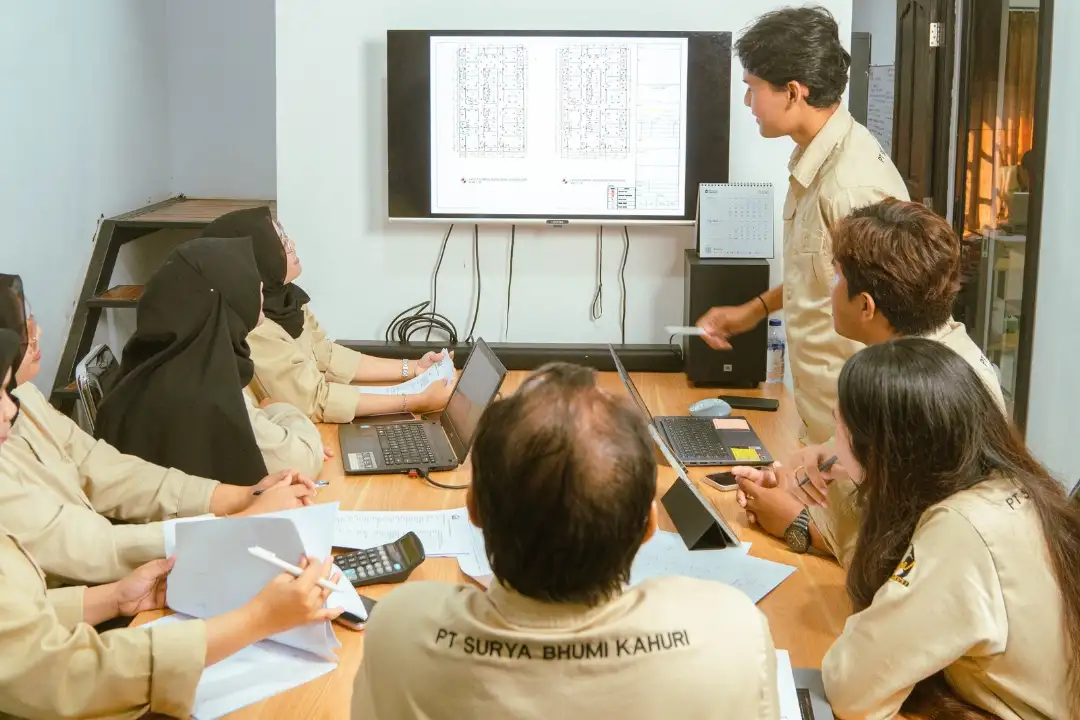
Architects create the building layout while MEP engineers plan the technical systems. Both teams must communicate closely. The design must consider how ducts, cables, and pipes fit within the structure without conflict.
2. Load and Capacity Calculation
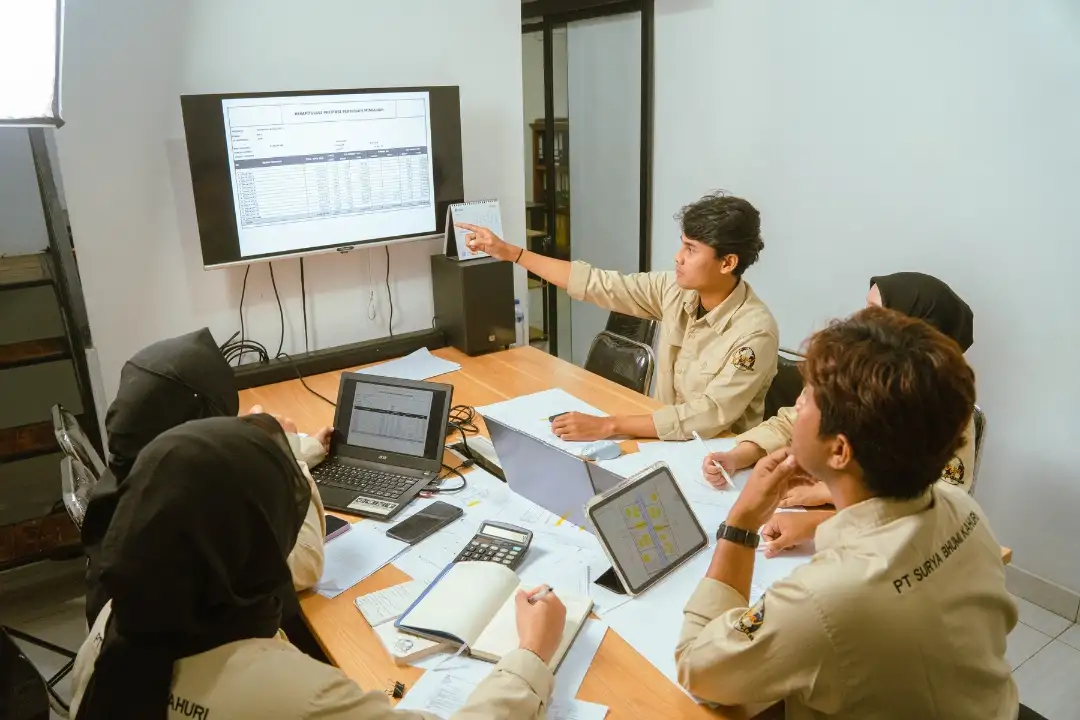
Electrical engineers calculate power loads. Mechanical engineers calculate airflow and temperature control. Plumbing engineers calculate water supply and drainage. These values influence each other. For example, air conditioning units need specific power and drainage capacity.
3. Drawing and Modeling
Modern projects often use BIM (Building Information Modeling). BIM allows teams to visualize the entire building in 3D. It shows where systems overlap and helps prevent mistakes before construction begins.
4. Installation Phase
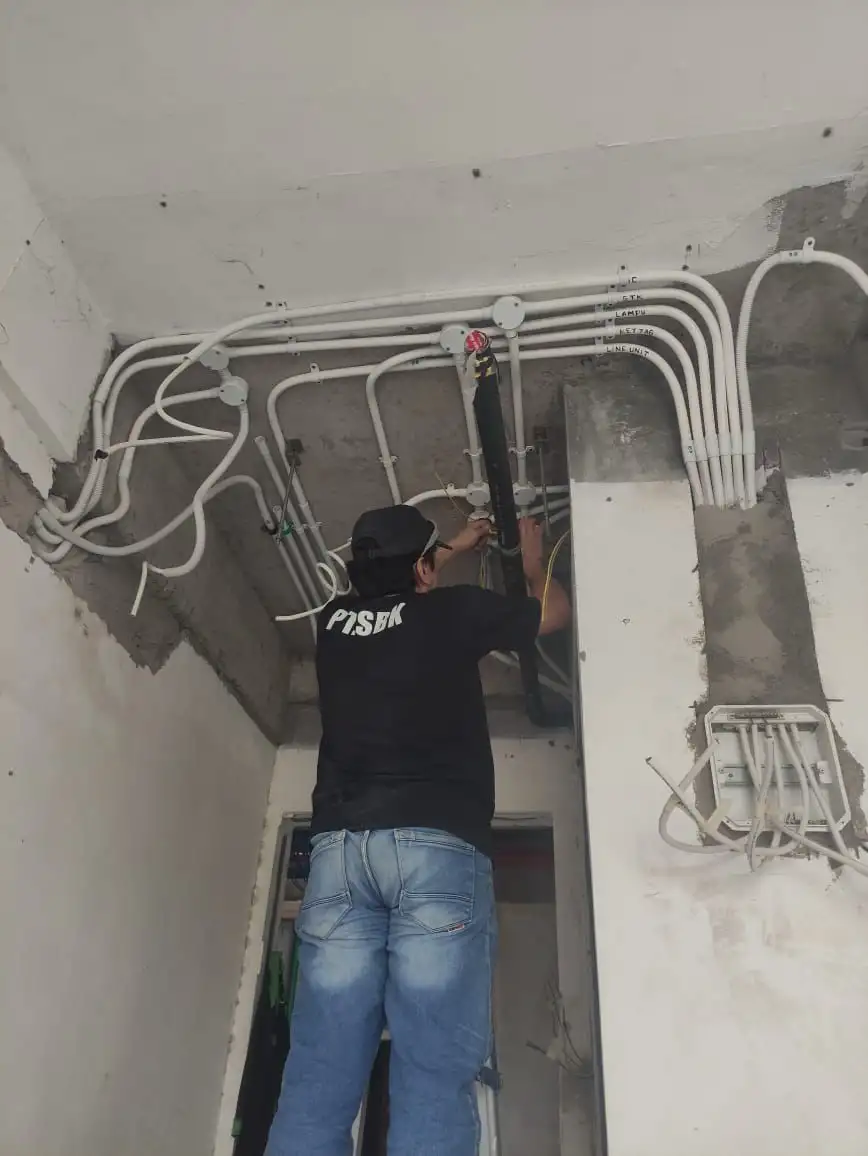
Once plans are approved, the construction team installs systems following detailed drawings. Coordination between electrical, plumbing, and HVAC teams is vital. Incorrect sequencing can delay work or cause reinstallation.
5. Testing and Commissioning
Before a project is completed, all systems are tested together. This step ensures power, water, and air systems work correctly and efficiently. Proper testing also confirms that automation and safety systems respond as planned.
4. Real Integration Examples in Commercial Projects
In modern buildings, integration can be seen in practical ways that enhance performance.
Energy Management Systems
Electrical and HVAC systems can connect through smart controllers. When sensors detect no occupants, the system reduces lighting and cooling. This lowers energy use without manual control.
Water and Air Connection
Plumbing and HVAC often share condensate drainage systems. Instead of separate drain lines, integrated piping channels condensation safely. This avoids leaks and improves efficiency.
Fire Safety Integration
Fire fighting systems rely on electrical controls and plumbing networks. Electrical alarms trigger water pumps and sprinklers. Integration ensures quick response and coordinated safety.
Hospital Applications
In healthcare facilities like hospitals, integration is even more critical. Air filtration, electrical backup, and water sterilization must work continuously. SBK and similar contractors in Bali have implemented MEP integration in hospitals to maintain safe and controlled environments.
Hotels and Resorts
In Bali’s hospitality industry, comfort and aesthetics are essential. Integrated MEP systems allow hotels to maintain perfect air quality and water temperature without visible equipment. Guests enjoy a pleasant stay, while operators manage systems through automated controls.
5. The Role of a Professional MEP Contractor
Integration requires technical expertise, detailed planning, and teamwork. A professional MEP contractor plays a central role in making it happen. They understand how each system interacts and coordinate between disciplines.
Design and Consultation
A trusted contractor helps plan the entire MEP layout from the beginning. They provide input on load calculations, system selection, and installation methods.
Quality Installation
Skilled technicians ensure each part is installed accurately. Poor workmanship in one area can cause failures across systems. A professional team guarantees precision and safety.
Testing and Maintenance
Professional contractors provide commissioning and maintenance services after installation. This ensures all systems continue to work together efficiently.
Legal and Safety Compliance
Certified contractors follow SNI, PLN, and international standards like NFPA. This ensures all installations meet legal requirements and protect building users.
6. Challenges in MEP Integration
Even with good planning, integration can be complex. Common challenges include space limitations, design changes, or coordination delays between teams. In Bali, where projects often combine modern technology with tropical architecture, MEP systems must adapt to different building materials and climate conditions.
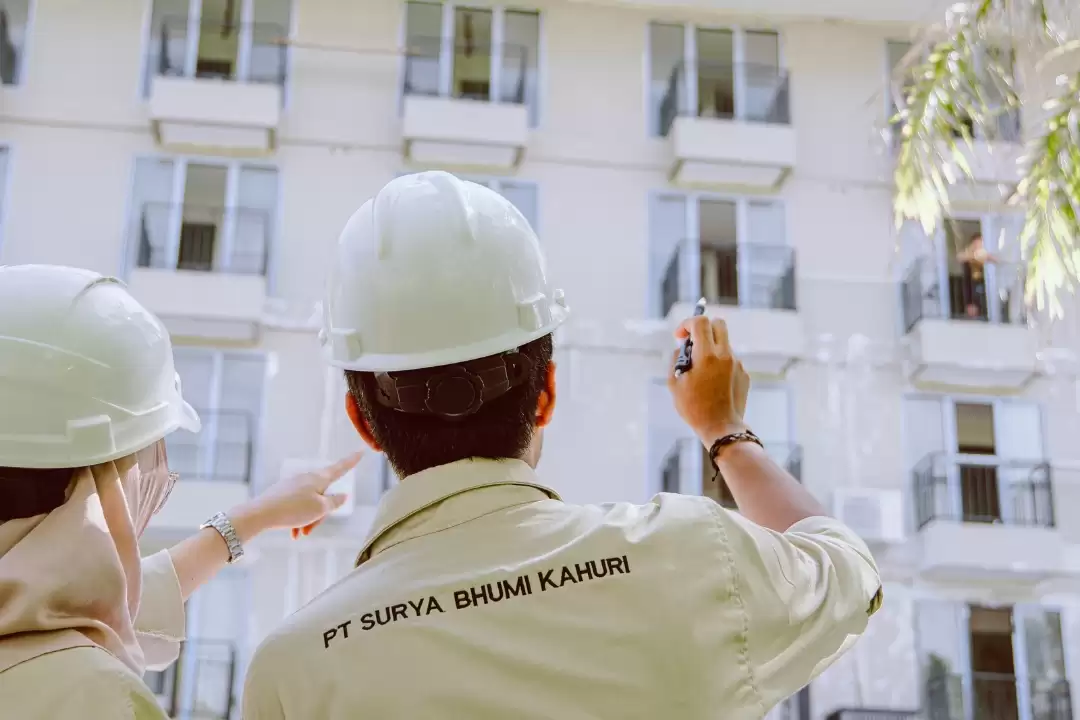
A reliable contractor anticipates these challenges. They conduct site inspections, update drawings, and maintain communication among all stakeholders. The ability to solve problems quickly is what separates professional contractors from the rest.
7. The Future of MEP Integration
Technology continues to transform how buildings operate. Integration now includes automation and smart systems that optimize performance in real time.
Building Automation Systems (BAS)
BAS connects electrical, plumbing, and HVAC systems into one control platform. Operators can monitor energy use, temperature, and water flow through digital dashboards.
Sustainable and Green Design
Energy-efficient systems are now standard in modern buildings. Solar panels, heat recovery units, and low-flow plumbing fixtures reduce energy and water consumption. Integration ensures these systems work harmoniously.
Data and IoT Connectivity
Internet of Things (IoT) devices enable continuous monitoring. Sensors send data about usage, performance, and maintenance needs. This predictive approach prevents breakdowns and reduces operational costs.
These innovations show that integration is not just about combining systems but also about improving intelligence and sustainability in modern infrastructure.
Conclusion
Electrical, plumbing, and HVAC systems are the foundation of any commercial building. Their integration determines how well the structure functions, how much energy it saves, and how comfortable it feels. Without integration, buildings face inefficiencies, higher costs, and safety risks.
In Bali, where construction is rapidly advancing, MEP integration has become a key factor in project success. Contractors like PT. Surya Bhumi Kahuri have mastered the balance between design, coordination, and execution. By combining technical expertise and precise project management, SBK ensures every system works as one efficient unit.
When you plan your next commercial project, make integration a priority. Choose an MEP contractor who understands the connection between power, water, and air. Proper integration not only enhances performance but also ensures your building remains safe, sustainable, and ready for the future.