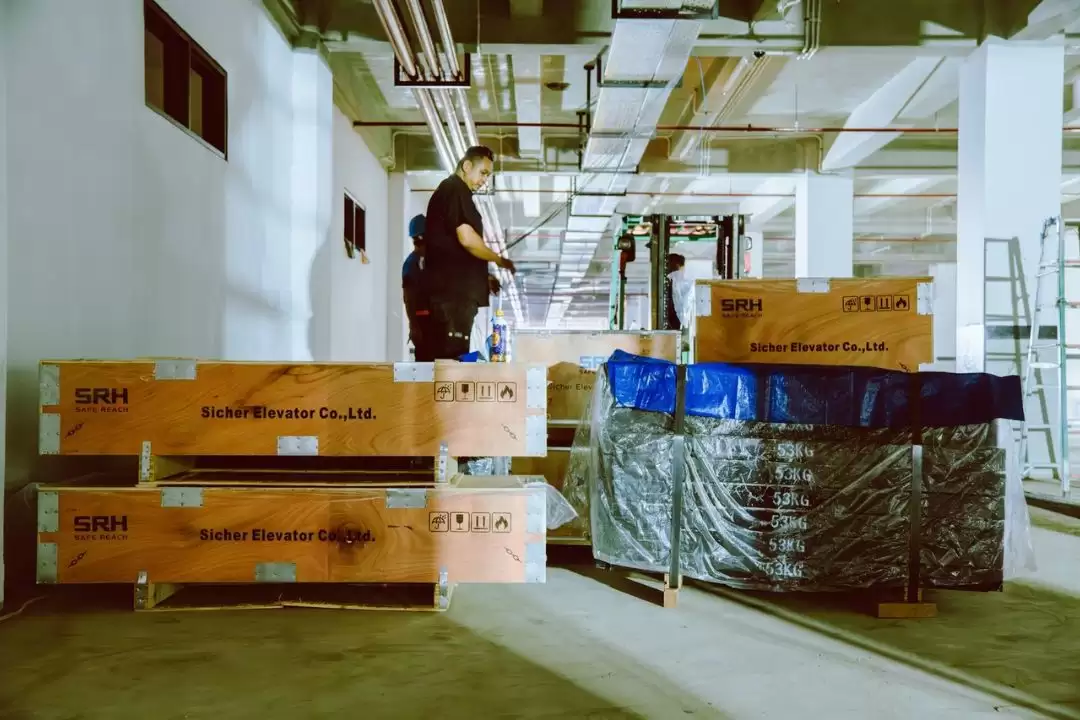
What Makes SBK Different from Standard Contractors
In the construction industry, many companies can build. Fewer can truly partner. The difference between a standard contractor and a building partner lies in mindset, responsibility, and long term impact. While standard contractors focus on completing assigned scopes, Surya Bhumi Kahuri or SBK approaches every project with a deeper commitment to performance, coordination, and sustainability.
This article explains what makes SBK different from standard contractors. It explores how SBK works, how decisions are made, and why clients continue to trust SBK for complex and high responsibility projects.
A Partner Mindset Instead of Task Based Execution
Standard contractors usually work based on instructions. They follow drawings, complete assigned tasks, and hand over the result. SBK operates differently. SBK works with a partner mindset.
As a building partner, SBK seeks to understand the purpose of the building. How it will be used. Who will operate it. What systems must perform reliably every day. This understanding influences technical decisions from the early stages.
Rather than asking only what needs to be built, SBK asks how the building should function long term. This mindset leads to better planning, fewer surprises, and outcomes that serve clients beyond project completion.
Integrated Thinking Across Disciplines
One major limitation of standard contractors is fragmented coordination. Electrical teams work separately from plumbing teams. Mechanical systems are installed without full alignment with architectural flow. These gaps often create conflicts on site.
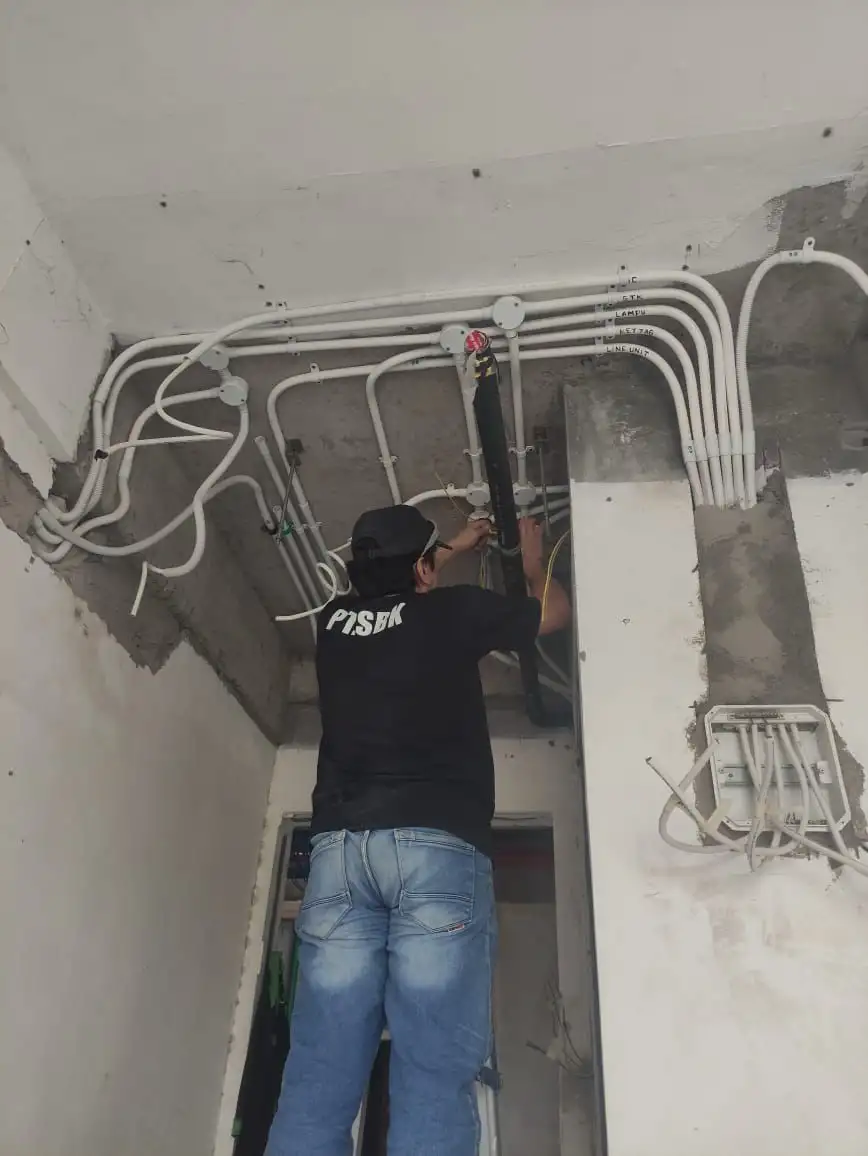
SBK applies integrated thinking across construction and MEP systems. Mechanical, electrical, plumbing, HVAC, fire protection, and vertical transportation systems are planned together. Each system is designed to support the others.
This integrated approach reduces clashes during installation. It improves efficiency and protects design intent. More importantly, it ensures that systems operate smoothly as one complete building.
Proactive Problem Solving on Site
Standard contractors often react to problems after they occur. Delays, design conflicts, or technical issues are addressed when they become unavoidable.
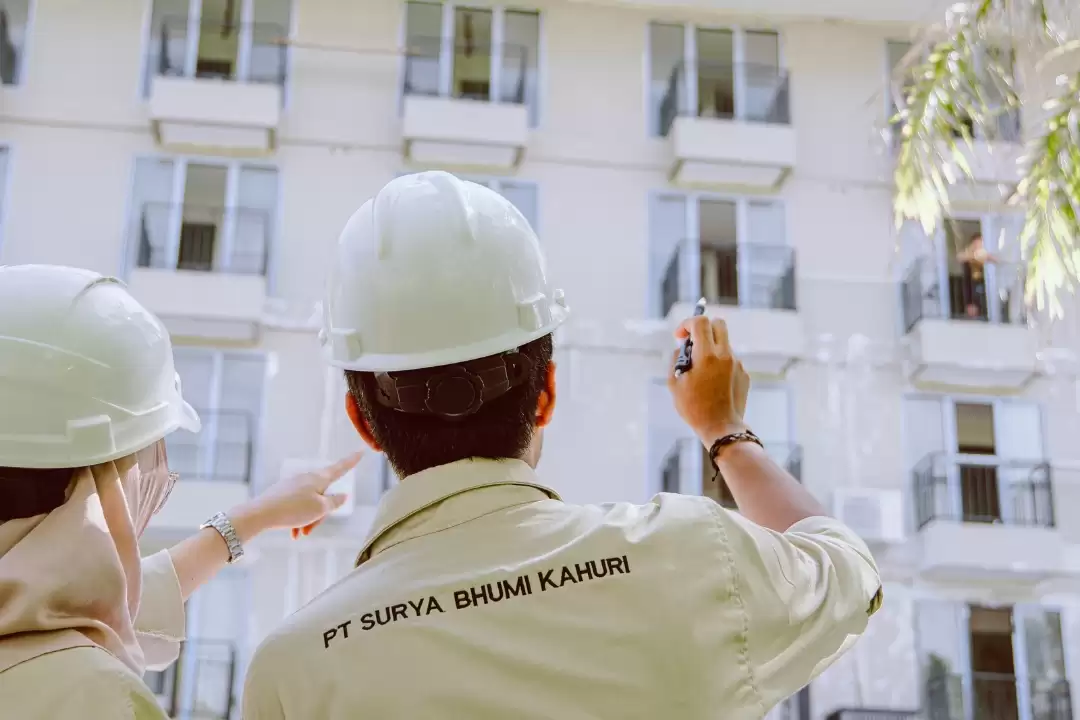
SBK prioritizes proactive problem solving. Site teams are trained to identify risks early. Engineers review drawings in relation to actual site conditions. Adjustments are discussed with stakeholders before work reaches critical stages.
This proactive approach minimizes rework and schedule disruption. It also builds confidence among clients and consultants because issues are managed before they escalate.
Strong Emphasis on Safety and Compliance
Safety is often treated as a checklist item by standard contractors. Compliance is achieved only to meet minimum requirements.
SBK treats safety and compliance as core values. Systems are designed to meet national standards and relevant international guidelines. Installations are executed with attention to detail and documented procedures.
Testing and commissioning are conducted thoroughly. Documentation is prepared to support inspections, audits, and future maintenance. This disciplined approach protects building users and reduces long term risk for clients.
Technical Depth and Specialized Capability
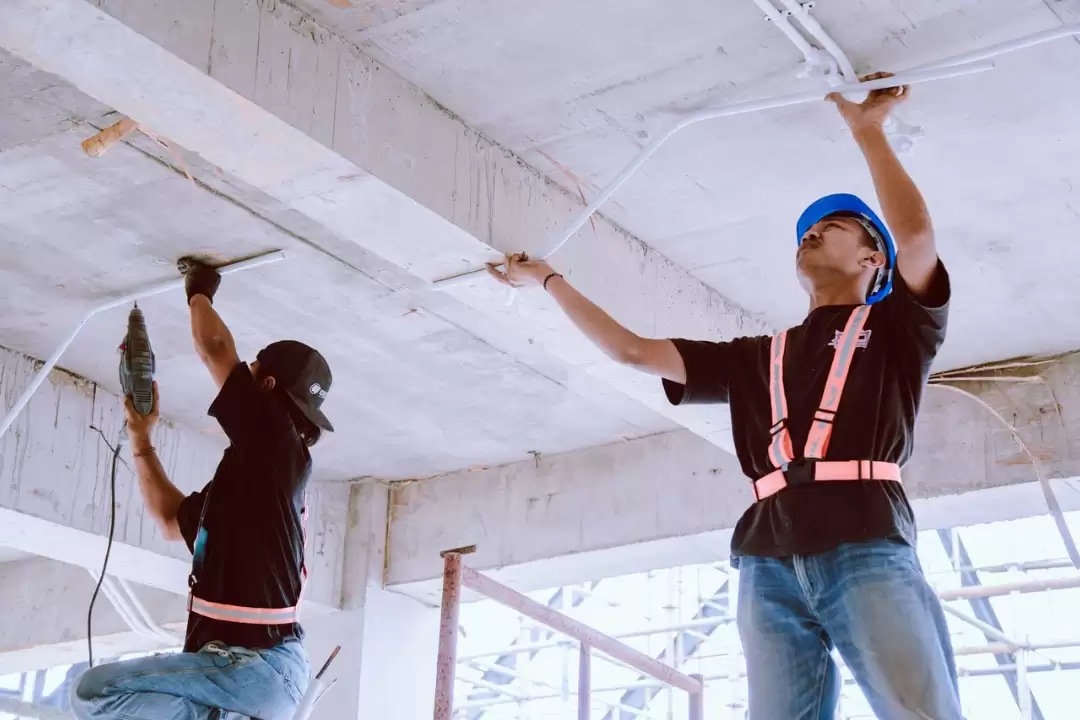
Not all contractors have the technical depth to handle complex systems. Many rely on subcontractors for critical work, which can reduce control over quality and coordination.
SBK maintains strong in house technical capability across multiple systems. These include electrical systems, HVAC, plumbing, fire fighting systems, elevators, escalators, and integrated building services.
This technical depth allows SBK to maintain quality control and system integration. It also enables the team to respond quickly when technical challenges arise on site.
Structured Project Management and Transparency
Standard contractors often provide limited visibility into project progress. Communication may be irregular or unclear, leading to uncertainty for clients.
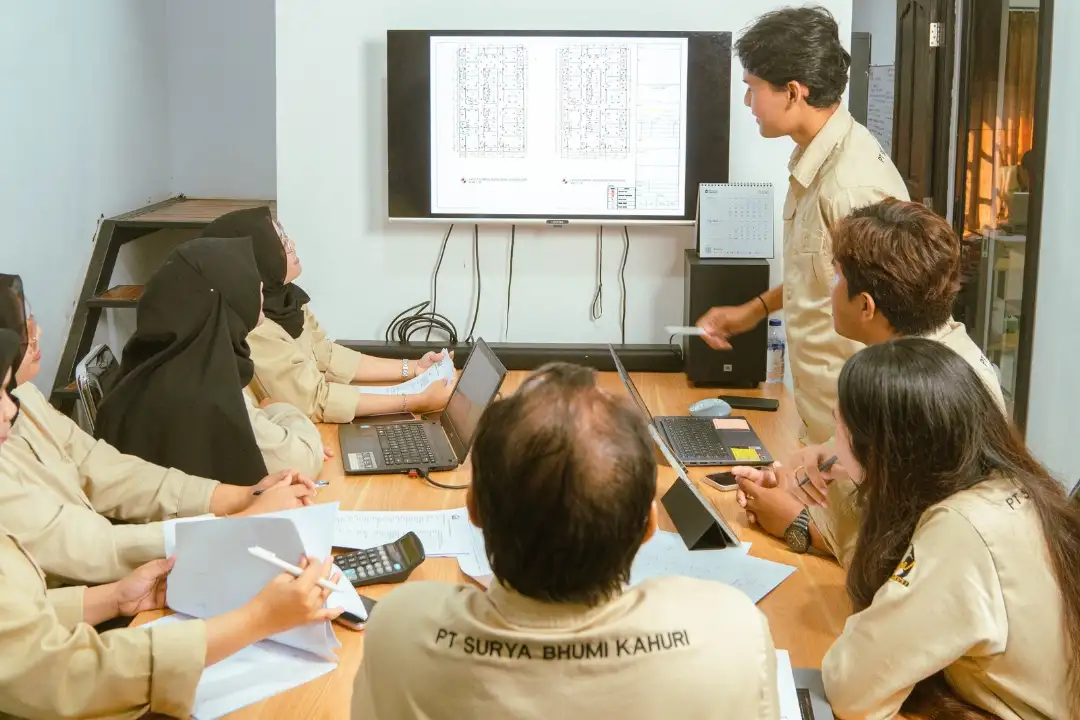
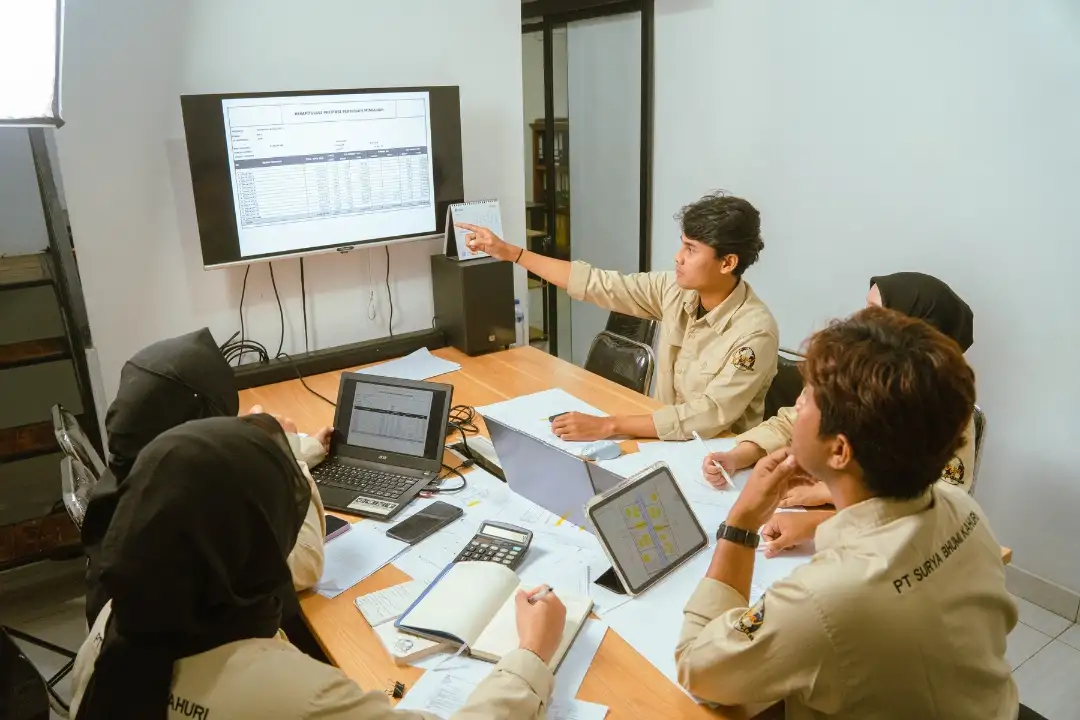
SBK applies structured project management practices. Schedules are defined. Progress is monitored. Coordination meetings are conducted regularly. Clients receive updates that explain not only what has been completed, but what comes next.
Transparency builds trust. Clients can make informed decisions and anticipate potential adjustments. This level of communication is essential in complex projects with multiple stakeholders.
Adaptability Without Compromising Standards
Every project has unique constraints. Budget limitations, site conditions, and timeline changes are common challenges.
Standard contractors may apply rigid solutions that do not fit real conditions. SBK adapts its approach while maintaining safety and performance standards.
Adaptability does not mean lowering quality. It means finding practical solutions that respect both technical requirements and client priorities. This balance is one of SBK’s key strengths.
Long Term Performance Focus
Many contractors focus only on handover. Once the project is completed, responsibility ends.
SBK considers what happens after handover. Systems are selected and installed with long term operation in mind. Layouts allow access for maintenance. Components are chosen based on durability and availability.
This long term focus reduces future operational costs and system failures. It also aligns with the needs of institutions and developers who manage buildings over decades.
Maintenance Awareness Built into Design
Maintenance is often treated as a separate phase by standard contractors. As a result, systems may be difficult to service.
SBK integrates maintenance awareness from the design stage. Engineers consider how systems will be inspected, repaired, and upgraded over time.
This approach improves system lifespan and reduces downtime. It also supports preventive maintenance programs that save costs and protect building performance.
Experience in High Responsibility Projects
Standard contractors may have limited exposure to high responsibility projects. These include hospitals, government buildings, and public facilities where failure is not an option.
SBK has extensive experience in such environments. This experience builds discipline and accountability. Teams understand the importance of reliability, documentation, and coordination.
Working on high responsibility projects also strengthens internal processes. These processes benefit all projects, regardless of size.
Ethical Work Culture and Accountability
Ethics and accountability define how a company operates under pressure. Standard contractors may prioritize speed or cost over responsibility.
SBK maintains a professional work culture that values accountability. Decisions are documented. Changes are communicated clearly. Responsibilities are defined.
This ethical approach builds long term relationships rather than short term transactions. Clients know they are working with a partner who stands behind their work.
Reputation Built Through Consistency
What truly differentiates SBK from standard contractors is consistency. Quality is not delivered once, but repeatedly across projects.
Consistency builds reputation. Clients return because results meet expectations. Recommendations come from performance, not promises.
SBK’s growing portfolio reflects this consistency. Projects continue to operate effectively because systems were planned, installed, and managed with care.
Why Clients Choose SBK Over Standard Contractors
Clients who choose SBK are often looking for more than construction services. They want confidence, clarity, and long term value.
SBK provides this through integrated thinking, technical depth, professional management, and responsible execution. The difference is visible not only during construction, but years after completion.